
It rarely feels like overspending.
$5 here, $12.99 there, a small “upgrade” that feels harmless in the moment. The real damage hides in routines so normal you stop questioning them.
Here are 30 invisible expenses draining your household budget right now. Some are habits. Some are automatic renewals. Some are engineered to look convenient or responsible. All of them add up. Once you spot them, it’s hard to ignore what they’re costing you.
30. The “Loyalty” Insurance Tax
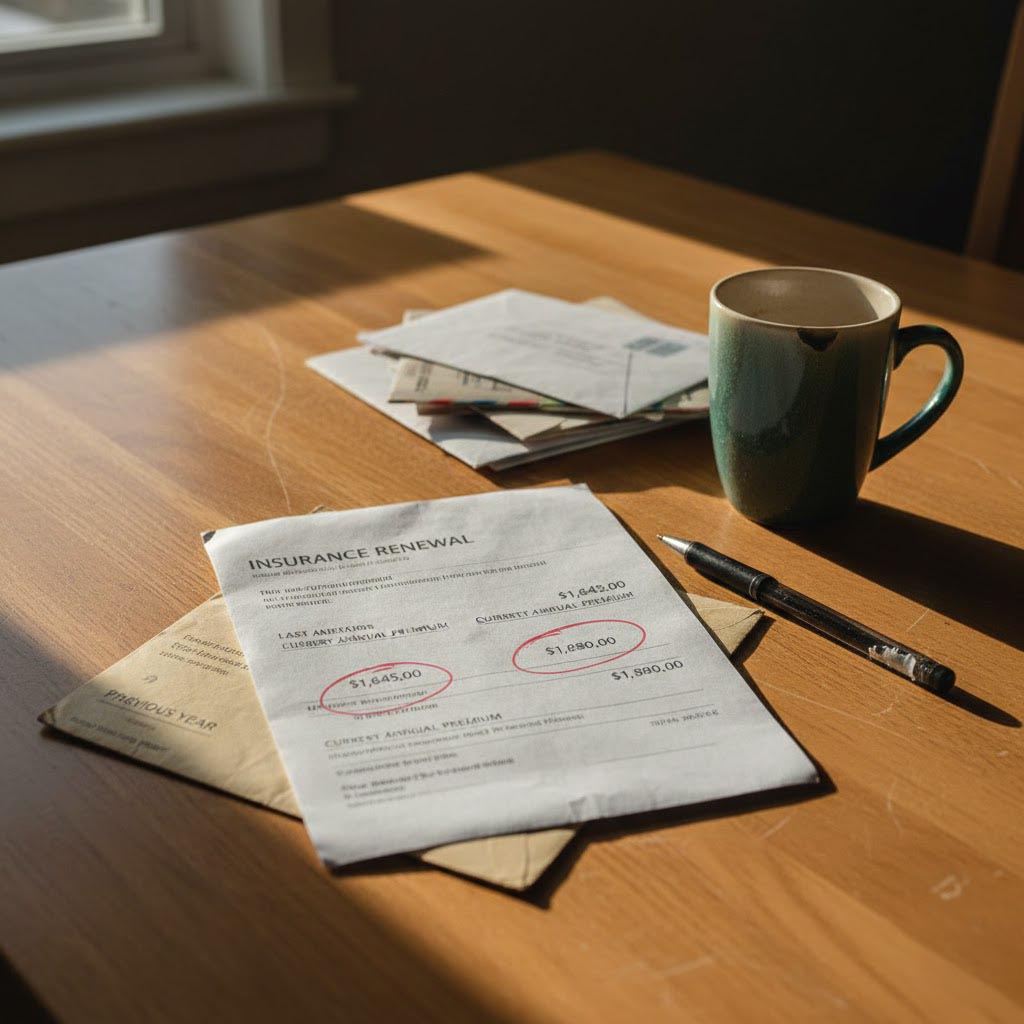
The renewal notice arrives with a slightly higher premium than the year before. There hasn’t been a claim or a change in coverage, but the price has crept up just enough to stay under the radar. It feels like a standard adjustment, but it’s actually a calculated move.
Insurance companies use “price optimization” algorithms to identify customers unlikely to shop around. They slowly hike rates on their most loyal base while offering deep discounts to new sign-ups. Your “loyalty” isn’t being rewarded; it’s being monetized to the tune of $500 or more per year.
29. The Property Tax Oversight
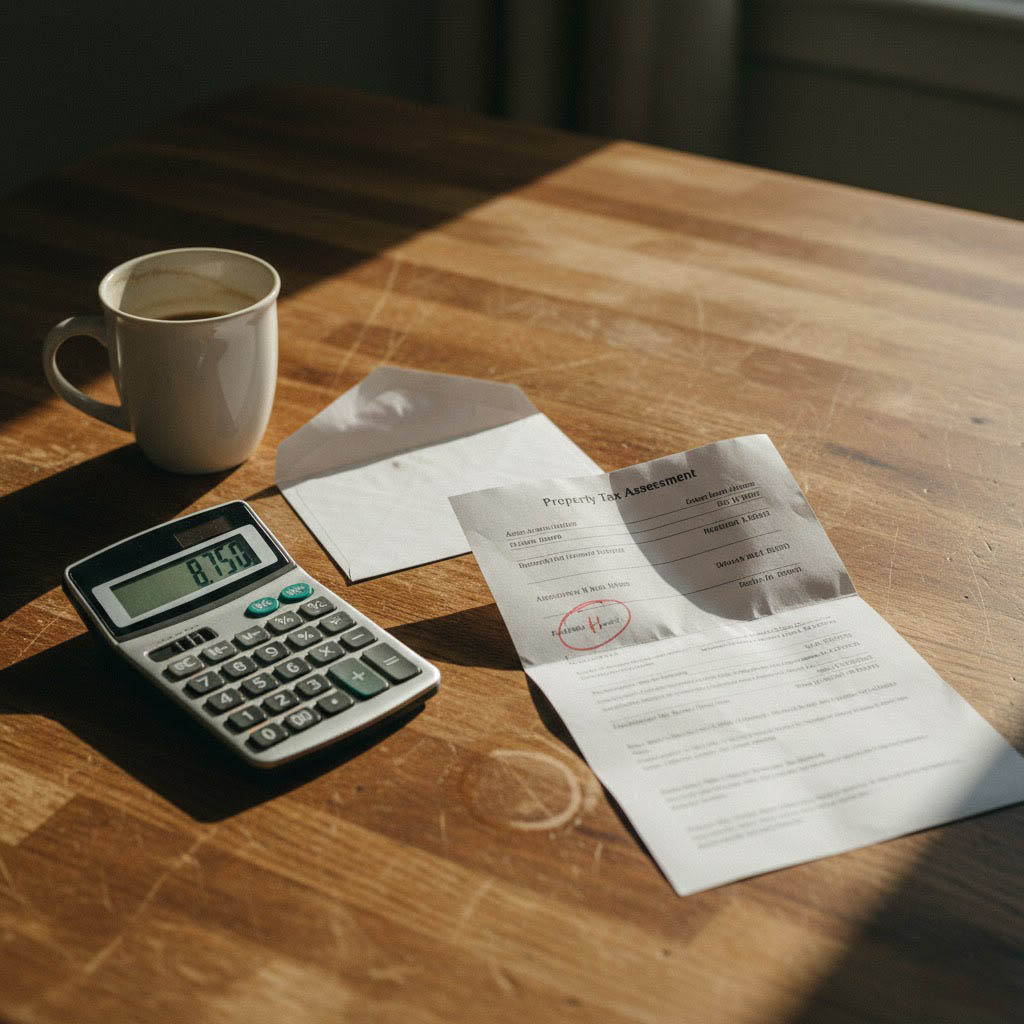
The annual property assessment is a single sheet of paper that most homeowners file away without a second thought. It dictates your tax bill based on an automated neighborhood valuation. It doesn’t know your roof is old or your basement has a leak; it just assumes your value went up.
Accepting this number as final is a voluntary overpayment. A simple appeal, backed by a few photos or local sales data, can force a recalibration. This is one of the few instances where twenty minutes of paperwork can wipe a four-figure sum off your annual housing cost.
28. The “Free” Bank Account Trap

Traditional savings accounts sit at a stagnant 0.01% interest rate—a figure so low it’s practically invisible. While your money is “safe,” its purchasing power is slowly being eaten by inflation while the bank lends that same capital out at much higher rates.
Keeping an emergency fund here is essentially providing a zero-interest loan to a multi-billion dollar institution. Moving that same balance to a high-yield account converts a “dead” asset into an active one, earning several hundred dollars in interest every year for doing absolutely nothing.
27. The HVAC Filter Neglect
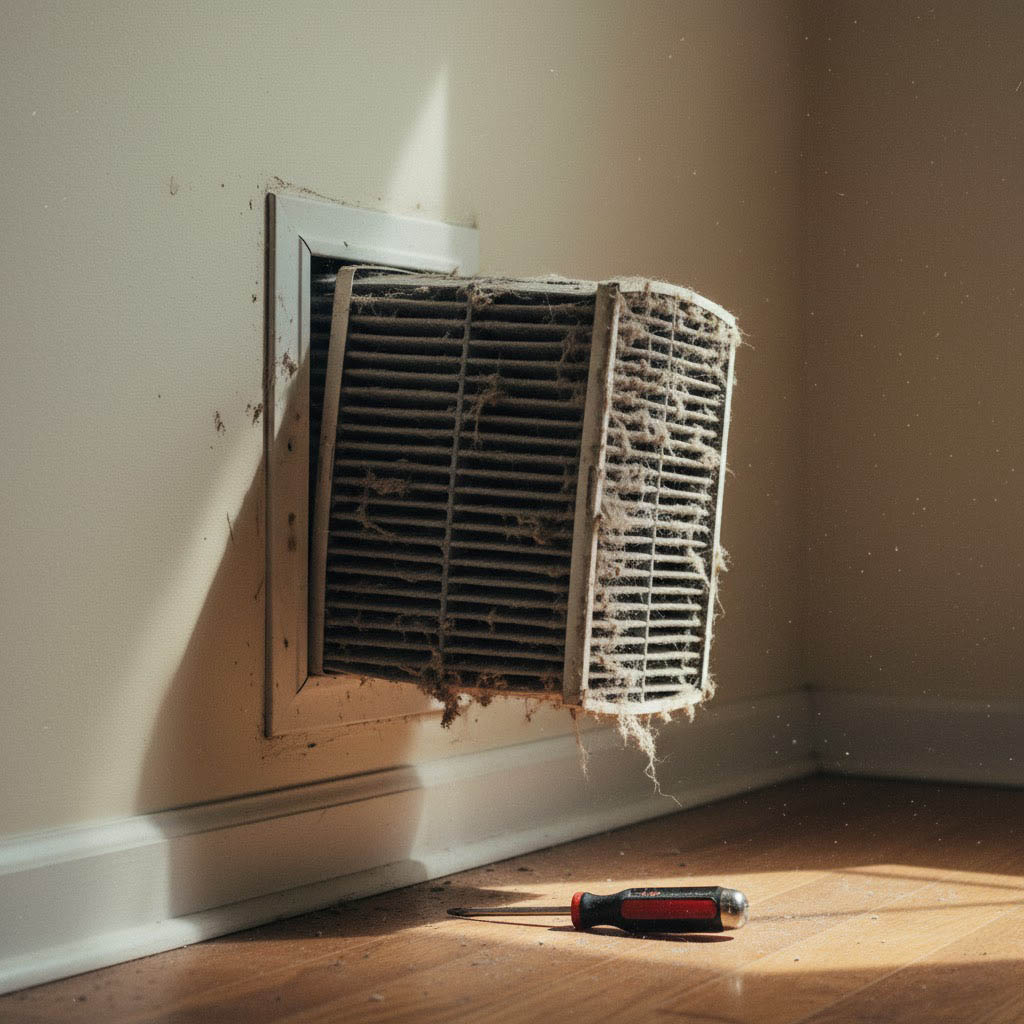
A cardboard-framed filter sits inside the return vent, slowly turning from white to a heavy, matted gray. As dust and pet hair accumulate, the motor begins to hum with a strained, higher pitch. It is fighting to move air through a wall of debris.
This physical resistance translates directly to the utility bill as the system runs longer, inefficient cycles. Beyond the monthly cost, that $15 piece of paper is the only thing protecting a $5,000 compressor from burning itself out under the constant pressure.
26. The “Best Before” Panic
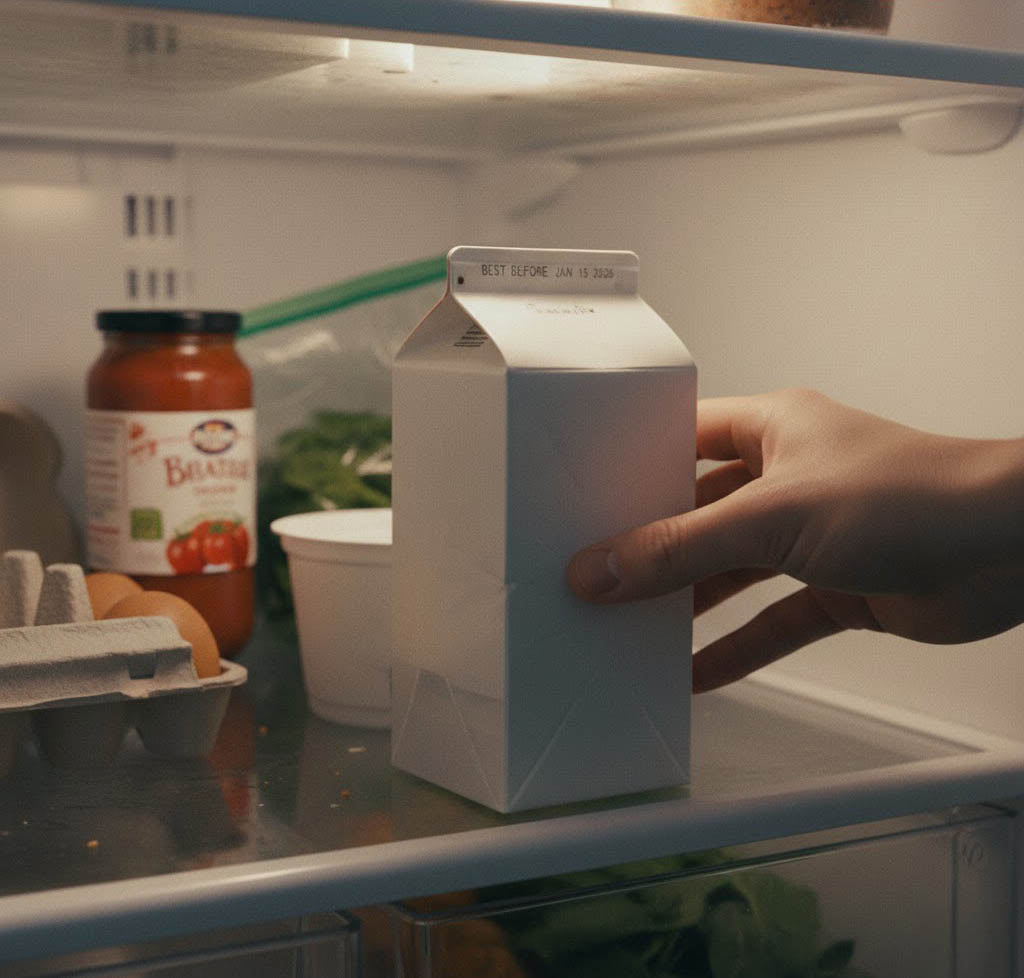
A carton of milk or a tin of yogurt reaches the date printed on the lid and is immediately tipped into the sink. These dates are almost never about safety; they are a manufacturer’s estimate of “peak quality” designed to move product off the shelves faster.
Tossing food based solely on a calendar ignores the reality of modern refrigeration. Most sealed items are viable for days or weeks past the stamp. Relying on a quick sniff or visual check is the only way to stop the “expiry tax” that costs the average family over $1,500 a year.
25. The “Drive-Thru” Routine
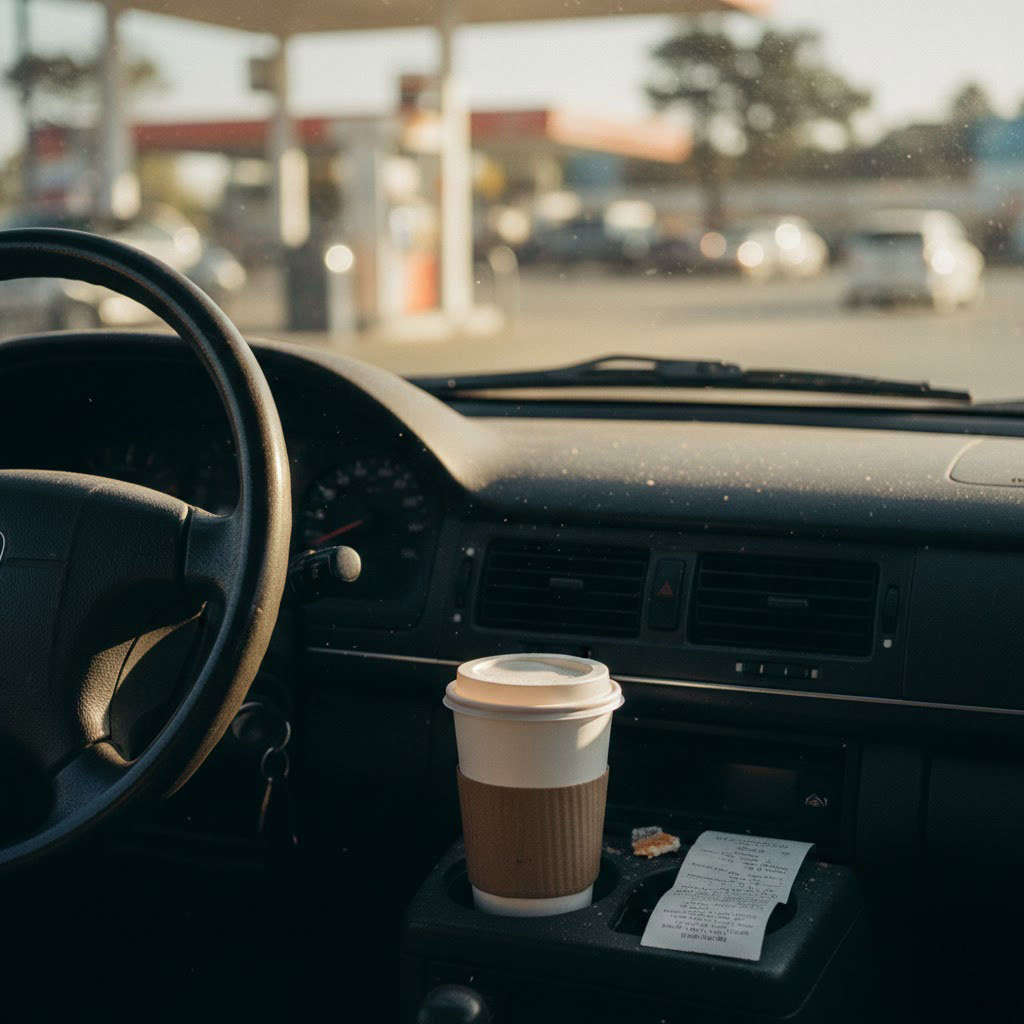
It starts as a morning convenience: a paper cup in the console and a quick tap of a card at the window. Over time, the $5 charge becomes background noise—a small price for a ritual that requires zero cleanup.
This single daily habit represents a $1,200 annual leak. You aren’t just paying for coffee; you are paying for the cardboard, the plastic lid, and the thirty seconds of idling in a line of cars. It is one of the most expensive ways to consume a basic commodity.
24. The “Warning Light” Wait

A small amber icon glows on the dashboard. The car still drives fine and there are no strange noises, so the light is ignored. It feels like a problem for “future you” to deal with when the schedule clears up.
That light often signals a sensor failure or a fluid leak that is currently a $60 fix. Left alone, the faulty part puts stress on the entire system. Eventually, it leads to a catastrophic failure on the side of the road that can cost more than the car’s Blue Book value.
23. The “Thermostat Toggle”
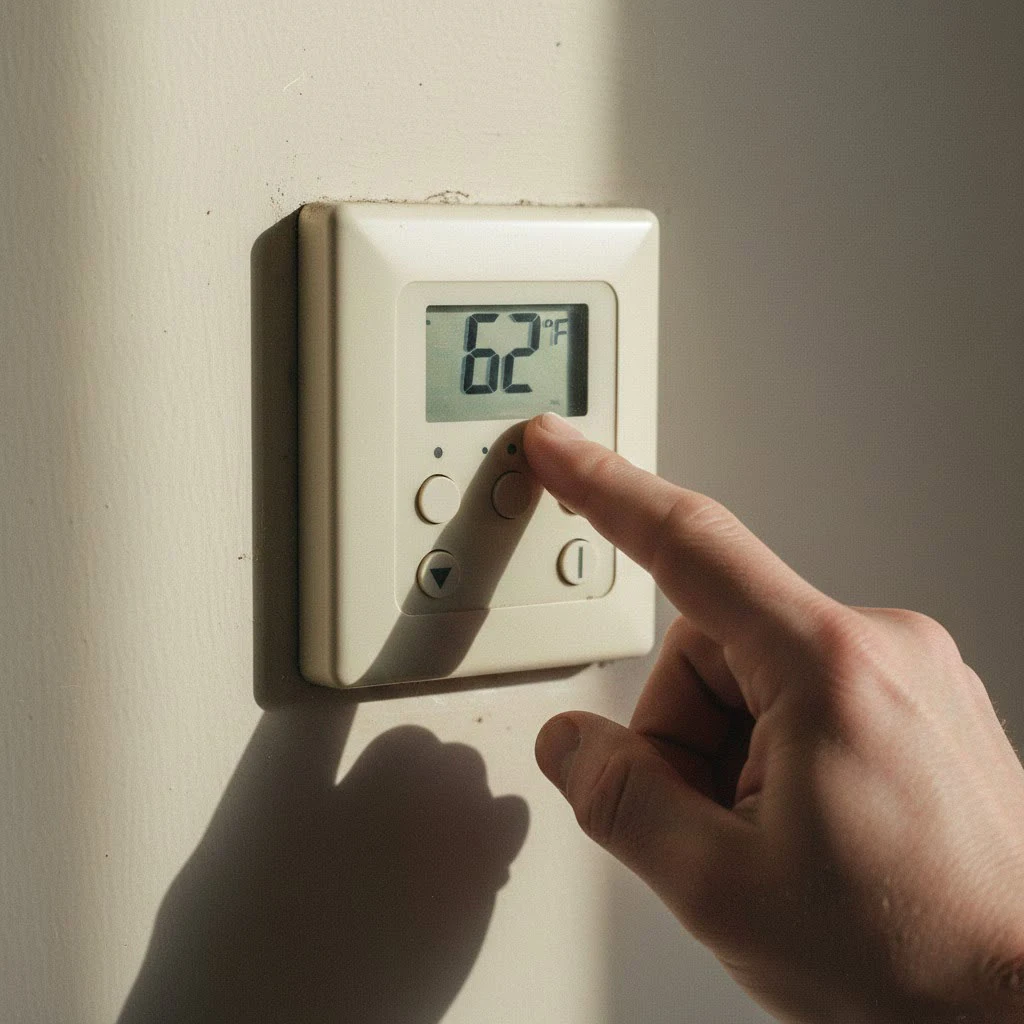
Coming home to a warm house often leads to a frantic adjustment, setting the thermostat to 62°F to “force” the cold air out. The vents blast and the windows rattle as the system stays pinned at maximum capacity for hours.
Air conditioners don’t work like a garden hose; they can’t “spray” colder air. They simply stay on until the target is hit. This creates a massive energy spike and puts unnecessary wear on the hardware without cooling the room a single second faster.
22. The Unreturned Online Purchase
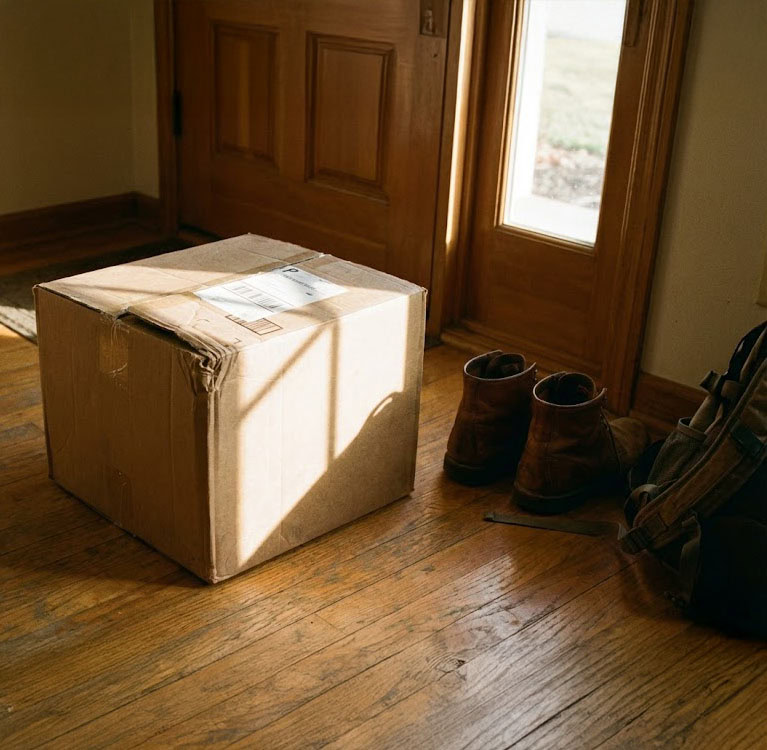
A cardboard box sits by the front door for weeks. The shoes didn’t fit, but the effort of printing a label and driving to a drop-off point feels like an exhausting chore. Eventually, the return window snaps shut.
That hesitation turns a temporary mistake into a permanent expense. The item ends up pushed to the back of a closet—a physical reminder of money donated to a billion-dollar company simply because the “reverse logistics” felt too inconvenient.
21. The “Premium” Fuel Placebo
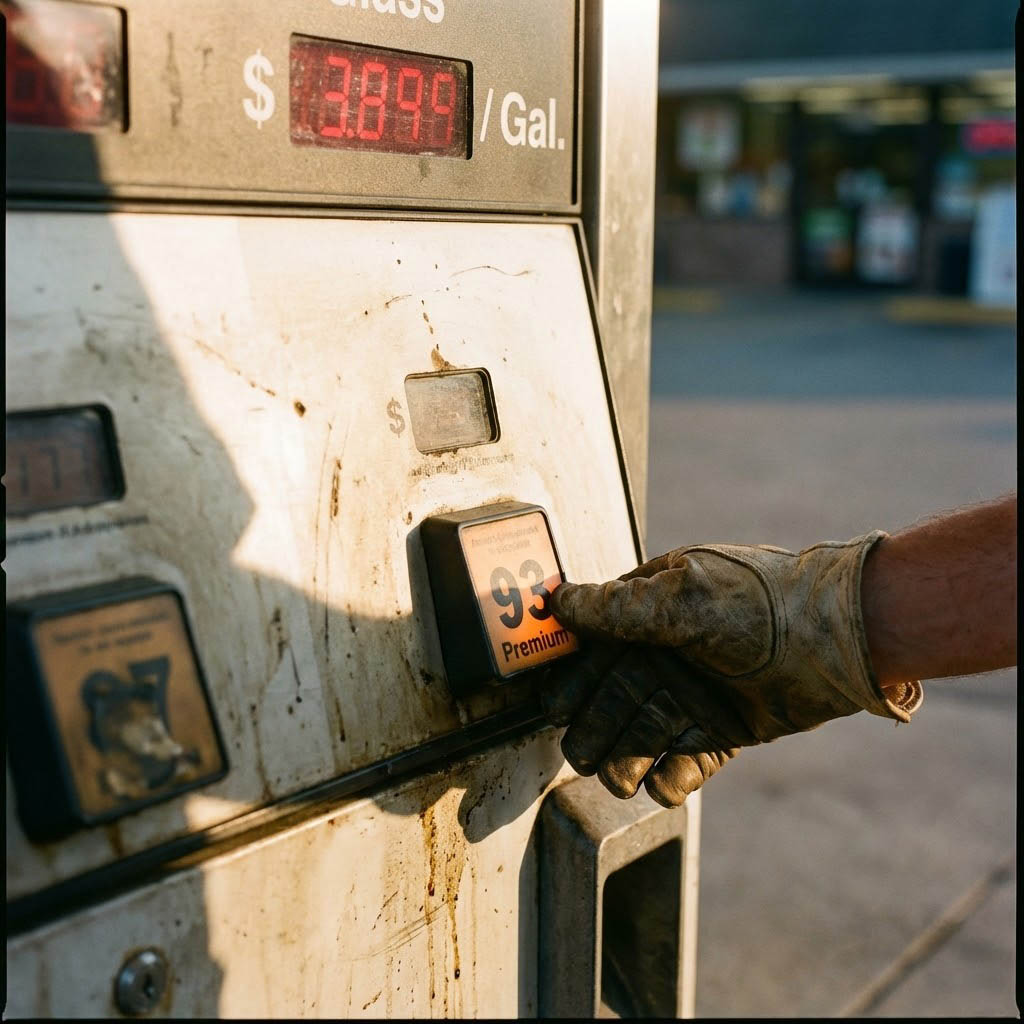
At the gas station, the “91” or “93” button looks like the “healthy” choice for your car. There is a common belief that higher octane is “cleaner,” leading many to pay an extra 50 cents per gallon as a treat for their engine.
Unless your car has a high-compression or turbocharged engine, premium fuel provides zero benefit. It doesn’t burn better; it just stays in the tank longer while the extra money evaporates from your bank account at every fill-up.
20. The Single-Serve Coffee Pod
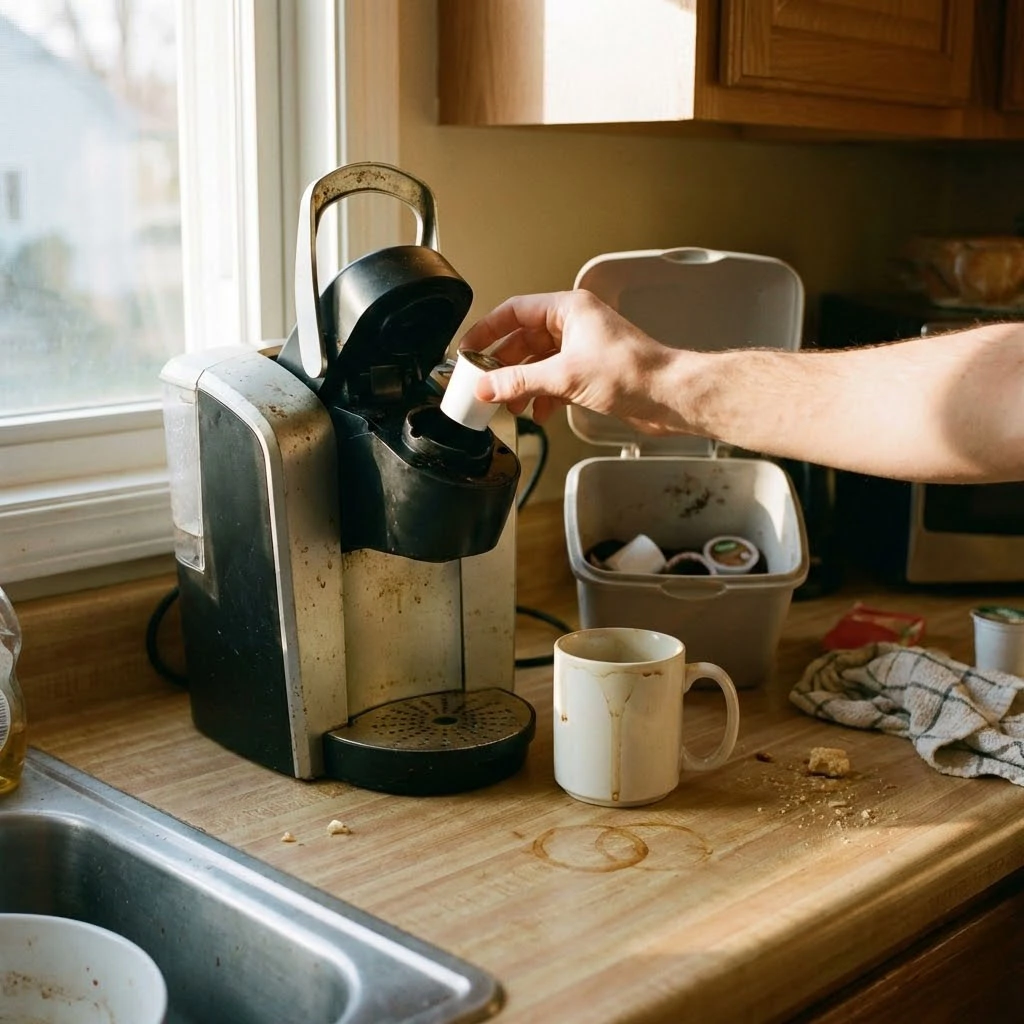
A small plastic cup is dropped into a machine, a button is pressed, and coffee is ready. It’s the ultimate kitchen shortcut. But when that convenience is broken down by weight, the math is startling.
At 50 cents per pod, you are paying approximately $45 per pound for coffee. Even high-end, locally roasted beans rarely top $20. It is a massive premium paid for the privilege of creating a small piece of plastic waste every morning.
19. The “Vampire” Power Load
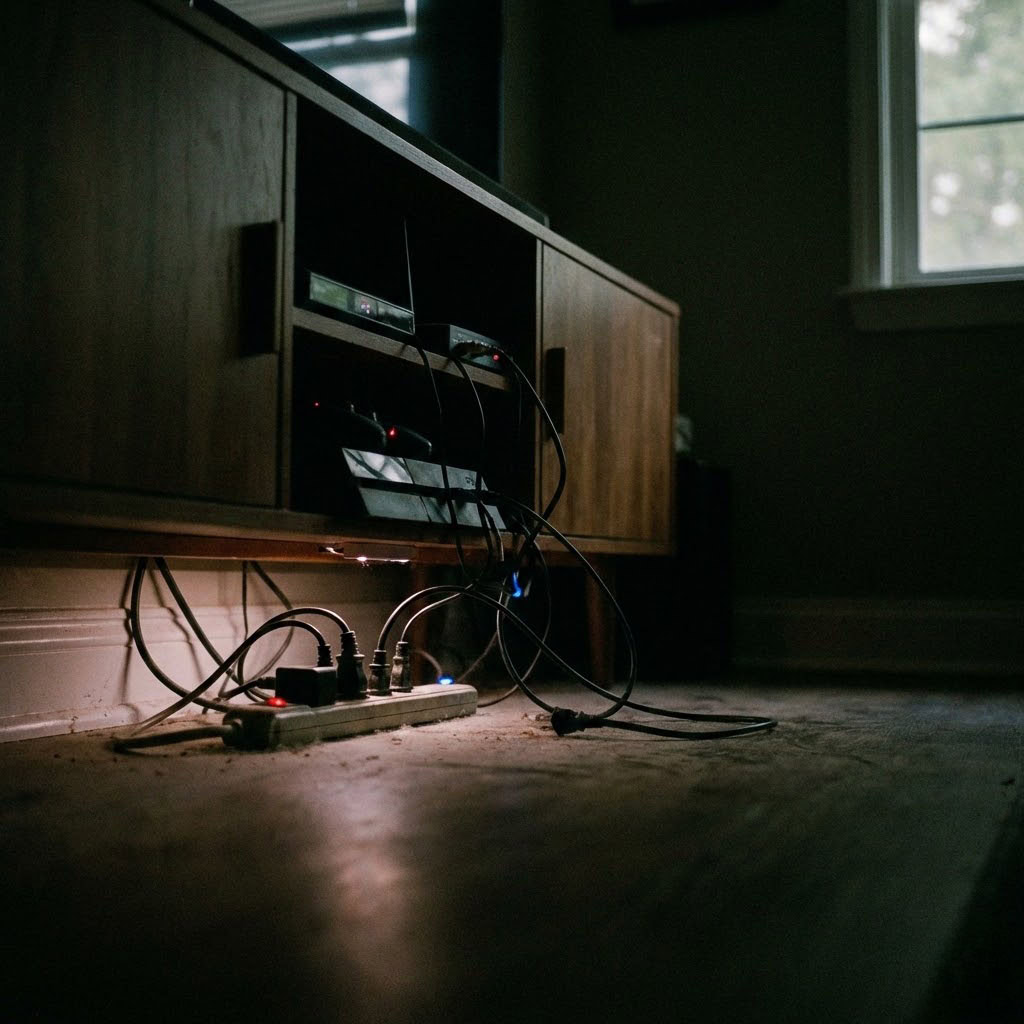
Even when turned “off,” most modern electronics are in a state of perpetual readiness. The glowing LED on the toaster, the clock on the microwave, and the “instant-on” feature of a console all require a steady trickle of electricity.
Individually, these draws are tiny. Collectively, they create a “vampire load” that accounts for 10% of a monthly power bill. It is the invisible cost of keeping your entire house on standby, waiting for a signal that may not come for hours.
18. The “Pre-Cut” Convenience Tax

In the produce aisle, plastic containers hold neatly cubed squash and julienned carrots. They promise to save ten minutes of prep time, making a healthy dinner feel attainable after a long workday.
That ten minutes of labor is billed at a staggering rate. Pre-cut produce often carries a 300% markup over the whole vegetable two feet away. For most households, the “hourly rate” paid to have someone else chop an onion is higher than their own professional salary.
17. The Delivery App “Triple-Dip”
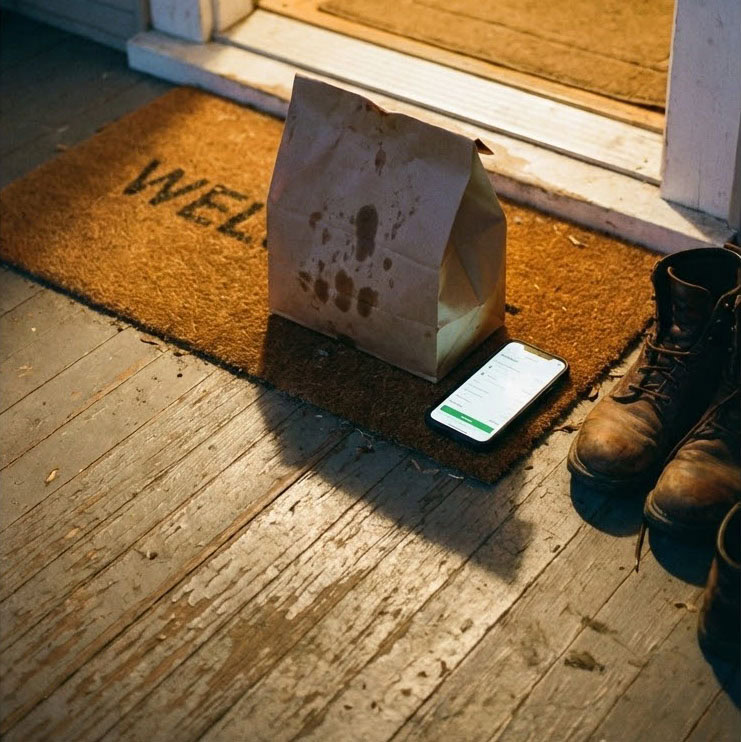
Ordering a $15 burger feels straightforward until the checkout screen appears. The menu price is often $2 higher than in the restaurant, followed by a delivery fee, a service fee, and a suggested tip.
By the time the bag hits the doorstep, that $15 meal has become a $28 expense. This “triple-dip” of fees is the price of not putting on shoes and driving five minutes down the road, making delivery one of the fastest ways to drain a weekly food budget.
16. The “Paper Statement” Fee
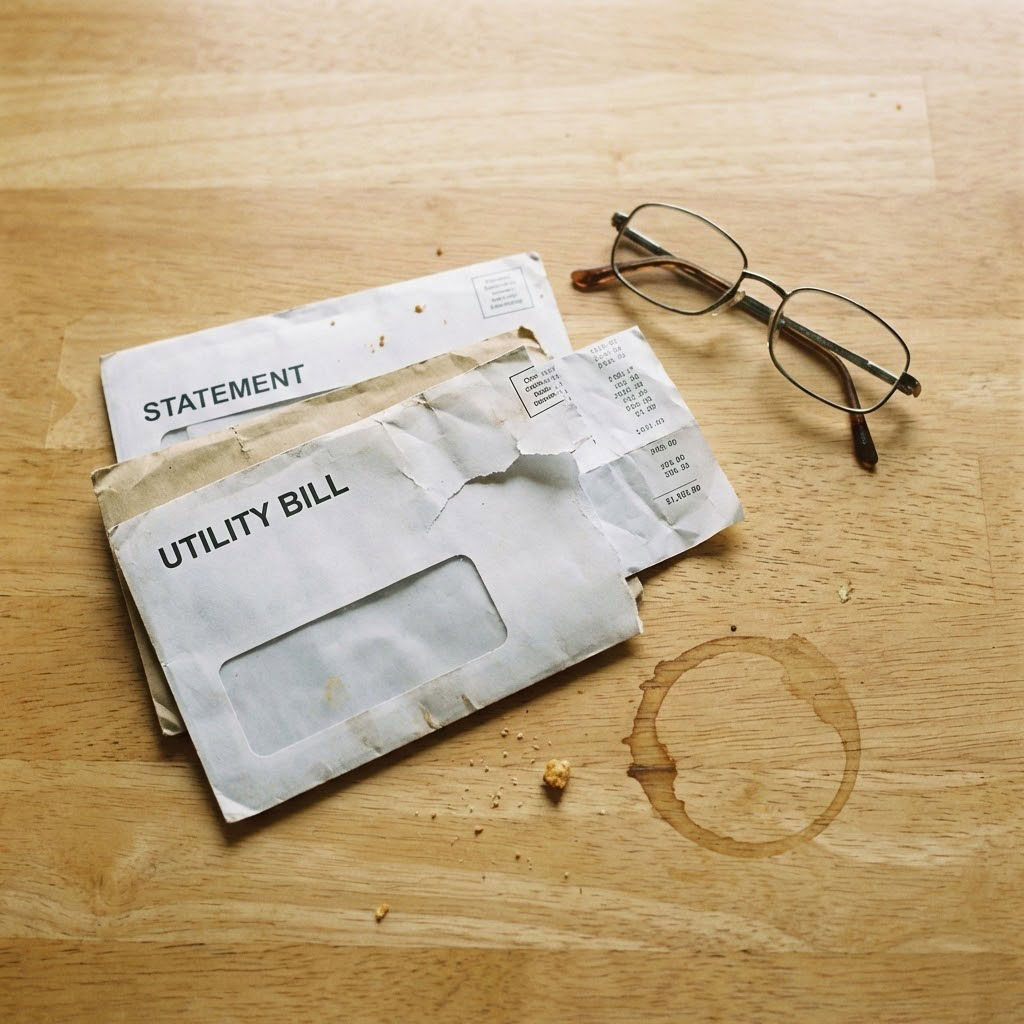
A windowed envelope arrives every month containing a bill you’ve already seen online. Tucked into the fine print is a $2.50 charge for “Paper Delivery.” It feels insignificant. That’s why it survives for years.
Across multiple accounts—phones, internet, and credit cards—a household can easily spend $200 a year just to receive mail that goes straight into the recycling bin. It is a convenience fee for the company, not for you.
15. The “Specialized” Cleaner Myth
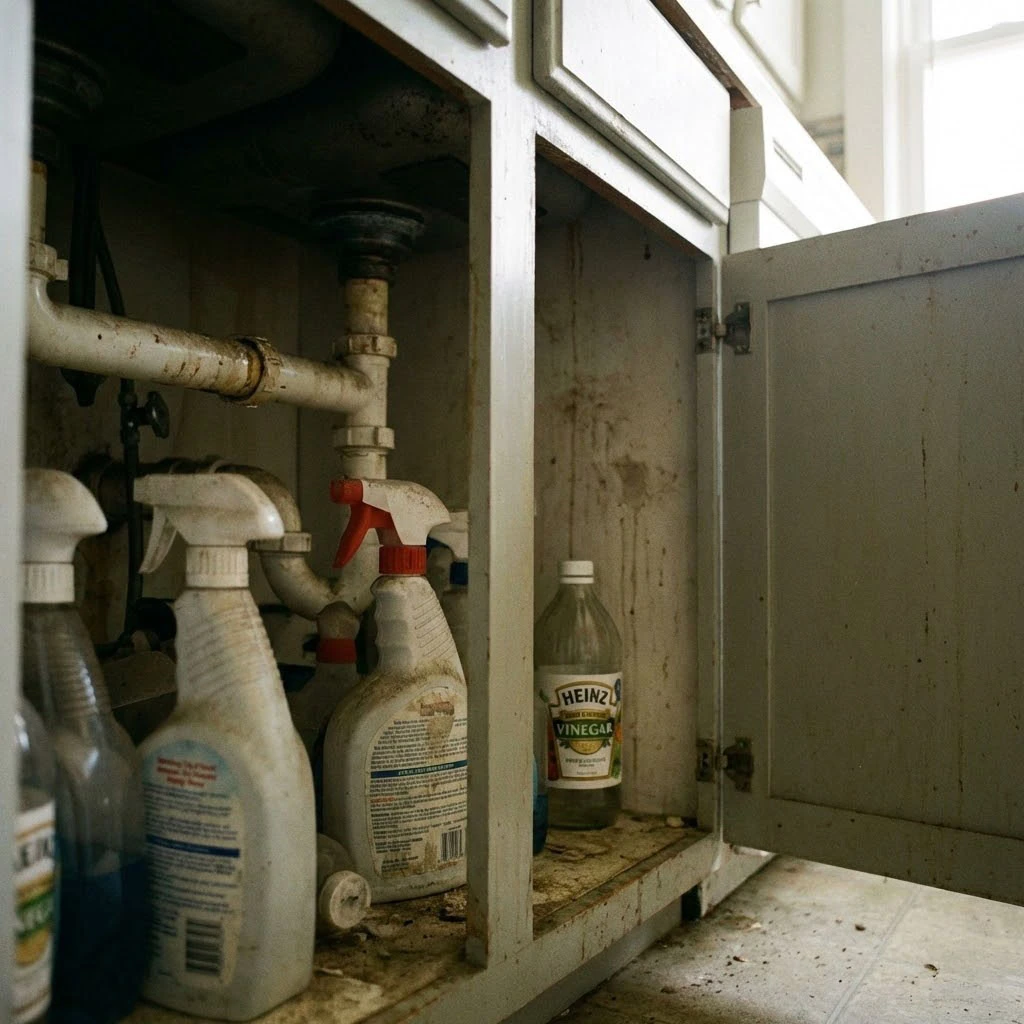
The cabinet under the sink is crowded with a dozen different spray bottles for glass, granite, and “daily” showers. Marketing suggests that every surface requires a unique chemical compound to stay clean.
In reality, most of these products are 90% water with a different scent. A gallon of white vinegar, baking soda, and basic dish soap handle almost every cleaning task for a fraction of the cost of a “specialized” fleet.
14. The “Tire Pressure” Neglect
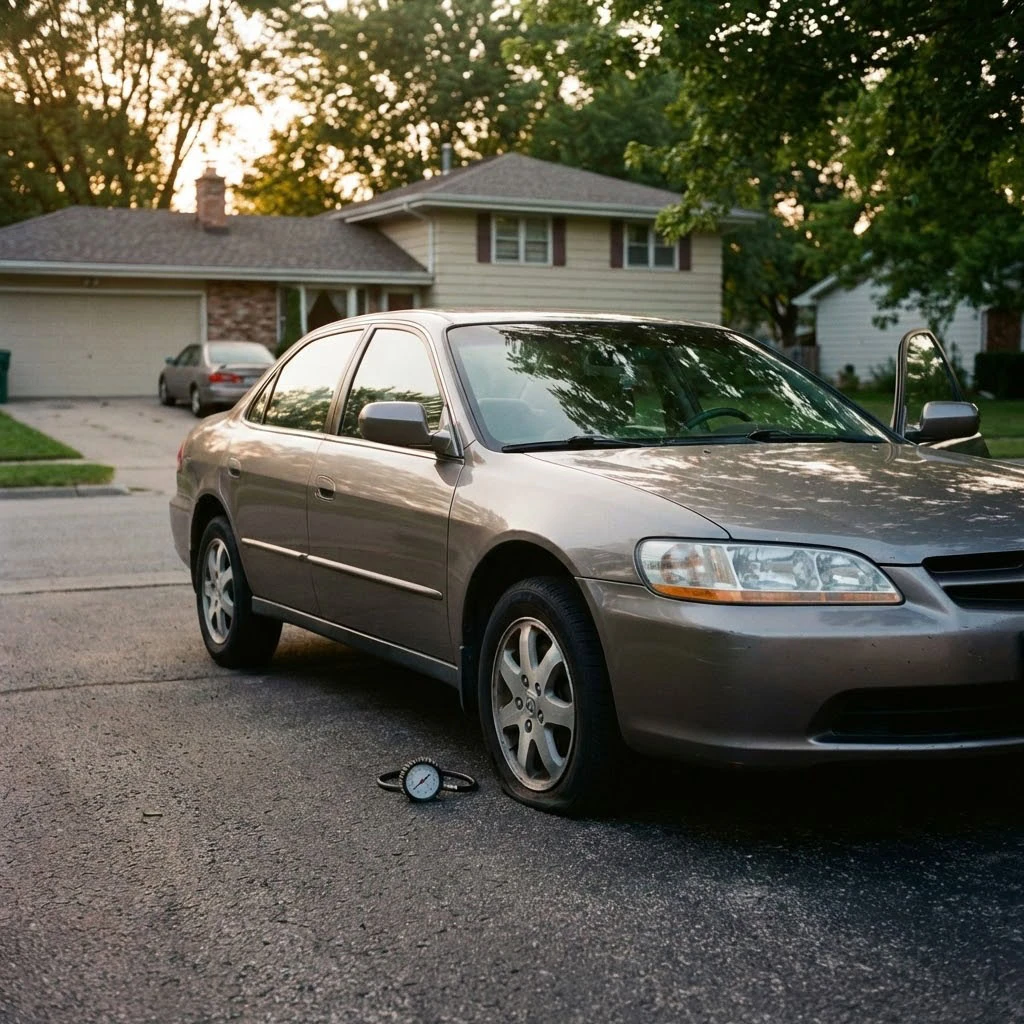
Tires rarely look flat until they are dangerously low. A tire that is just 5 PSI under-inflated looks normal to the naked eye, but it creates significantly more rolling resistance against the pavement.
This resistance forces the engine to burn more fuel to maintain speed. For a daily commuter, ignoring that small “low pressure” light is a hidden tax paid at every single gas station fill-up.
13. The “Small Leak” Procrastination
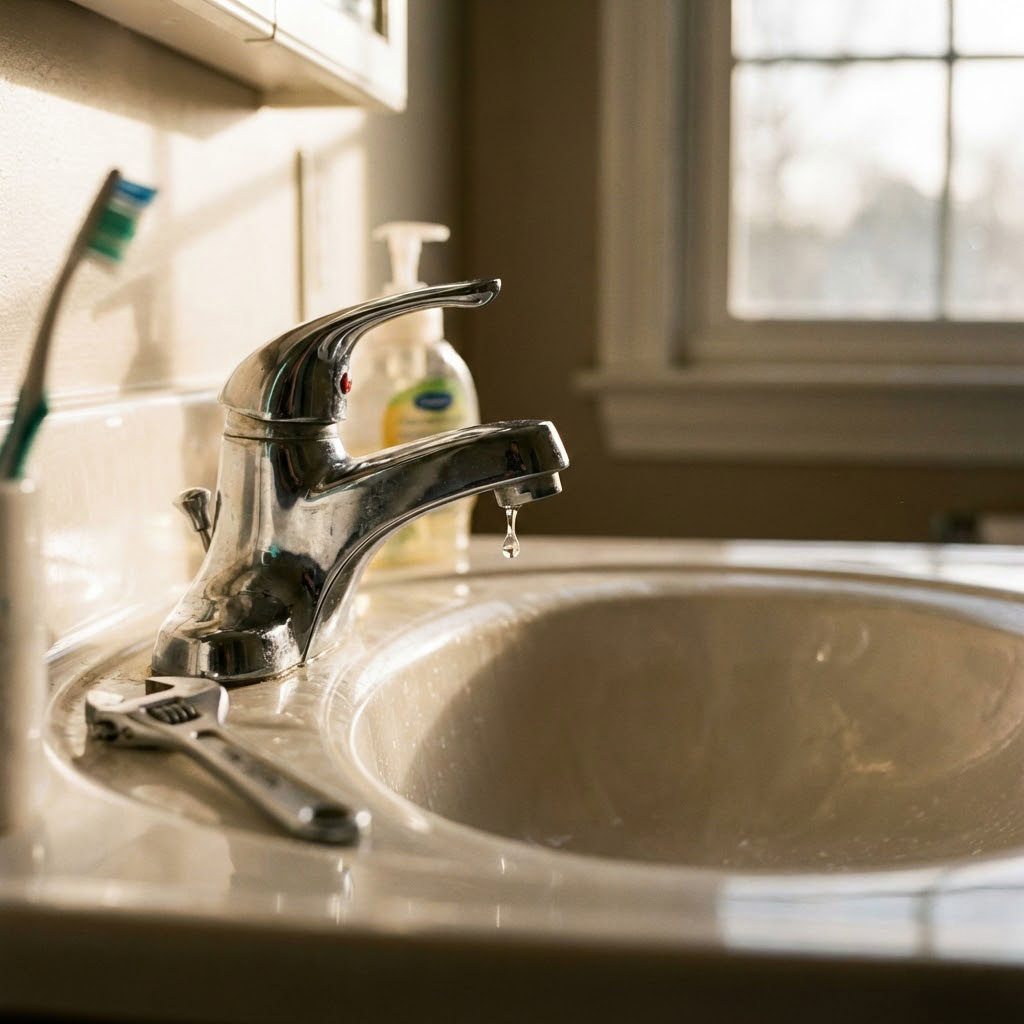
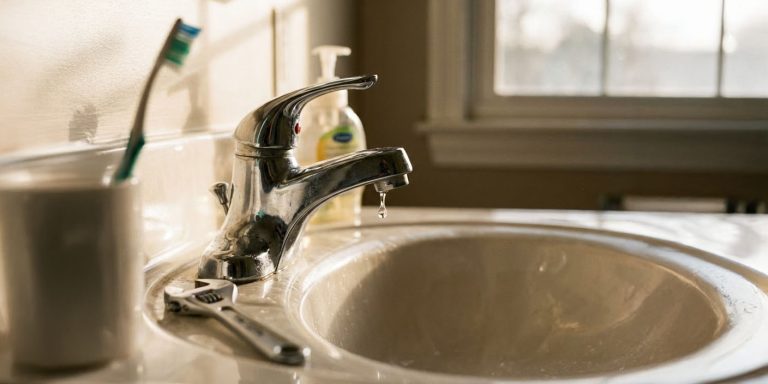
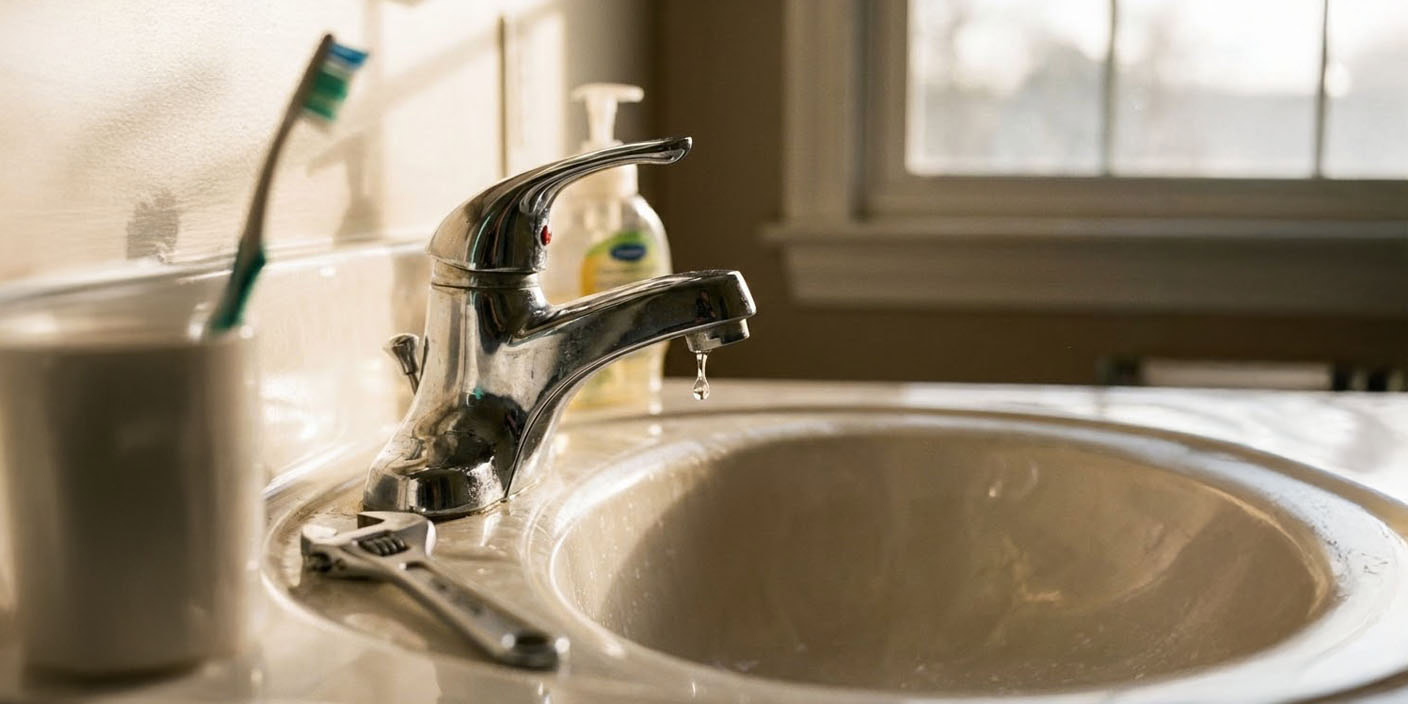
A faucet in the guest bathroom has a rhythmic, persistent drip. It’s quiet enough to ignore, and the fix feels like a project for another day. It seems like such a tiny amount of water that it couldn’t possibly matter.
A leak that drips once per second wastes over 3,000 gallons of water a year. When that water is heated, like a dripping showerhead, the cost doubles as the water heater works overtime to replace the “lost” warmth.
12. The “Ghost” Subscription

It started as a 7-day free trial for a project or a single documentary. The credit card was entered, the task was finished, and the app was forgotten. It survives because the charge is small enough to blend into the noise of a bank statement.
These subscriptions are a pillar of modern corporate revenue. Because $12.99 doesn’t trigger an alarm, it can pull hundreds of dollars over several years for a service that isn’t being used.
11. The Specialty Sauce Graveyard
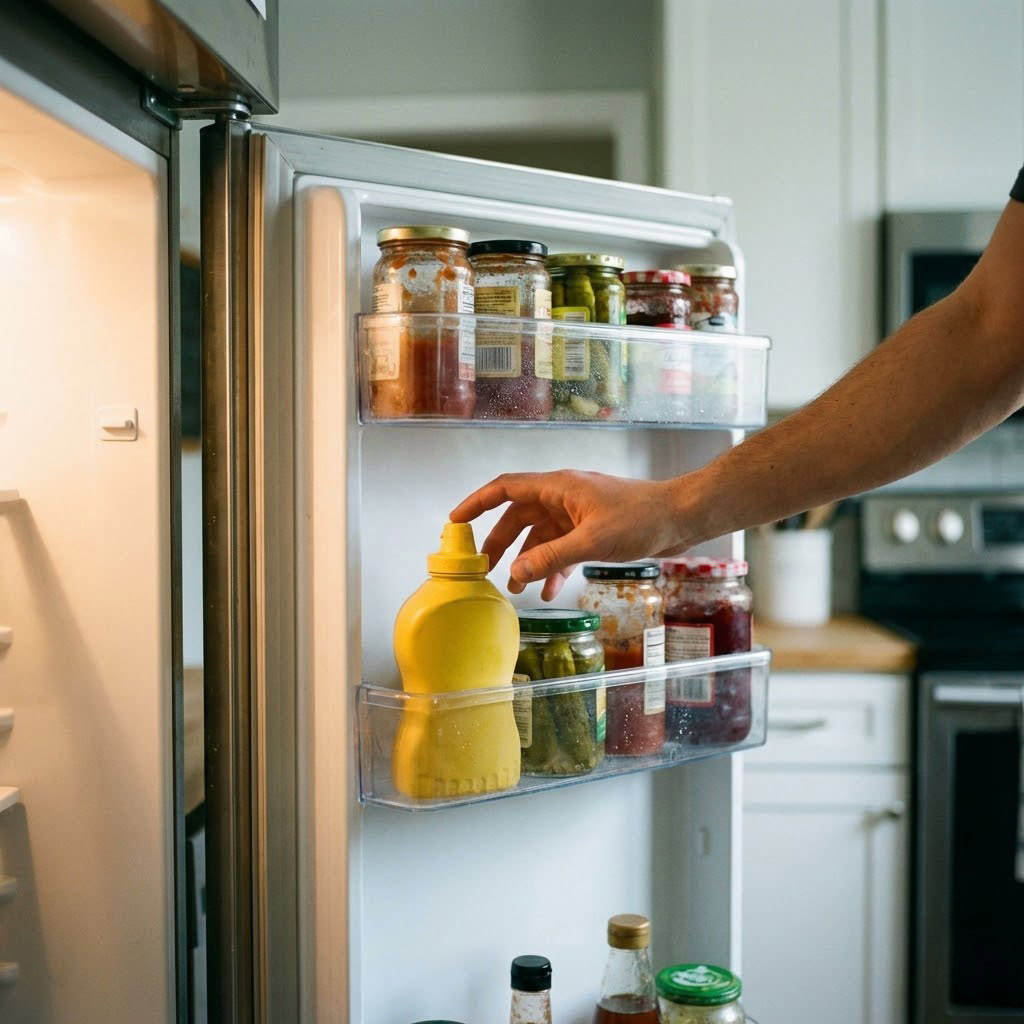
The fridge door is lined with jars used exactly once. There is the half-bottle of hoisin for a stir-fry and the tartar sauce from a fish dinner six months ago. Each jar represents $6 effectively “parked” until it expires.
This graveyard of ingredients is the result of recipe-chasing without a plan for leftovers. It leads to a fridge full of glass jars and a budget that feels tighter than it should, all because the “one-time” ingredient became a permanent fixture.
10. The “Dry Clean” Default

A blazer or silk sweater looks great on the rack, but the “Dry Clean Only” tag is a long-term contract for future spending. Over the garment’s life, the cost of professional cleaning often exceeds the original purchase price.
Many default to dry cleaning for anything that looks “nice,” even when the fabric could be safely laundered or steamed at home. Maintenance costs are the “quiet” part of a clothing budget that most people never calculate.
9. The “Empty Room” Fan

The blades of a ceiling fan spin in an empty bedroom all day long. There is a common perception that fans lower the temperature of a room, much like an air conditioner does.
In practice, fans cool people, not spaces. They move air over skin to speed up evaporation. When no one is in the room, the fan is simply a motor consuming electricity and generating a small amount of heat, providing zero benefit while ticking the meter upward.
8. The “Bulk Buy” Mirage
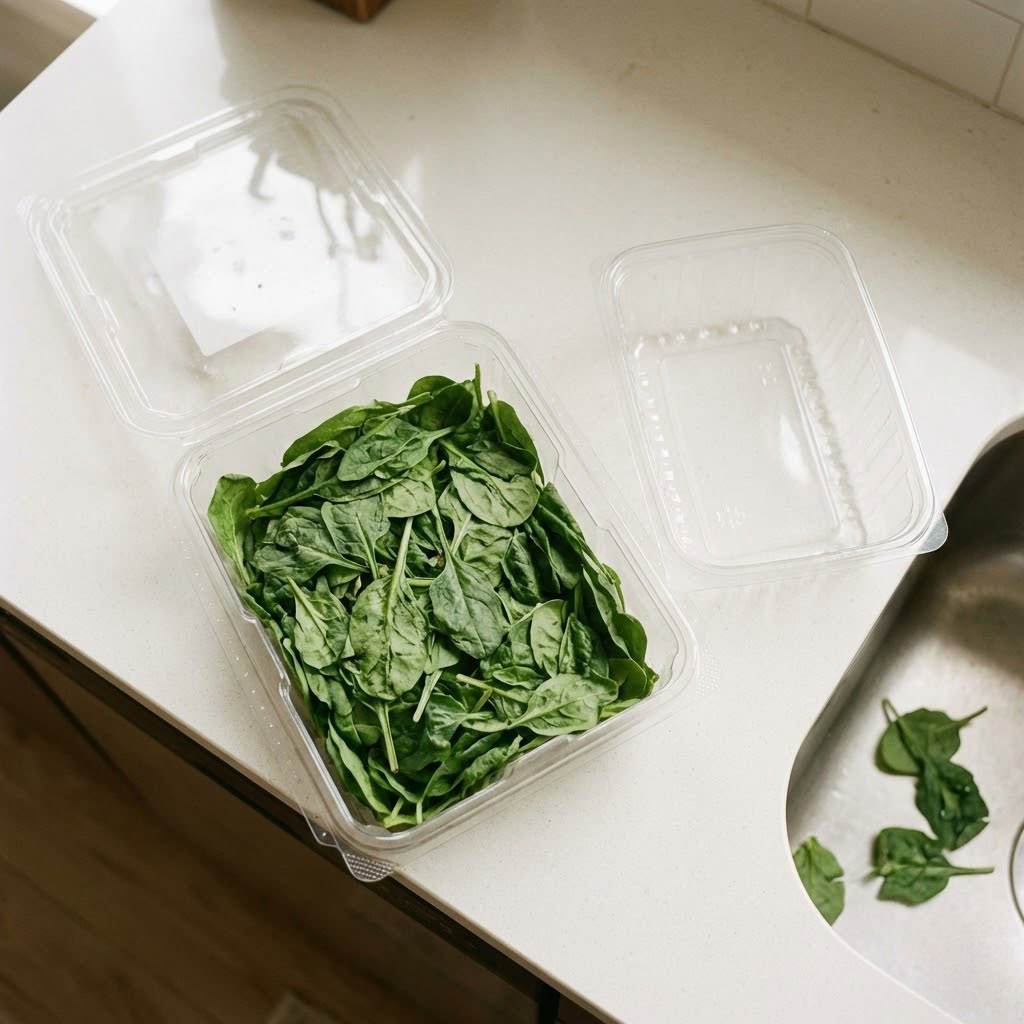
A 5-pound container of spinach feels like a victory at the warehouse club. The unit price is unbeatable, and the “value” seems obvious compared to the small, expensive portions at the local grocer.
However, if half of that spinach turns to slime before Friday, the value disappears. Bulk buying perishables is only a saving if every ounce is consumed; otherwise, you are just paying a premium to fill up your kitchen trash can.
7. The Empty-Pantry Shop
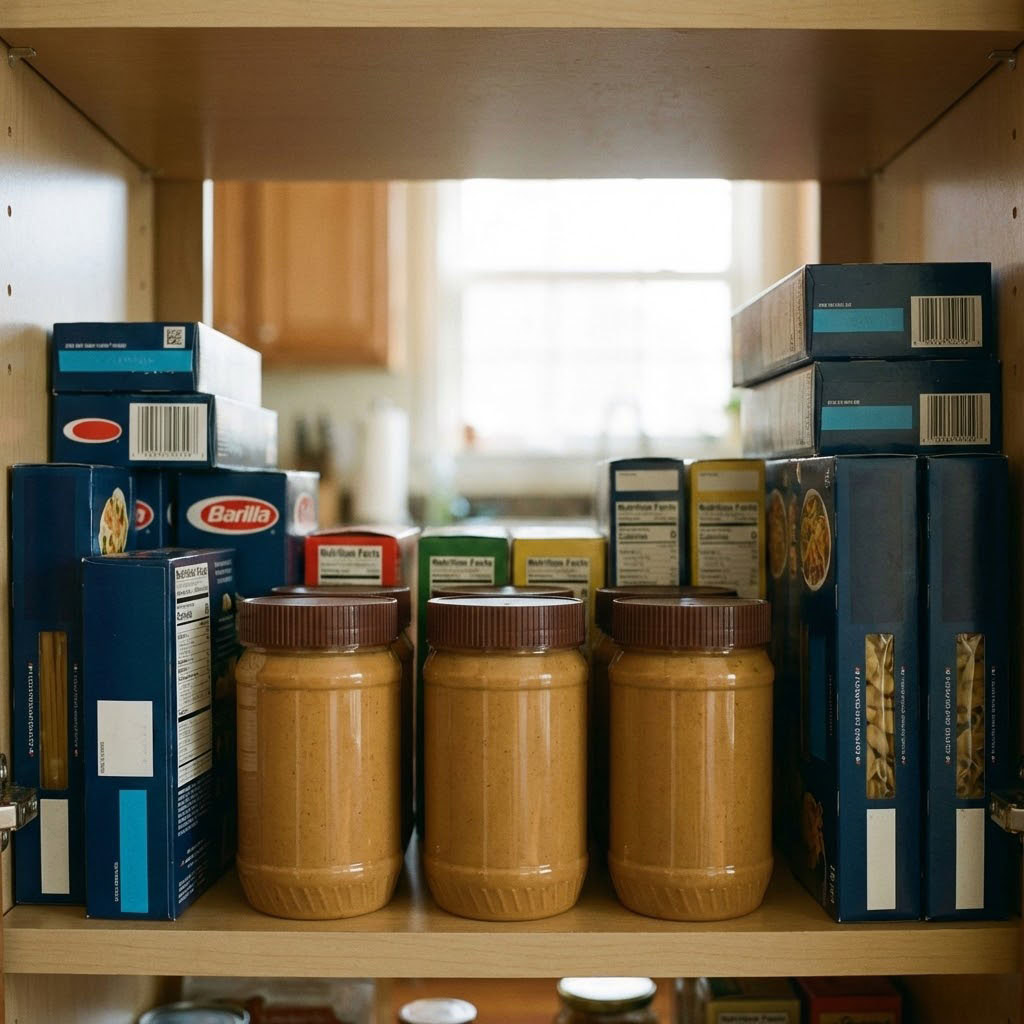
Grocery shopping without a plan leads to a cart full of “just in case” items. You can’t remember if there’s peanut butter at home, so you grab one. You see pasta on sale and grab two boxes.
When you get home, you find three jars of peanut butter already in the pantry. This lack of inventory leads to a bloated pantry where items get pushed to the back and expire, hidden behind duplicates. It’s money spent on food you already owned.
6. The Seasonal Decor Cycle
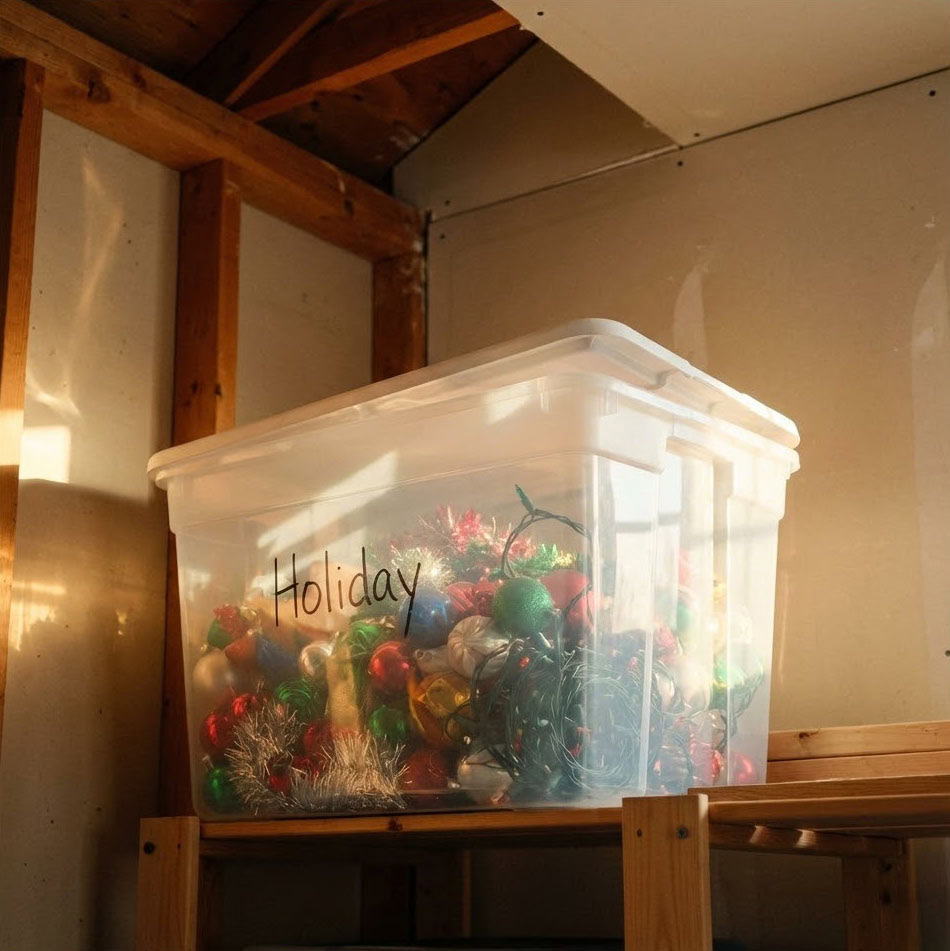
Every October or December, the aisles are filled with cheap, brightly colored plastic decorations. They are inexpensive enough to grab on a whim, adding a “fresh” look to the house for the holidays.
Because these items are flimsy, they rarely survive a year in an attic box. This creates a cycle where the same $100 is spent every year on disposable festive clutter, rather than investing once in high-quality pieces that last a lifetime.
5. The Extended Warranty
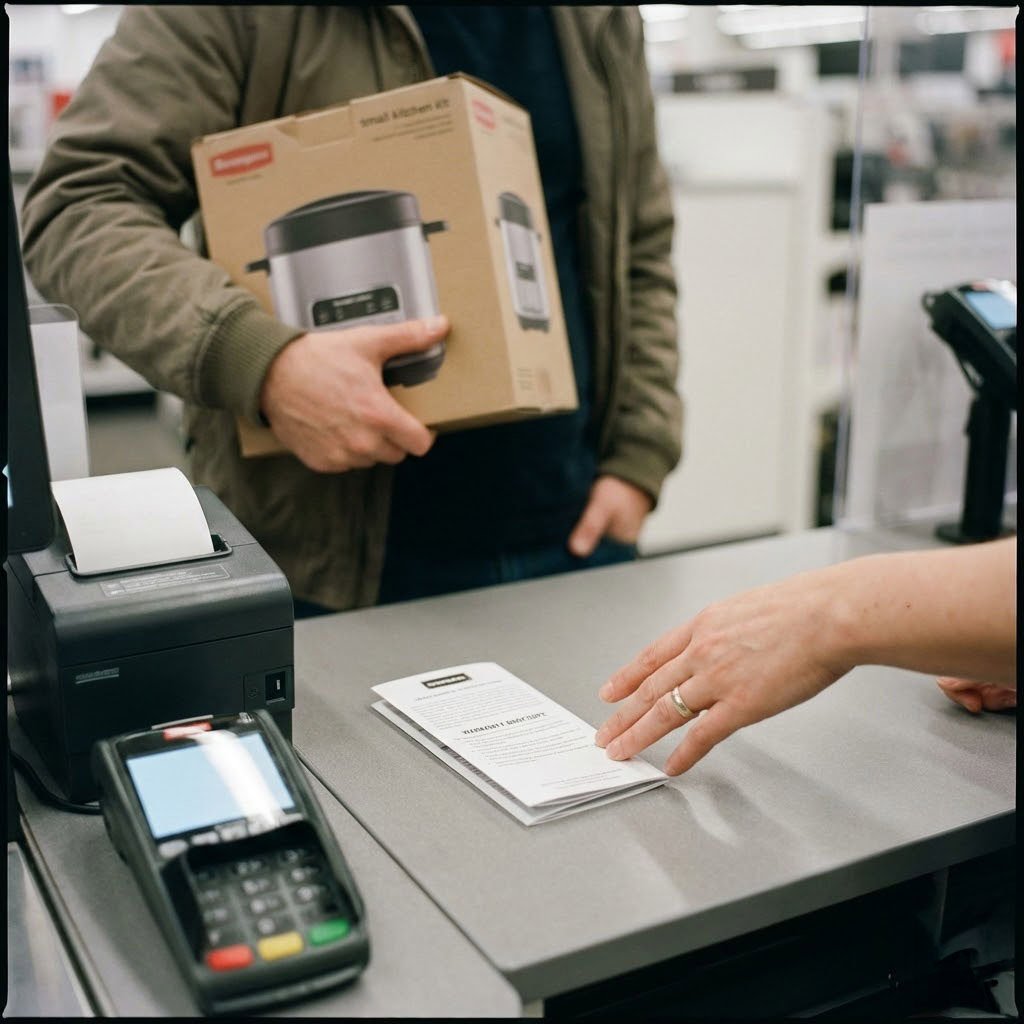
At the checkout for a new TV or appliance, the salesperson offers “peace of mind” for an extra 15%. It feels like a safety net against a catastrophic hardware failure.
Statistically, these warranties are pure profit for the retailer. Most modern electronics are either “dead on arrival”—covered by the manufacturer—or they will last well past the extended window. Paying for the warranty is betting that the product you just bought is a lemon.
4. The Gas Station “Add-On”
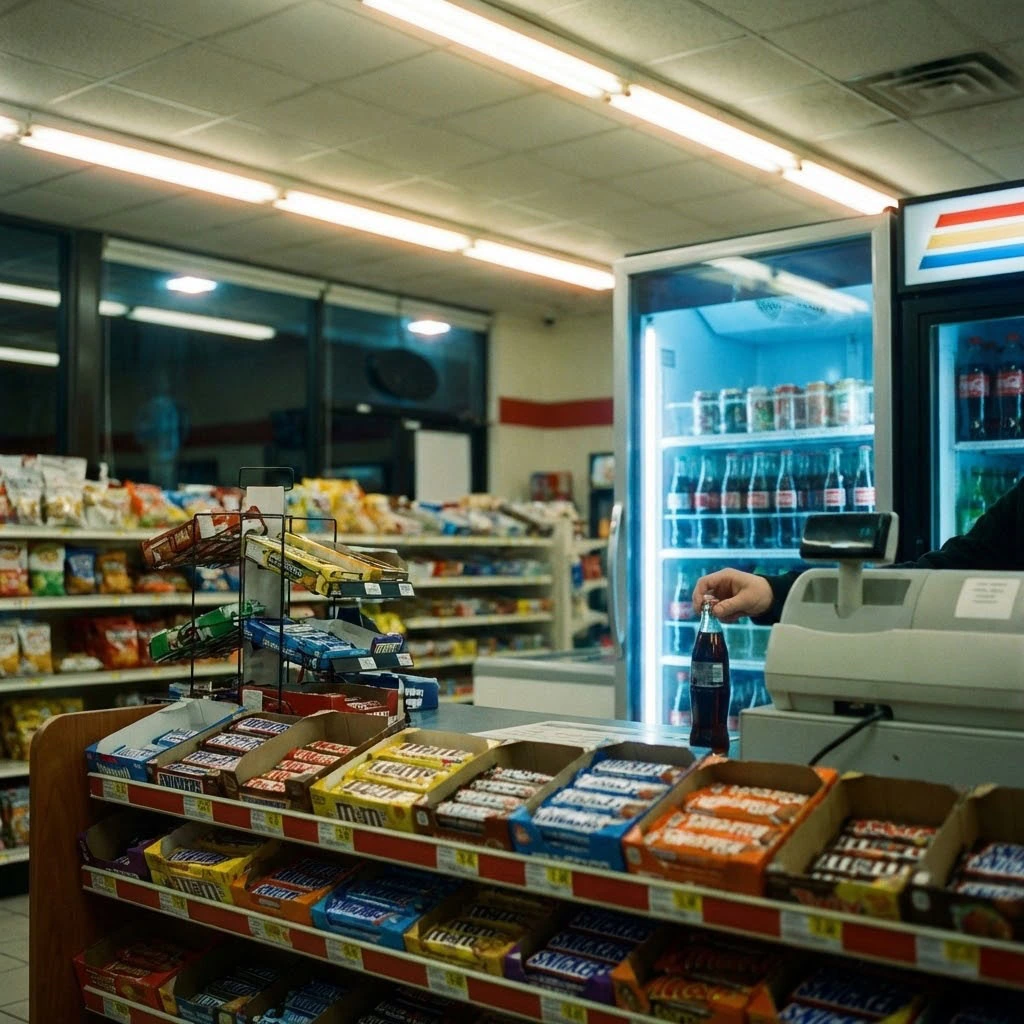
A quick stop for fuel often leads to a trip inside for a cold soda or a bag of chips. These items are rarely on the shopping list; they are impulse decisions made because of proximity.
These small buys carry some of the highest markups in retail. Over a year of weekly fill-ups, these “add-ons” can quietly consume $500. It’s the cost of a convenience that most people don’t even realize they’re paying for.
3. The “Laundry Cap” Scam

Inside every bottle of detergent is a plastic cap with faint, molded lines. These lines are often difficult to see, and the “Level 1” mark is usually buried at the very bottom, while the cap itself is massive.
Most people naturally fill the cap halfway or to the top. This results in using three times more soap than necessary. It doesn’t get the clothes cleaner; it just coats the machine in residue and ensures you’re back at the store twice as fast.
2. The New Appliance “Itch”
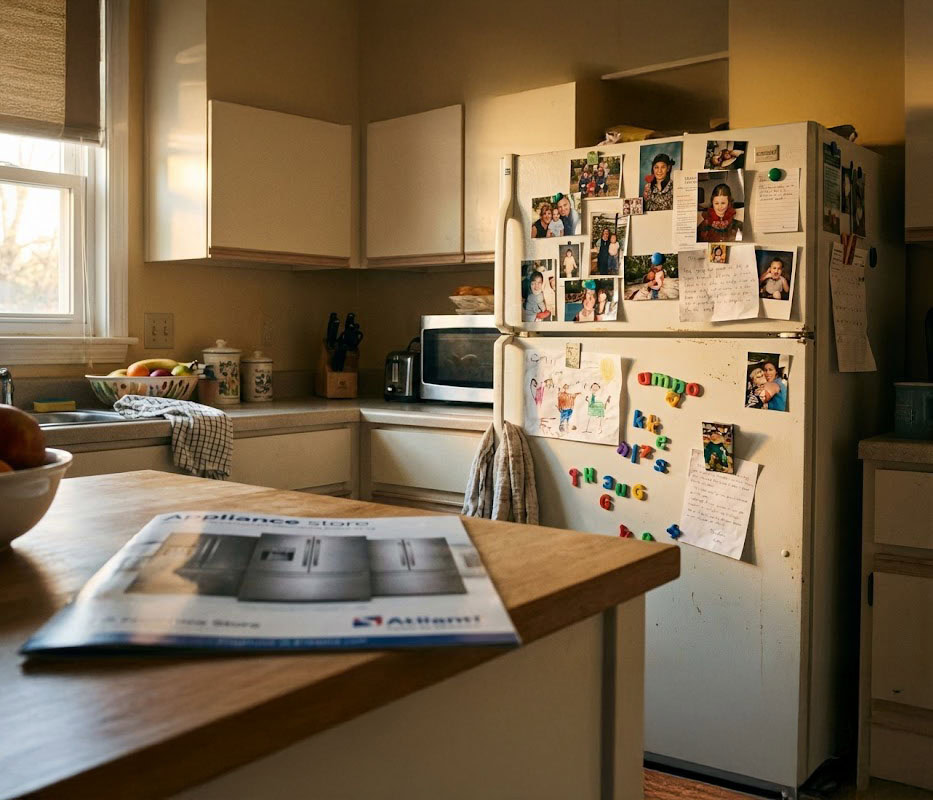
A ten-year-old refrigerator still keeps the milk cold, but it looks dated compared to models with touchscreens. The “upgrade” is framed as an investment in efficiency and a modern lifestyle.
However, older appliances were often built with simpler, more durable components. Replacing a working machine for a “smart” version usually means trading a reliable workhorse for a complex system that is more expensive to repair when the digital motherboard inevitably fails.
1. The “Dead Battery” Upgrade
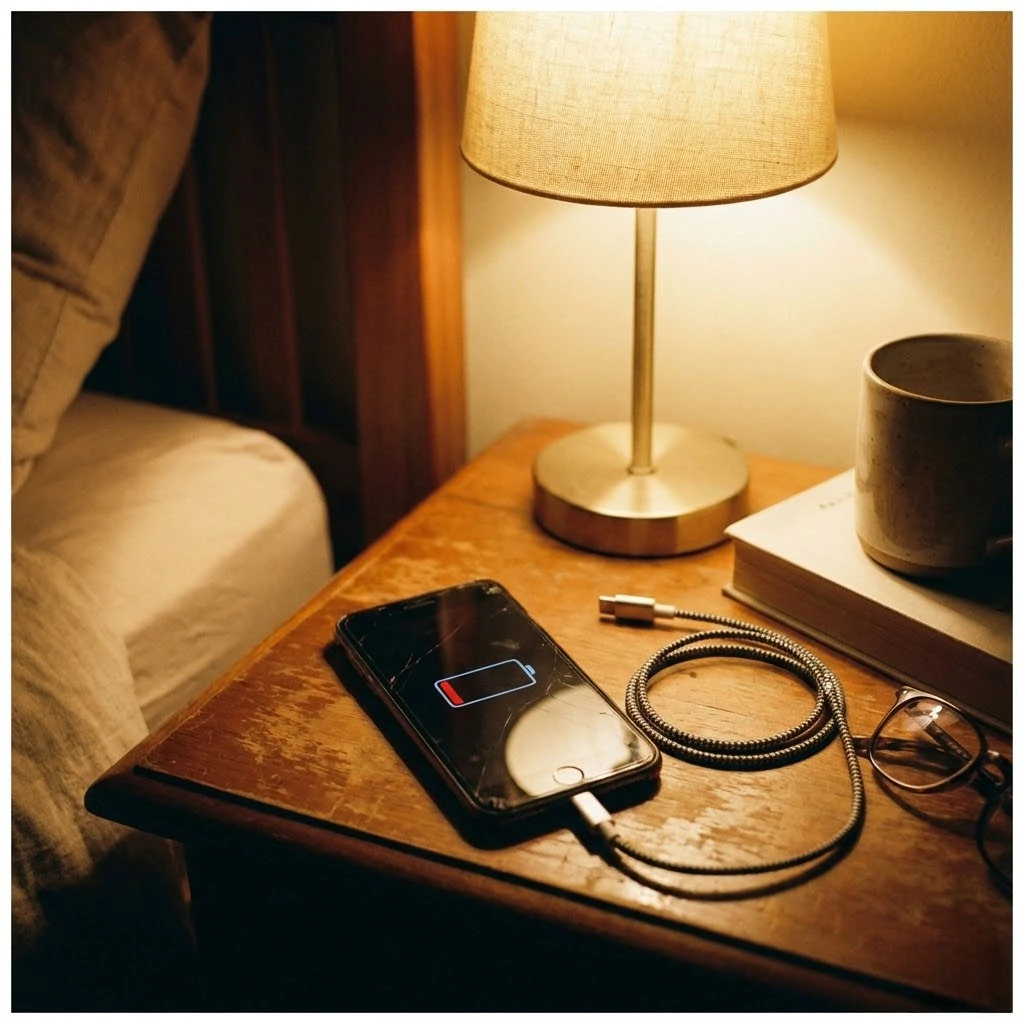
A two-year-old smartphone starts to feel sluggish. Apps take longer to open, the screen feels less responsive, and the battery barely lasts until lunch. The conclusion is that the hardware is “old” and it’s time for a $1,000 replacement.
In many cases, the phone isn’t broken; the battery is simply degraded. Lithium-ion batteries lose their ability to deliver peak power over time, causing the software to throttle performance. A $50 battery replacement can often make the “old” phone feel brand new, saving a massive, unnecessary expense.
Stop the Bleeding
Most of these money leaks don’t feel reckless. They feel normal. That’s why they survive for years.
The good news is they’re fixable. Every canceled subscription, patched leak, swapped habit, or delayed “upgrade” is money that stays in your household instead of quietly slipping out the door.
And if you’re wondering how previous generations managed to stretch a dollar further without budgeting apps or financial hacks, it’s worth looking back. Many of the habits that built long-term financial stability were simple, practical, and surprisingly effective. You can read more in 30 Forgotten Habits That Saved Our Grandparents a Fortune.