Long before “sustainability” was a marketing buzzword, families had a different name for it: Common Sense.
These habits weren’t about saving the polar bears. They were about stretching a dollar until it snapped. Waste cost money, so waste was the enemy. Looking back, these weren’t just frugal hacks. They were a masterclass in efficiency that modern life has completely forgotten.
30. The Clothesline Was the Original Solar Dryer
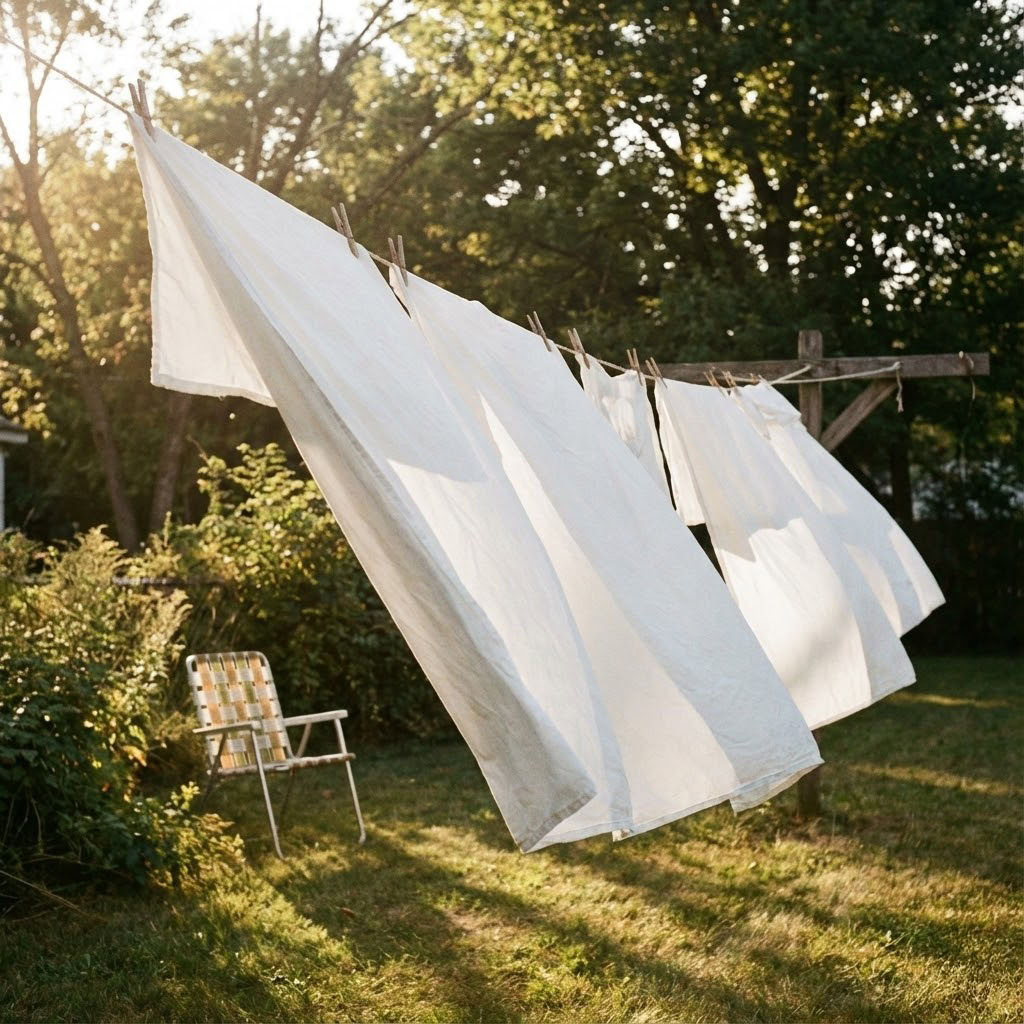
Electric dryers existed, but using them when the sun was shining was often considered a sin. It just didn’t make sense to pay for electricity when the air outside was free.
The stiff, crisp feel of sun-dried sheets and that specific “outdoor” smell weren’t luxuries back then. They were just the standard way laundry was done.
29. Leftovers Were Mandatory
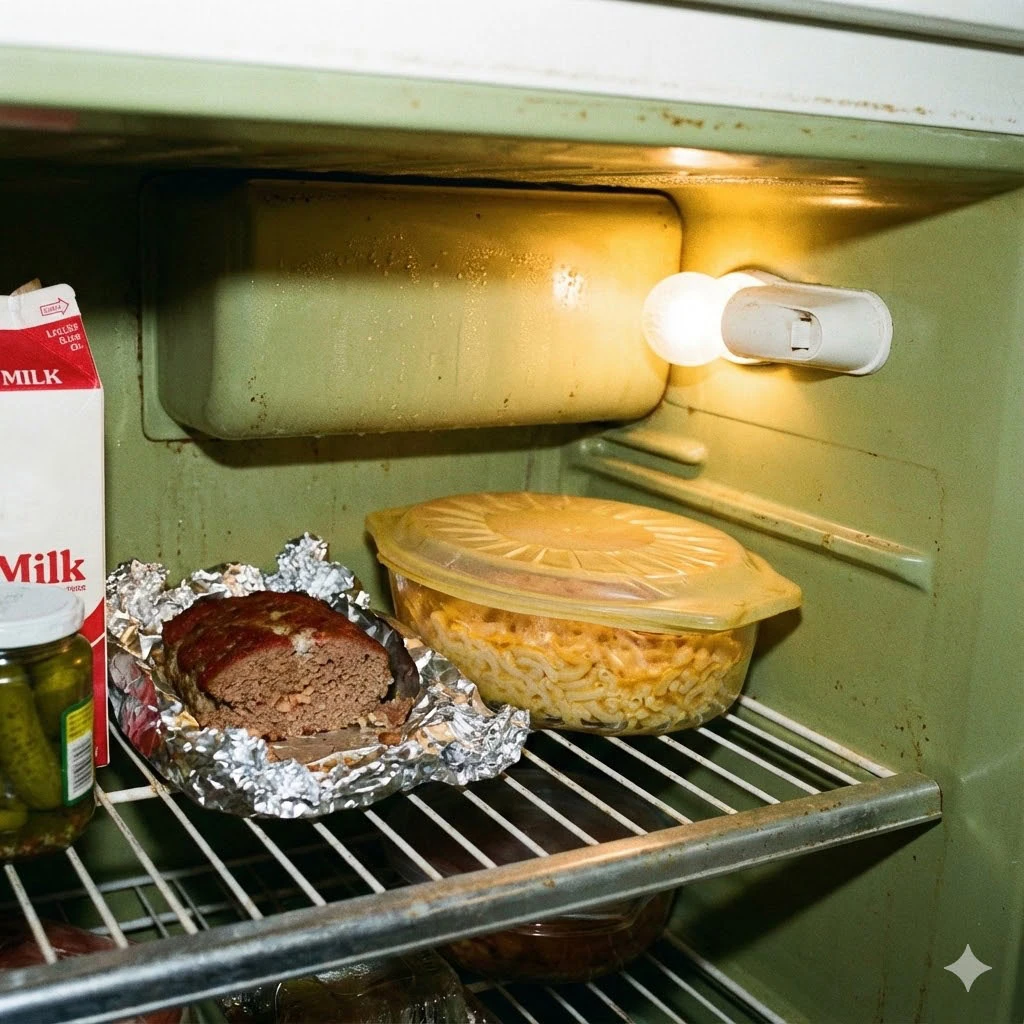
It wasn’t a choice to eat last night’s roast for lunch. It was the system. The refrigerator wasn’t a graveyard for good intentions; it was a staging ground for the next meal.
Throwing away food just because you “didn’t feel like it” wasn’t simply wasteful. It was looked at as almost immoral.
28. The “House Clothes” Rule
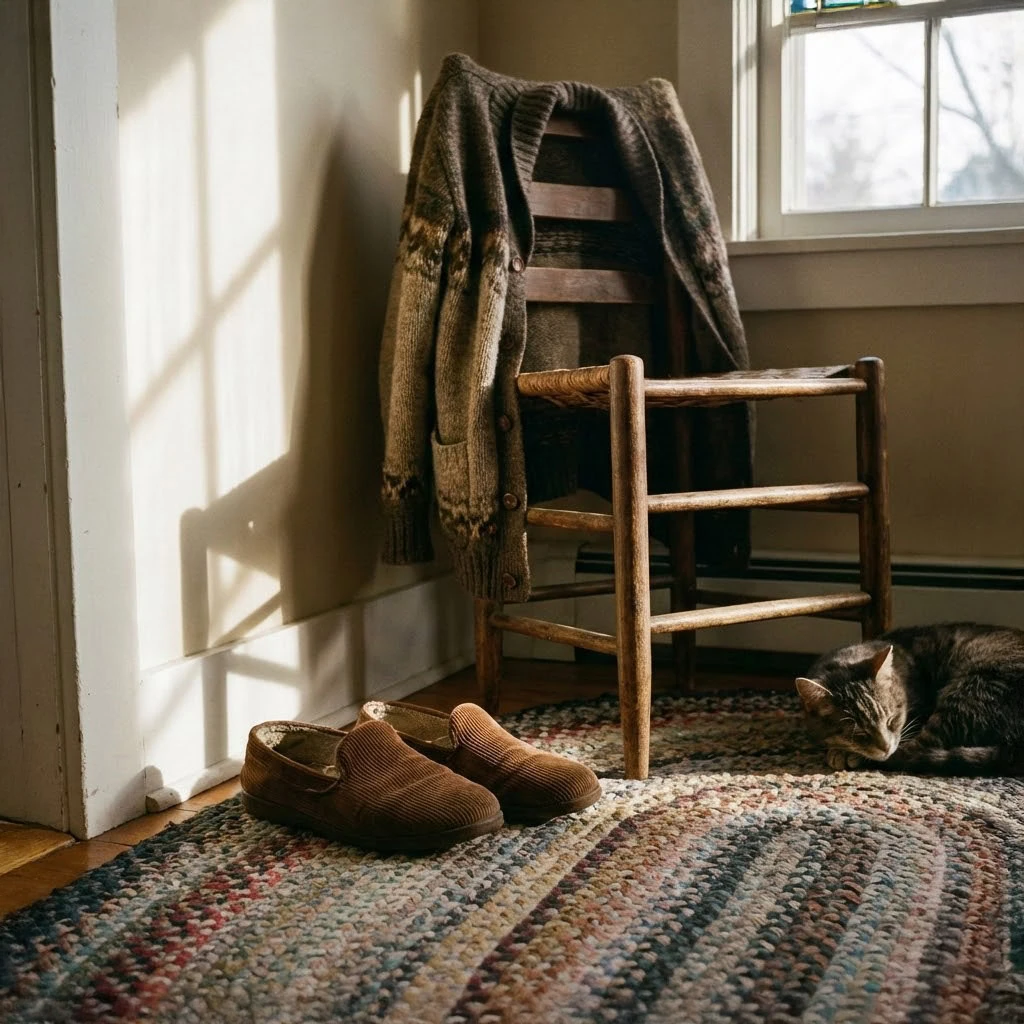
You didn’t lounge in your school or work clothes. As soon as you walked in the door, you changed.
“Good” clothes were expensive, so you protected them to make them last years rather than months. If you were wearing your nice slacks, you weren’t sitting on the floor.
27. The Glass Jar Economy
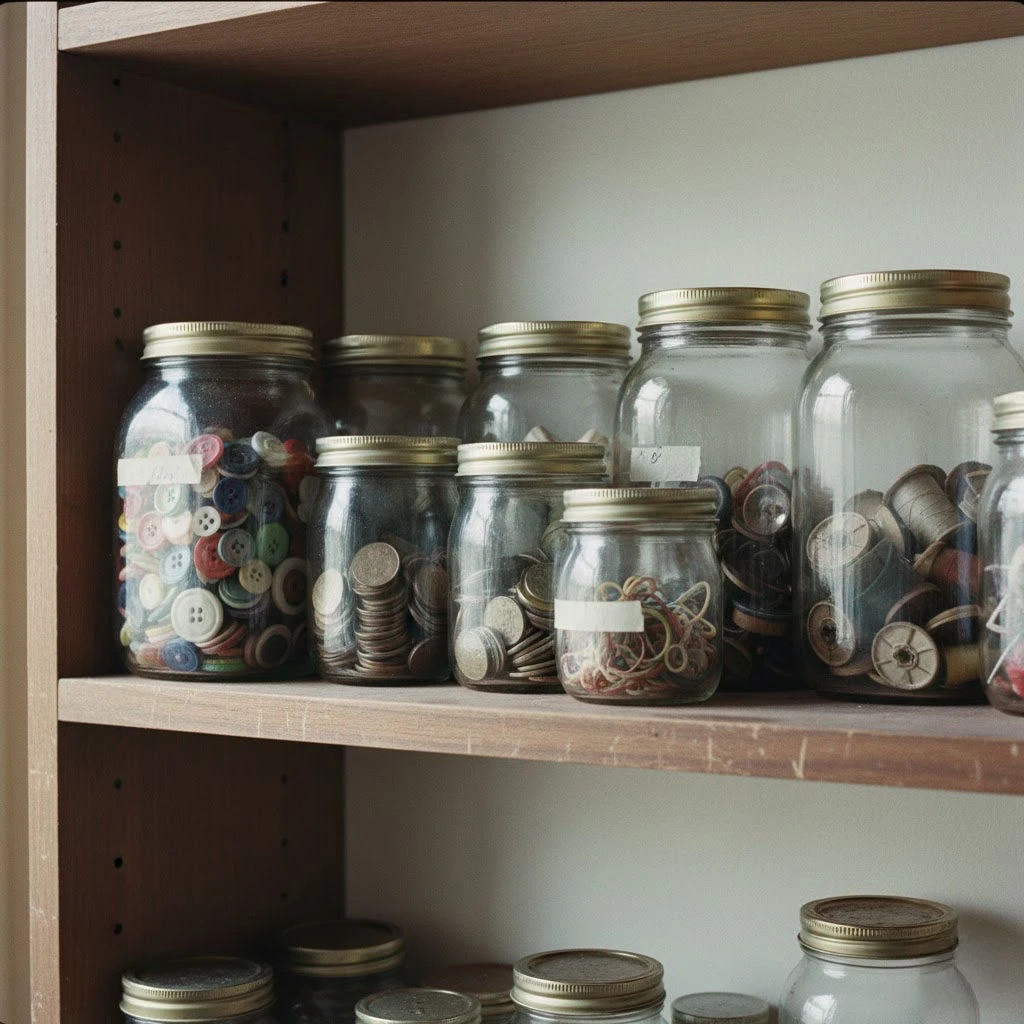
Tupperware was an unnecessary expense when mayonnaise and jam came in perfectly good glass jars. You didn’t buy storage containers. You inherited them with your groceries.
Every garage had a shelf of jars holding nails, and every fridge had a jar holding soup.
26. The “Dad” Light Switch Rule
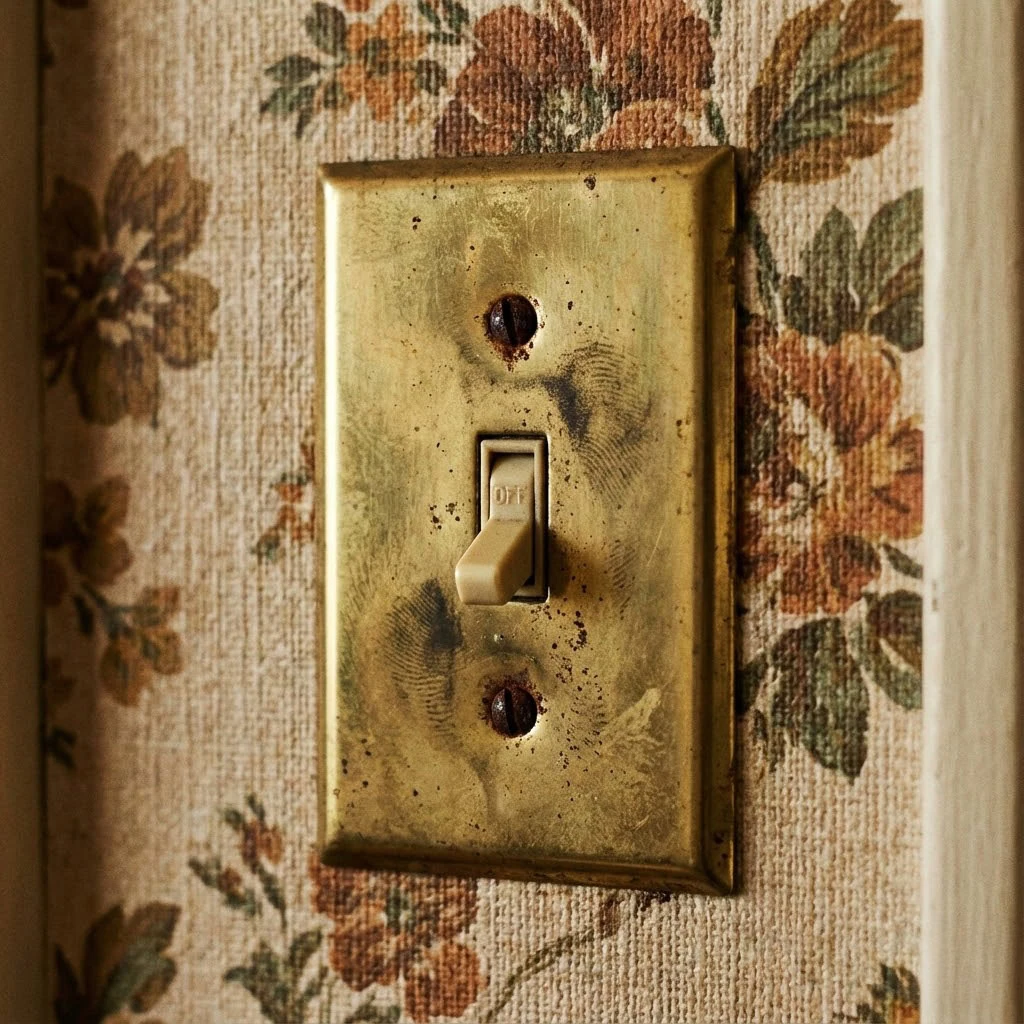
Electricity was a tangible bill that families watched like a hawk. Leaving a light on in an empty room wasn’t an accident. It was a punishable offense.
25. The Cobbler Was a Regular Stop
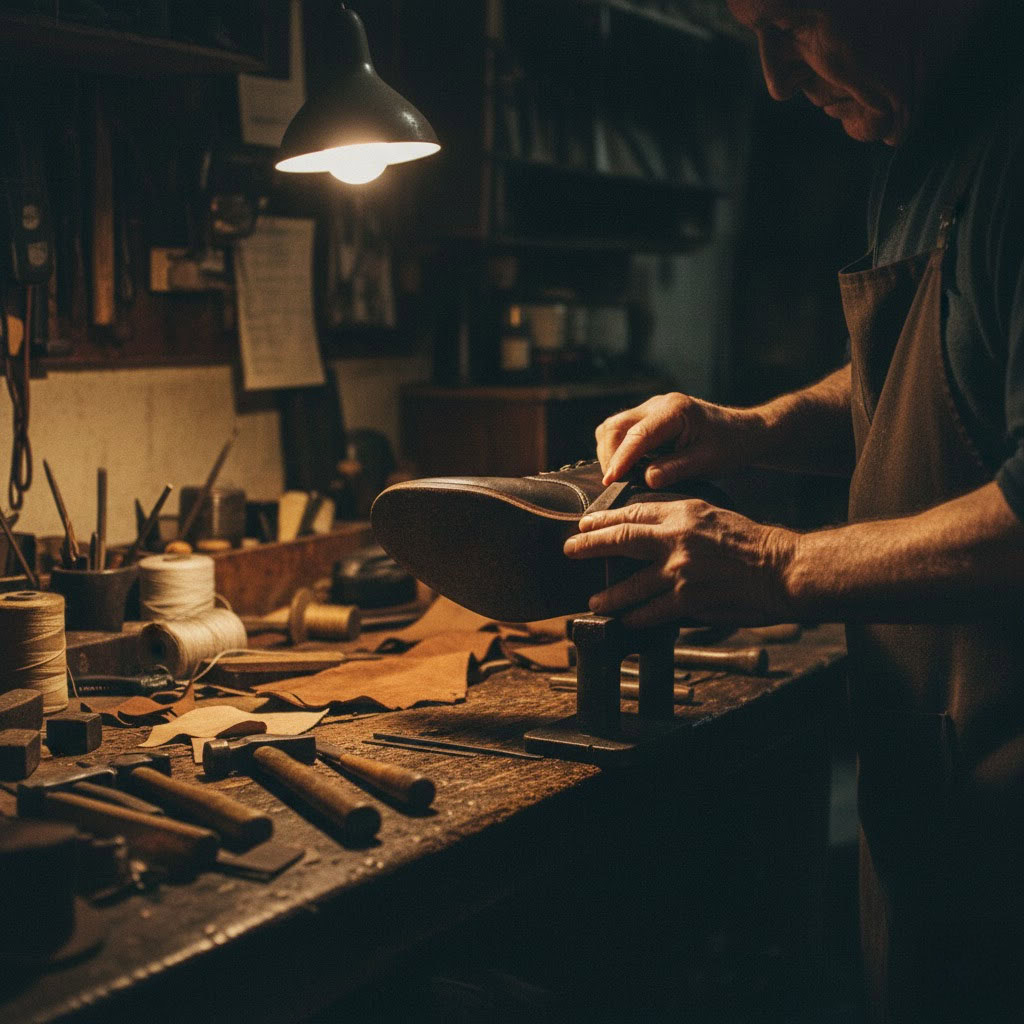
A worn heel didn’t mean the shoes were trash. It meant you paid a few dollars to have them resoled.
Good leather was an investment. You maintained your boots the same way you maintained a car.
24. The “Musgo” Meal
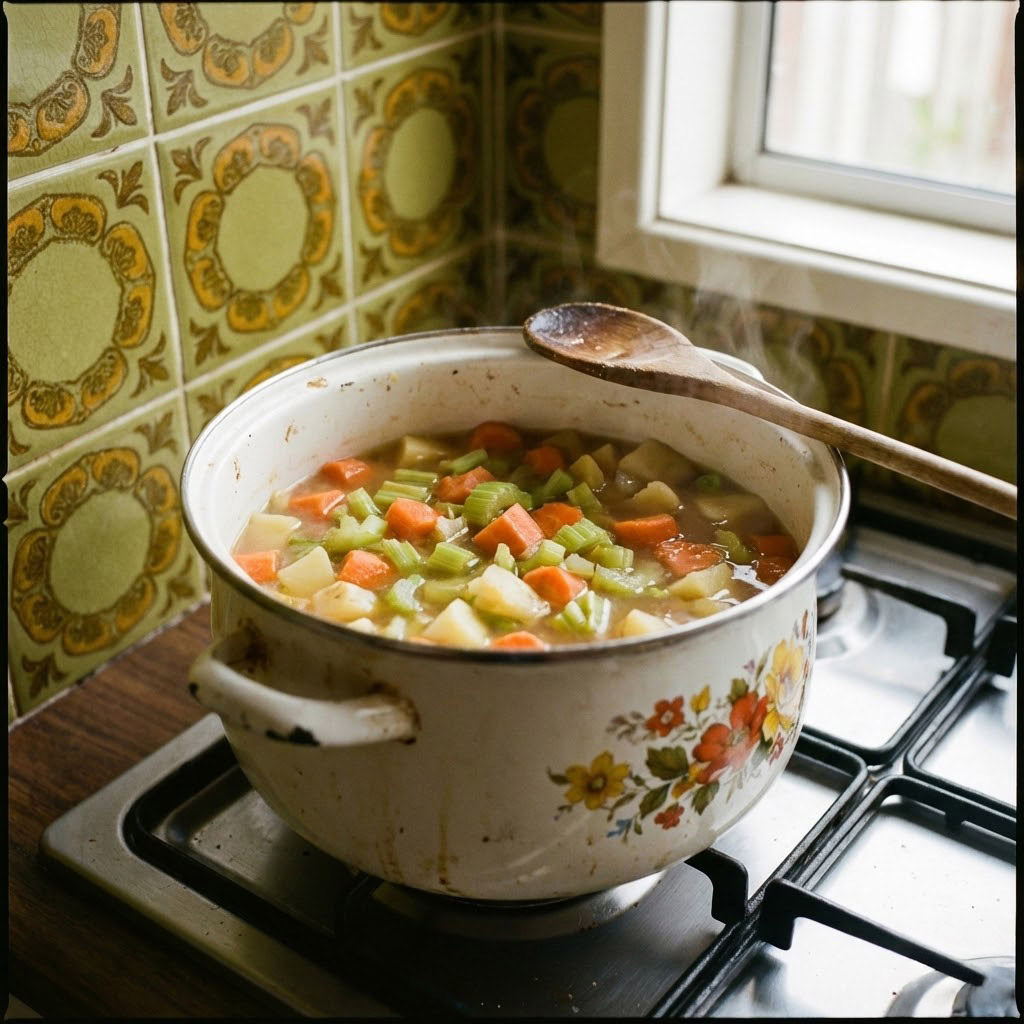
In many houses, this was the “Must Go” night. At the end of the week, the wilting celery and the last half-cup of peas went into a soup or casserole.
It wasn’t gourmet cooking, but it was effective inventory management.
23. The Newspaper’s Second Life
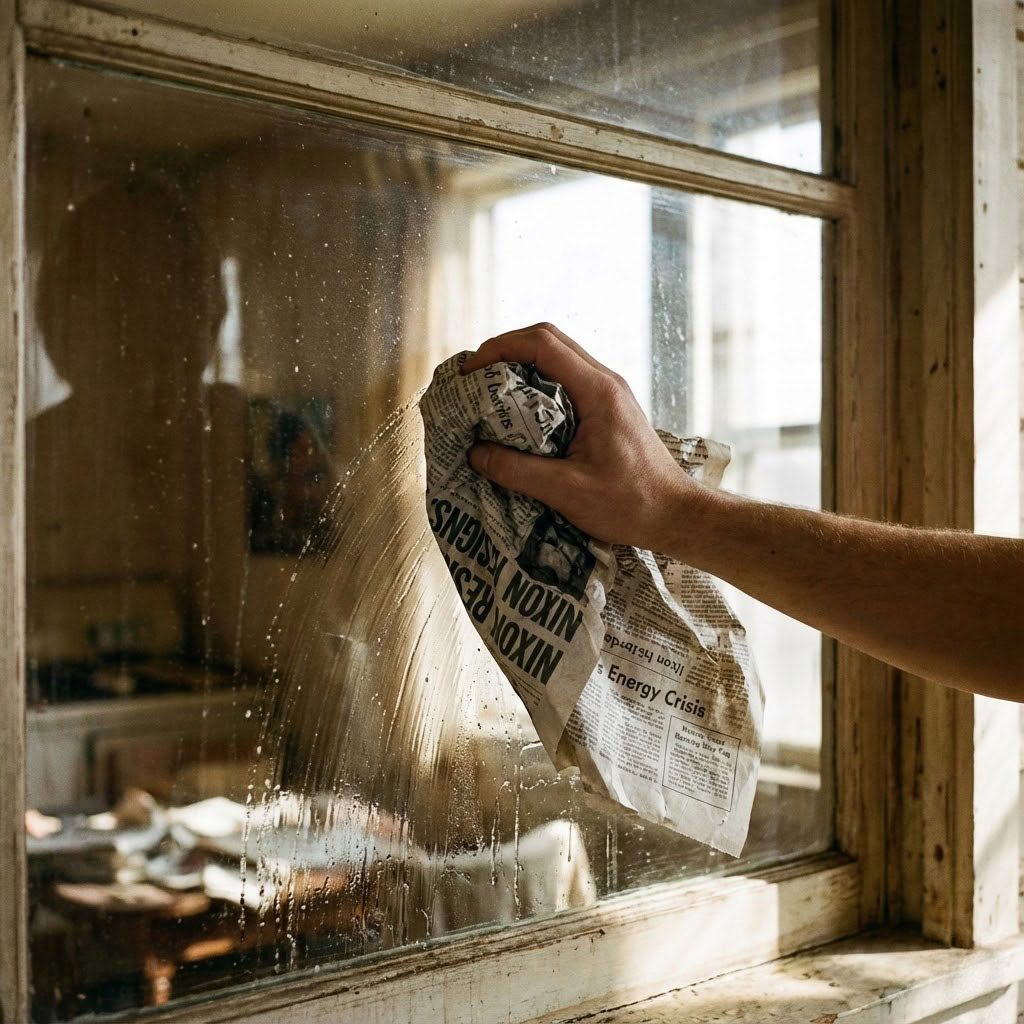
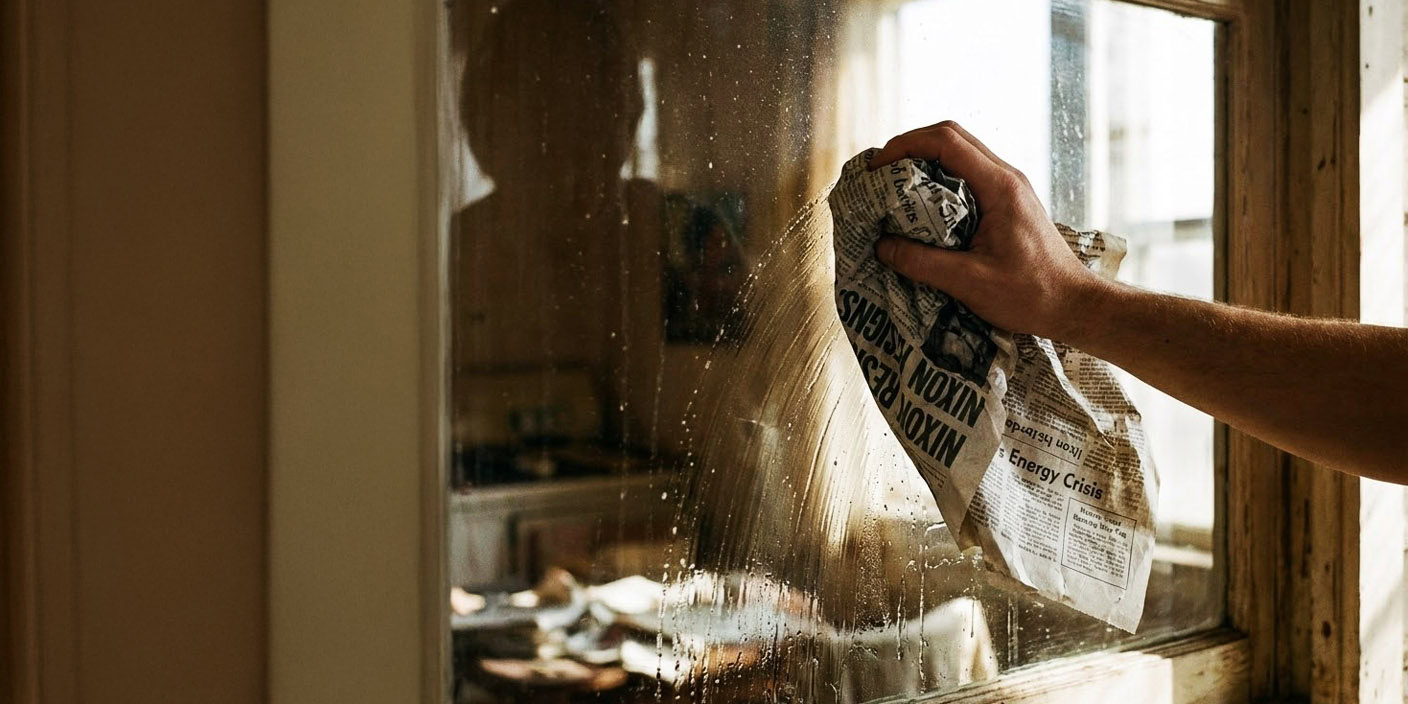
After the news was read, the paper wasn’t done. It cleaned windows without leaving streaks, lined the kitchen bin, or started the fireplace.
One purchase served four different purposes before it ever left the house.
22. The Kitchen Chair Barber
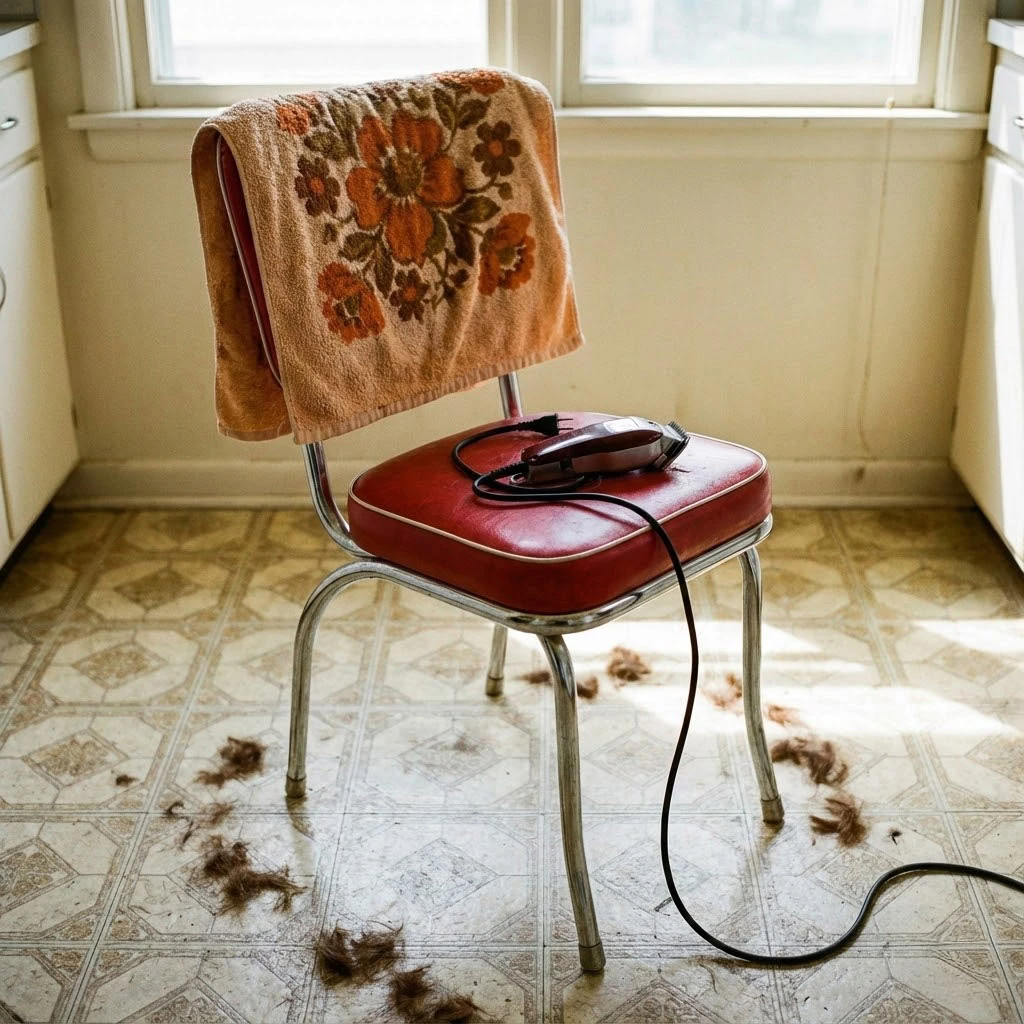
Haircuts happened in the kitchen on a Saturday morning, not at a salon.
The bangs might have been a little crooked, and the clippers might have pulled a bit, but the money stayed in the wallet.
21. Merging the Soap Slivers
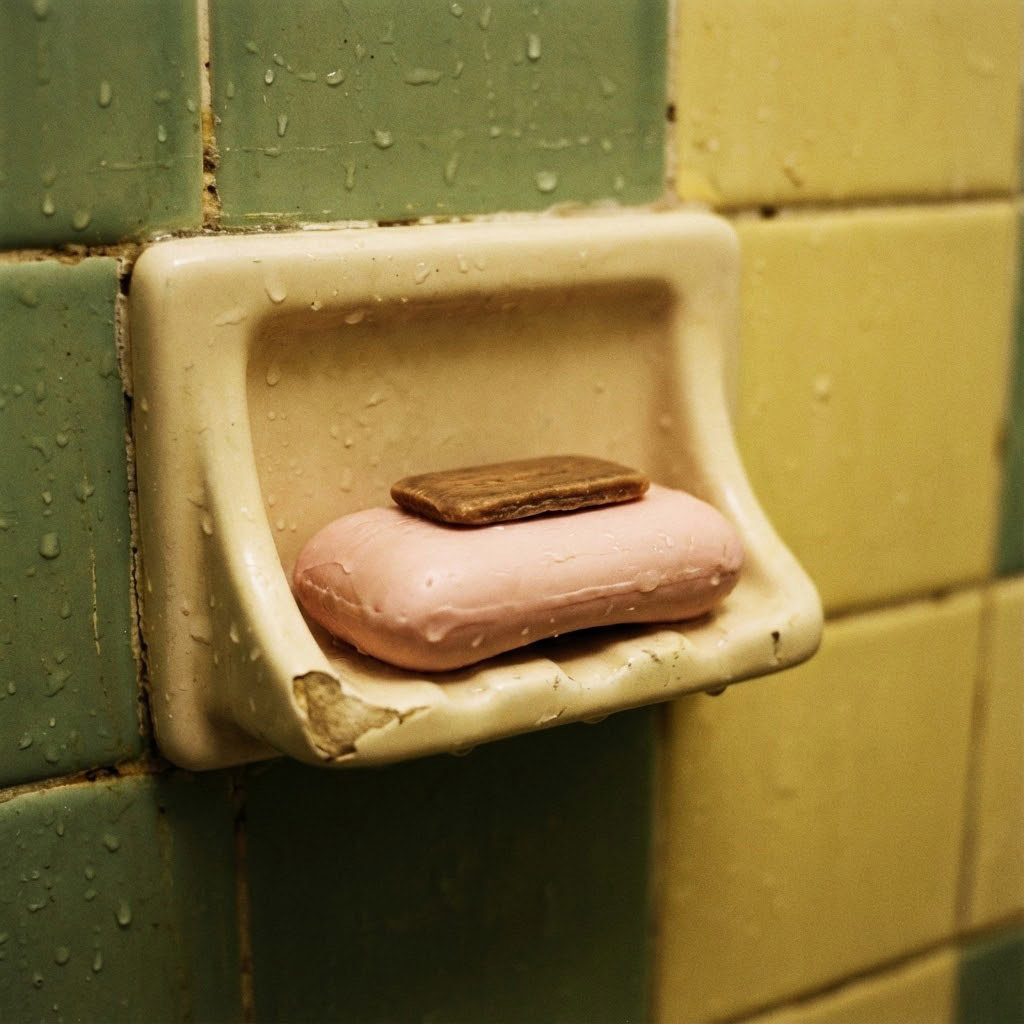
Throwing away that tiny, wafer-thin piece of soap was unthinkable.
Instead, you pressed it firmly onto the new bar in the shower until they fused together. You paid for the whole bar, so you used the whole bar.
20. The Hand-Me-Down Chain
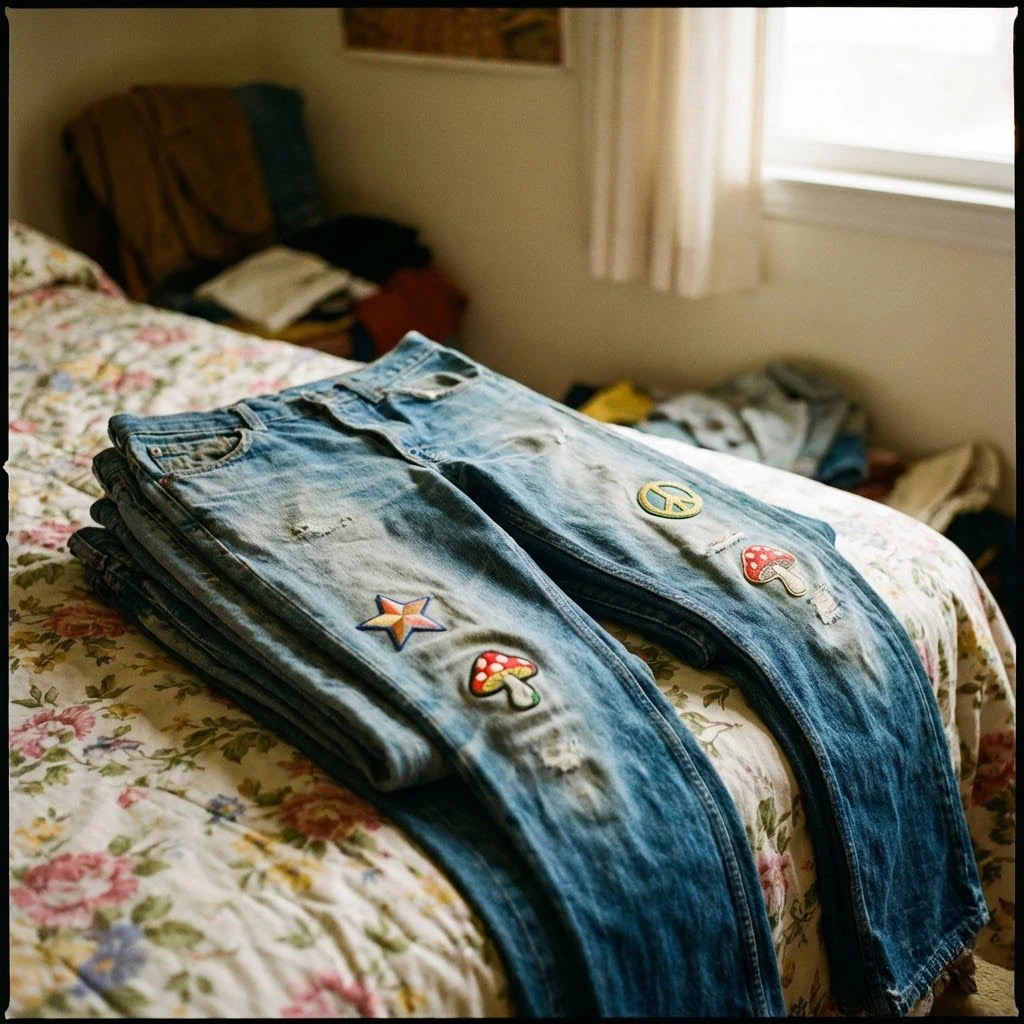
New clothes were for Easter and Christmas. Tuesday clothes came from your older cousin.
Fabric was heavier back then, so a jacket could survive three different kids before it actually wore out.
19. Deposit Bottles Were Kid Currency
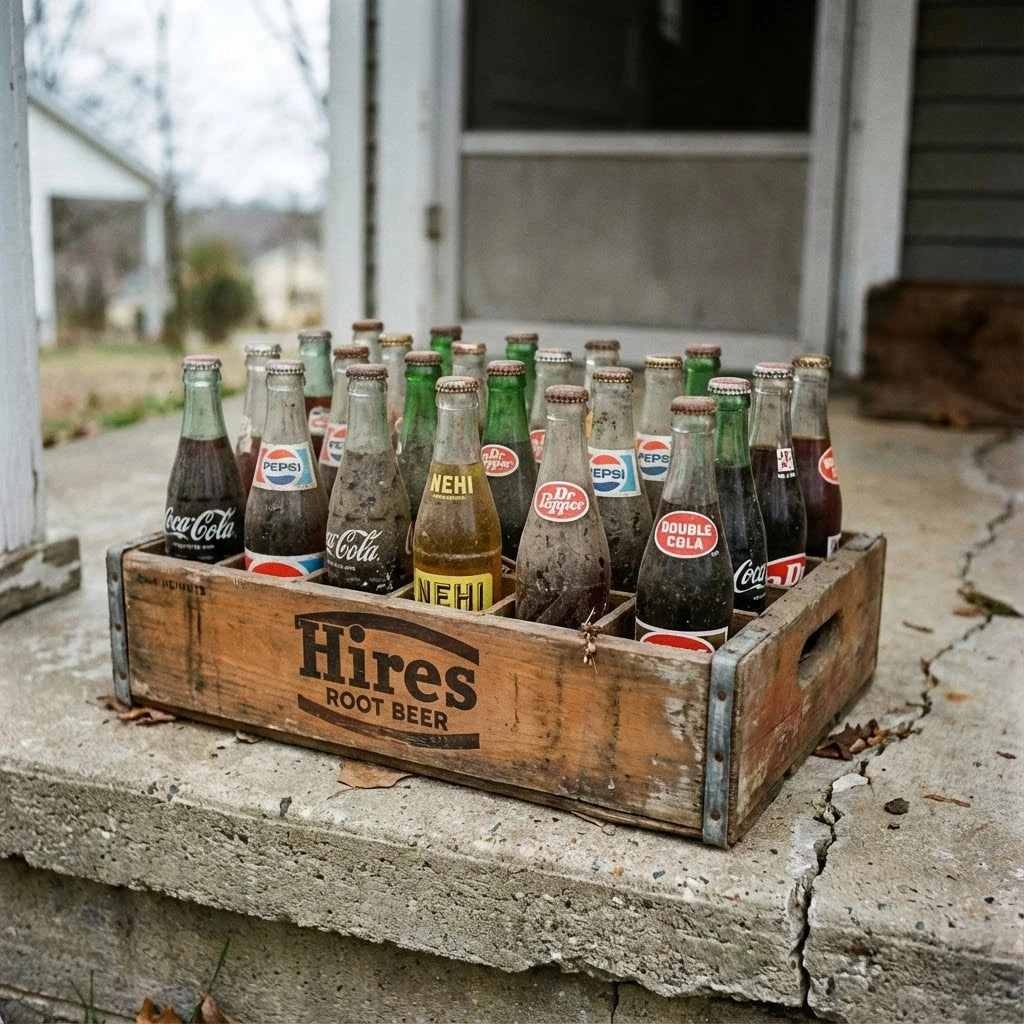
Glass soda bottles were money in the bank. Kids didn’t return them to be “green.” They hunted them down because the refund paid for their candy.
It was the original gig economy for the neighborhood children.
18. The “Draft Snake”
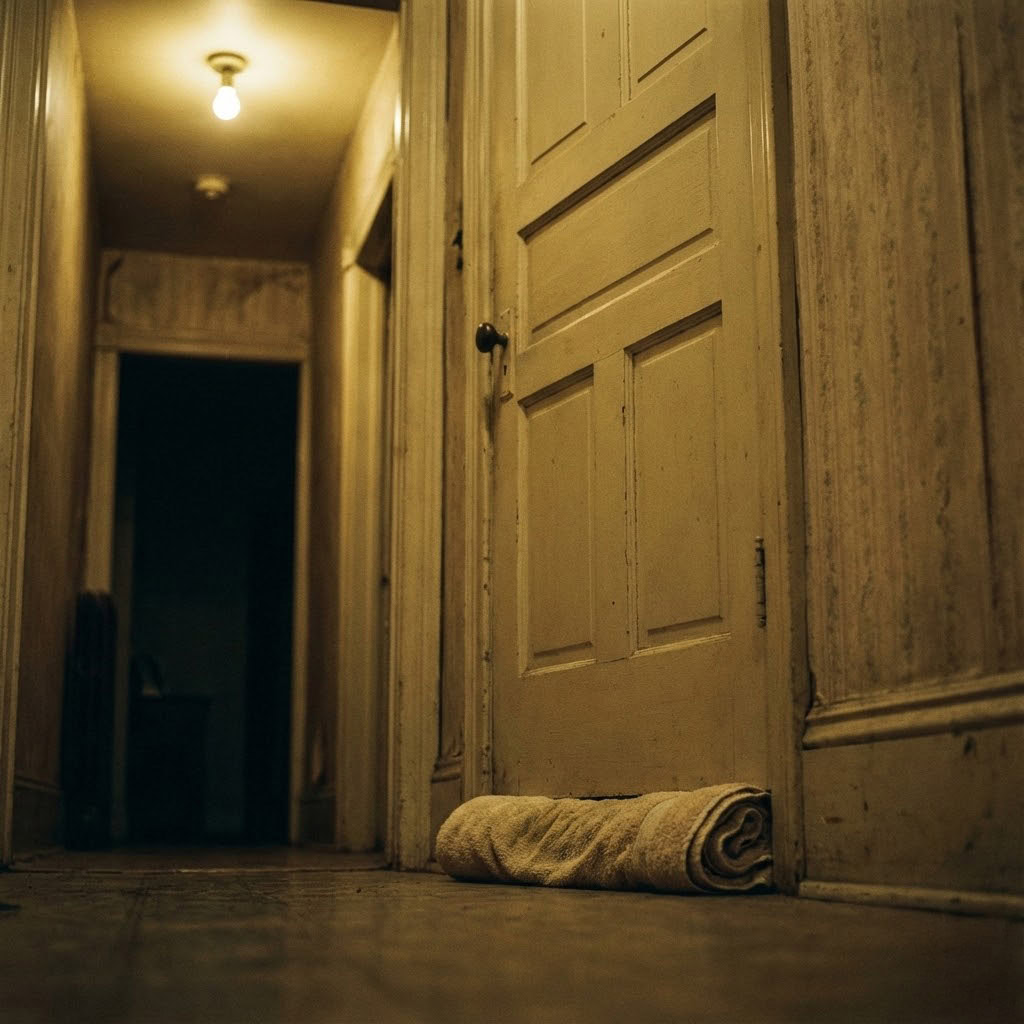
If a room was cold, you didn’t touch the thermostat. You put a rolled-up towel or a fabric tube filled with rice at the base of the door.
The logic was simple: heat the people, not the outdoors.
17. Bulk Buying (The Real Kind)
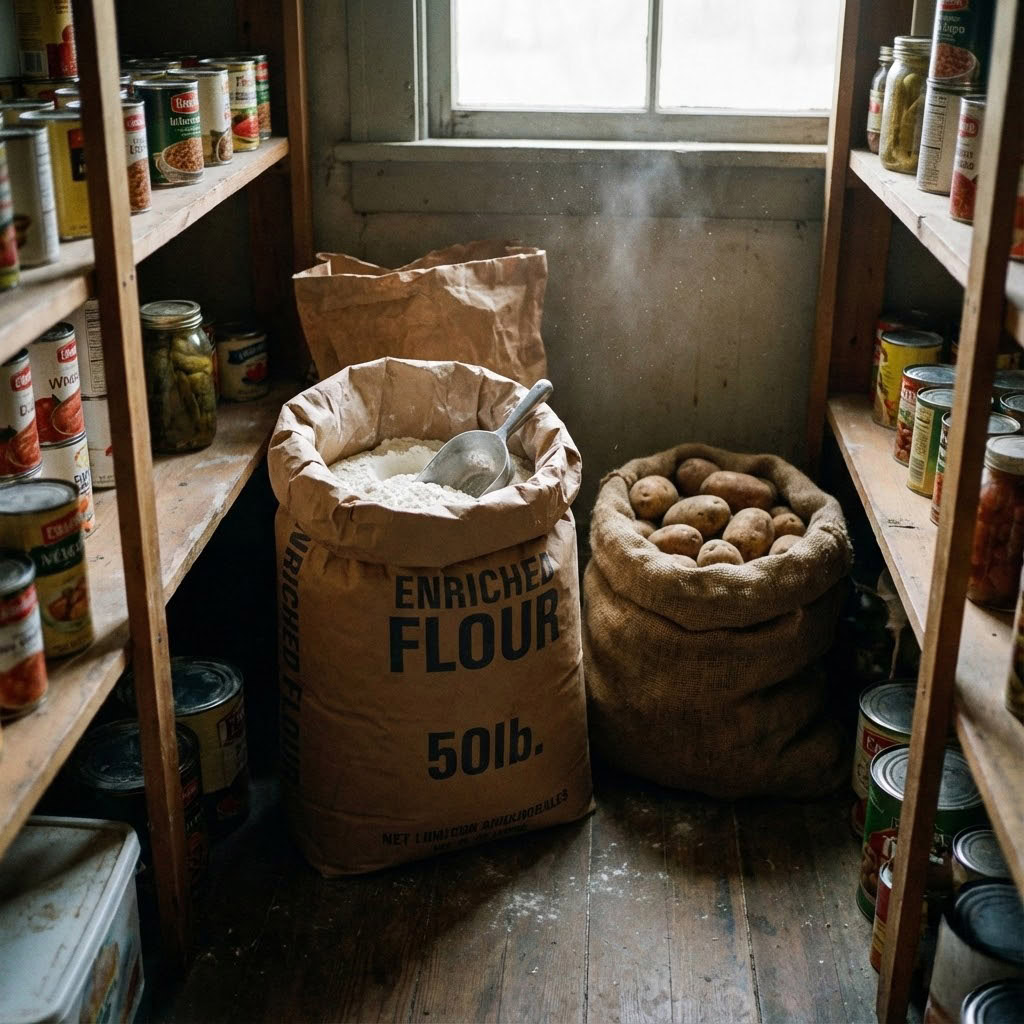
We aren’t talking about Costco packs. We mean fifty-pound sacks of potatoes and flour.
Small packaging cost extra money. Families bought the product, not the cardboard box it came in.
16. The Evening Mending Ritual
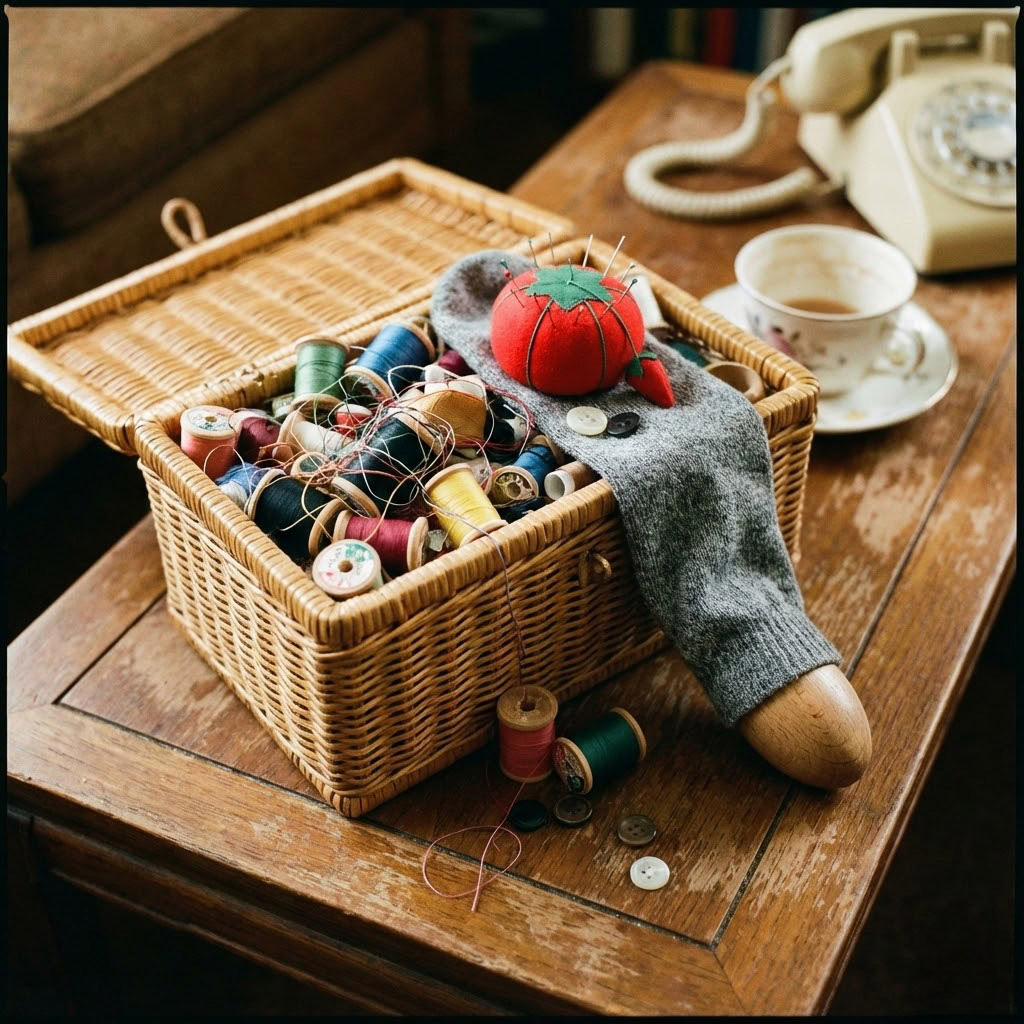
Watching TV wasn’t a passive activity. It was the time to darn socks and patch knees.
If it could be fixed with a needle and thread, it didn’t go in the trash.
15. The Watered-Down Shampoo
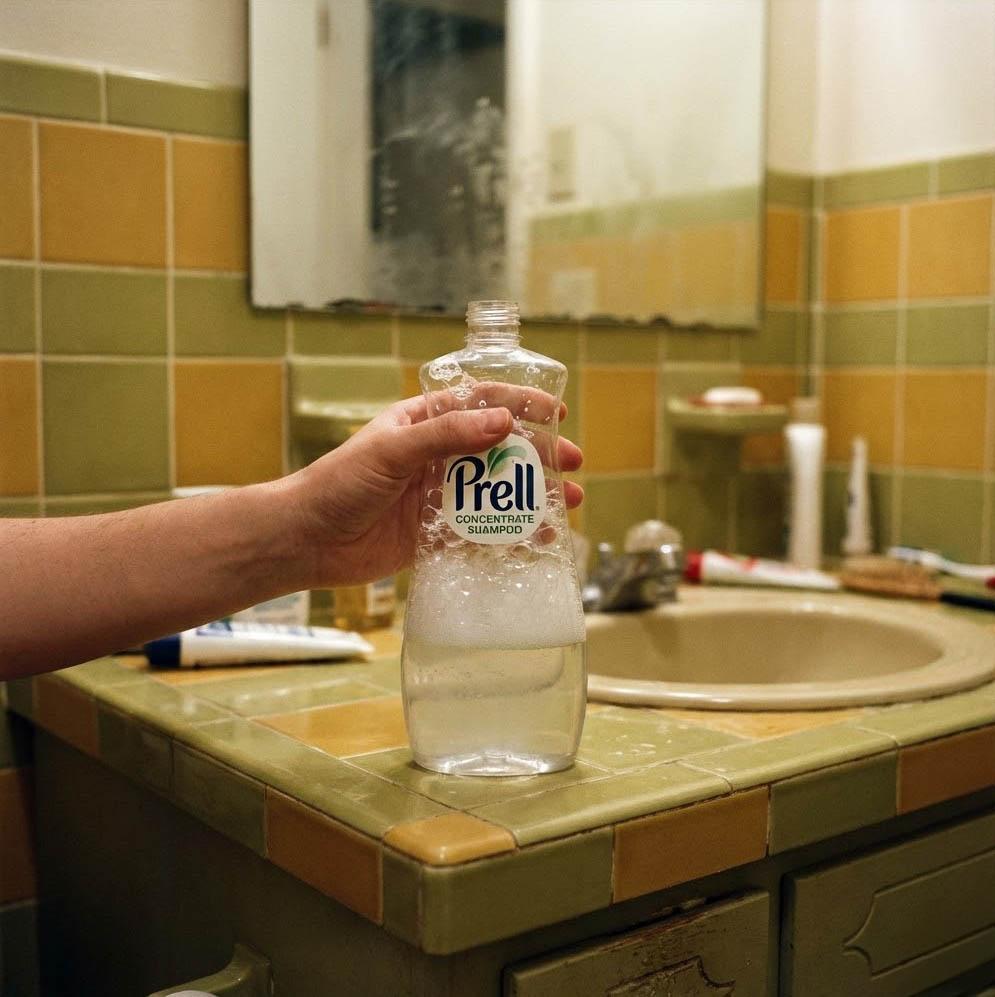
When the bottle sputtered, it wasn’t empty. You added hot water, shook it up, and got another week of suds out of it.
Throwing away a bottle with product still coating the sides felt like throwing away quarters.
14. The Neighborhood Tool Library
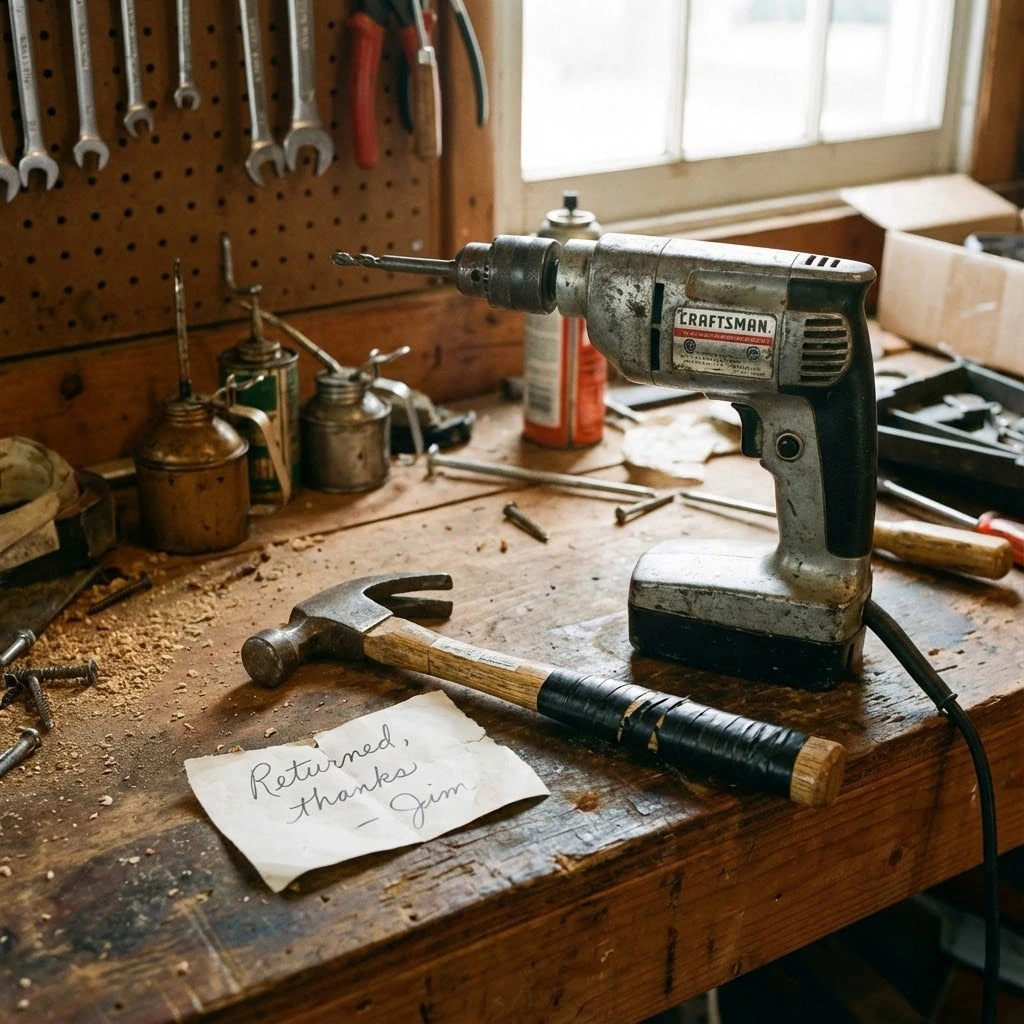
Nobody owned every tool. You owned a ladder, and your neighbor owned a chainsaw.
You borrowed what you needed. Buying a tool you would only use once a year was seen as foolish.
13. The Paper Bag Book Cover
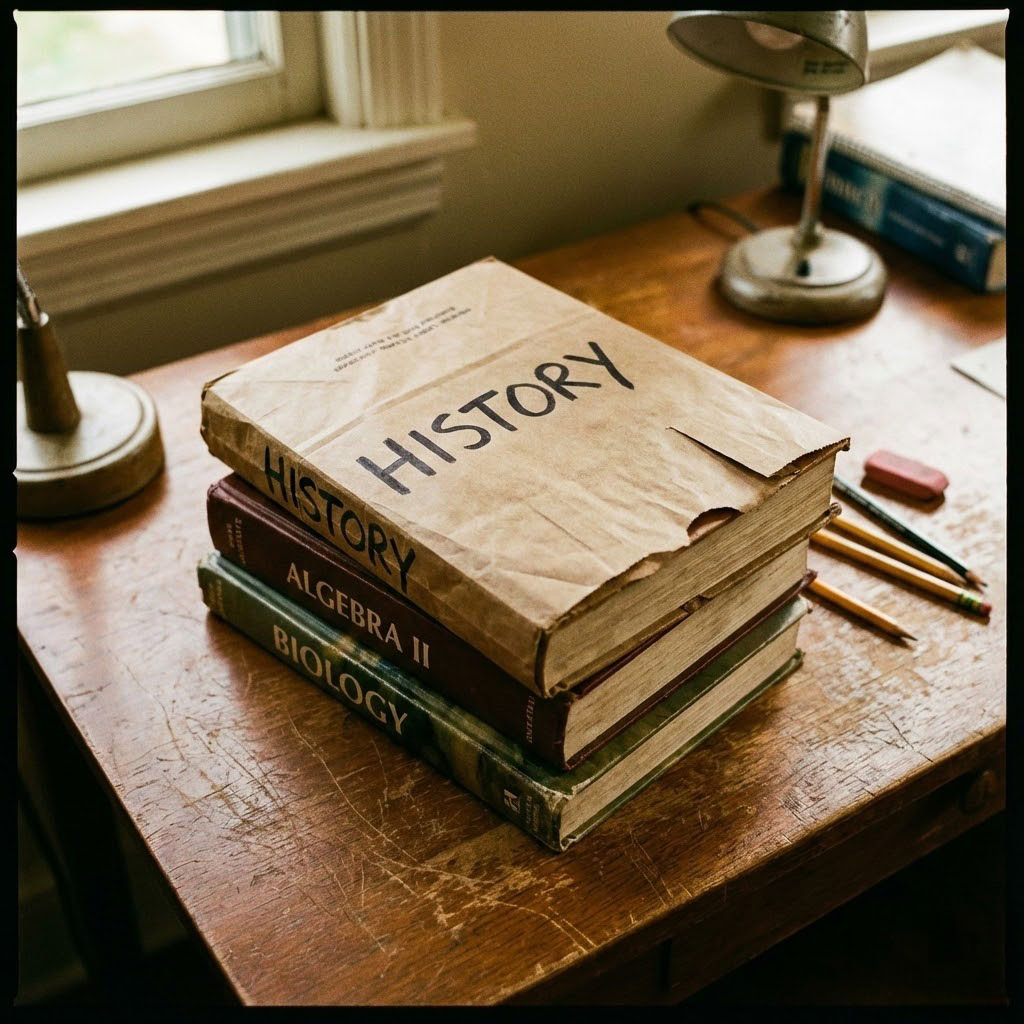
Paper grocery bags were tough. They became trash liners, package wrapping, and most famously, textbook covers for school.
Nothing was single-use unless it literally fell apart.
12. Sweaters Came First
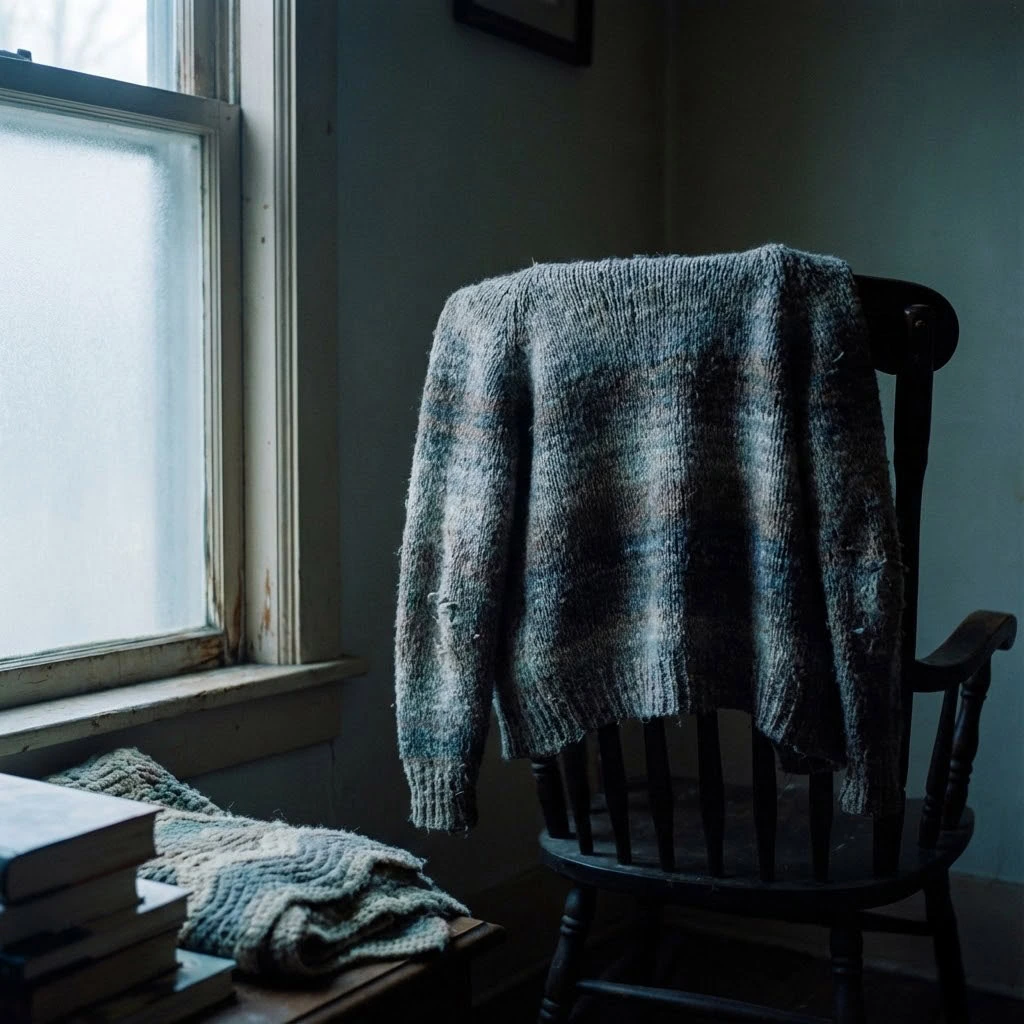
If the house felt cold, the solution was simple. You put on another layer. Heavy sweaters, cardigans, wool socks, and blankets were normal indoor wear during winter.
Heat was treated as expensive and limited. Personal warmth came from clothing, not turning a dial.
11. Refinishing Over Replacing
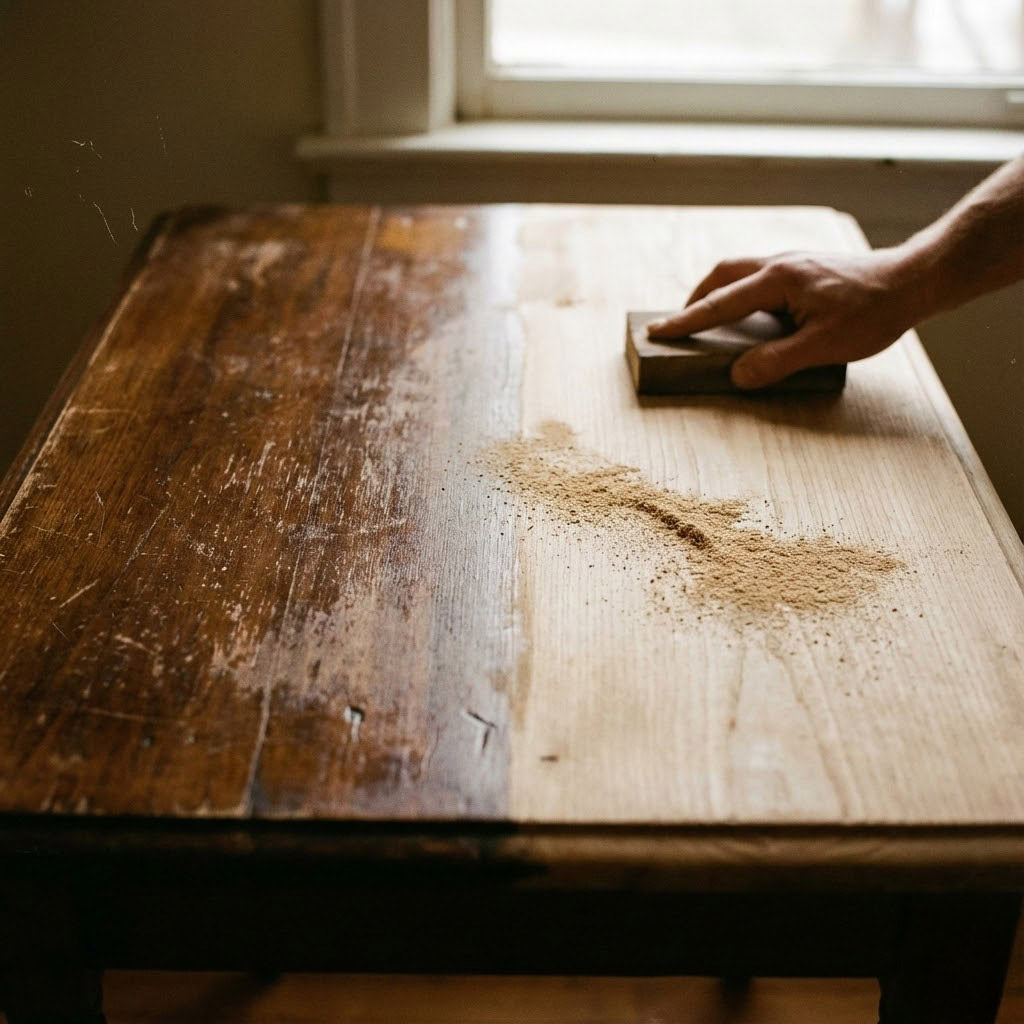
Scratched table? You sanded it. Worn varnish? You restained it.
Furniture was built of real wood and intended to outlive the owner. Waste was visible back then. It showed up on the bill.
10. Greywater Gardening
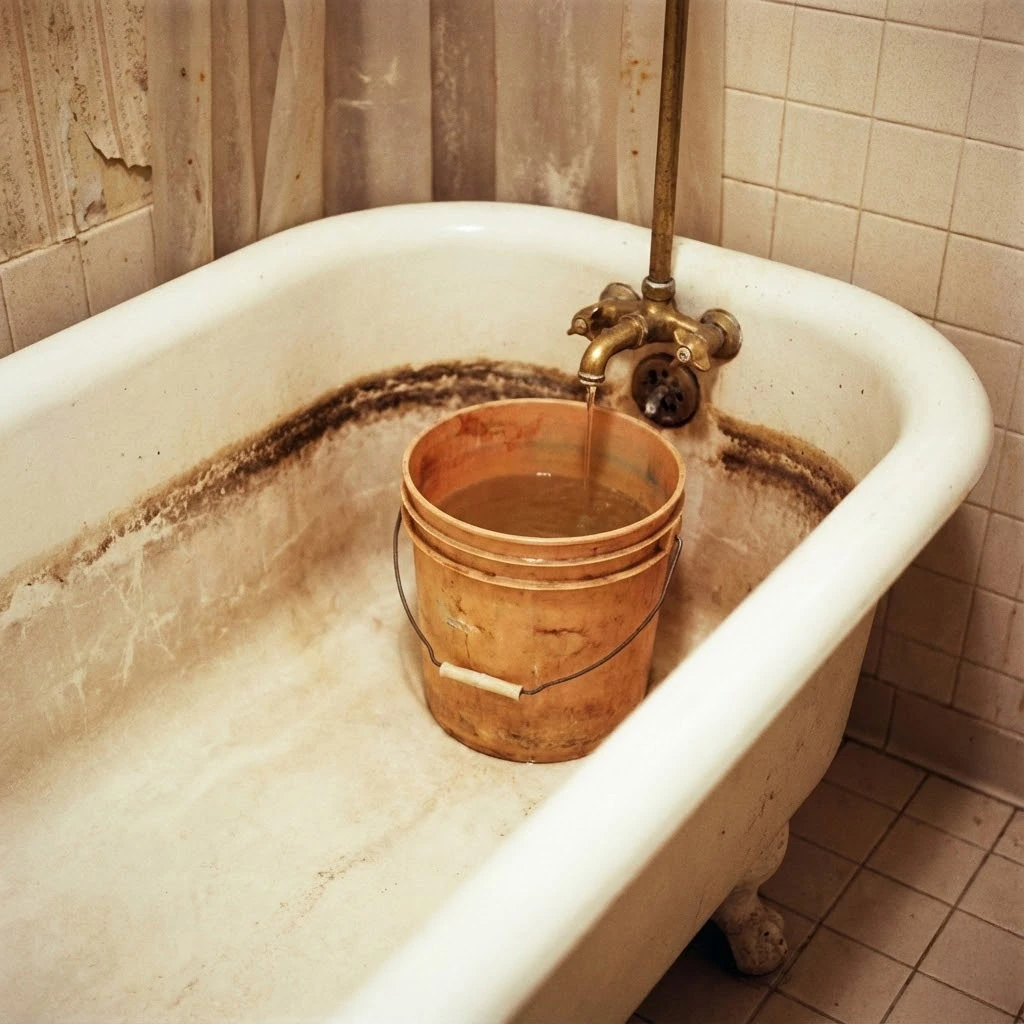
In dry summers, bathwater didn’t always go down the drain. It was often bucketed out to the tomato plants.
Water cost money, and the garden was hungry.
9. Ironing the Gift Wrap
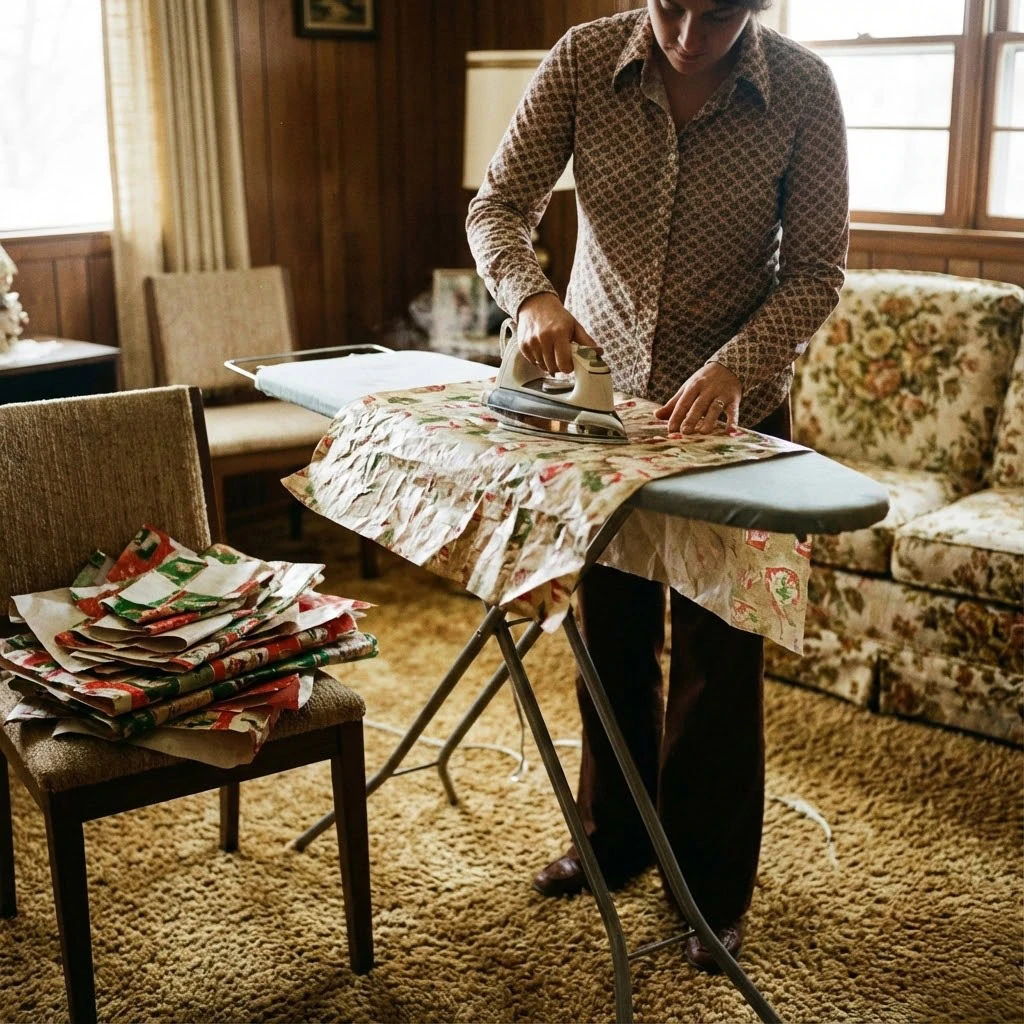
Gifts were opened with surgical precision. The paper was smoothed out, sometimes even ironed flat, and stored for next year.
It became a game to see how many Christmases a single sheet of paper could survive.
8. The Toothpaste Tube Squeeze
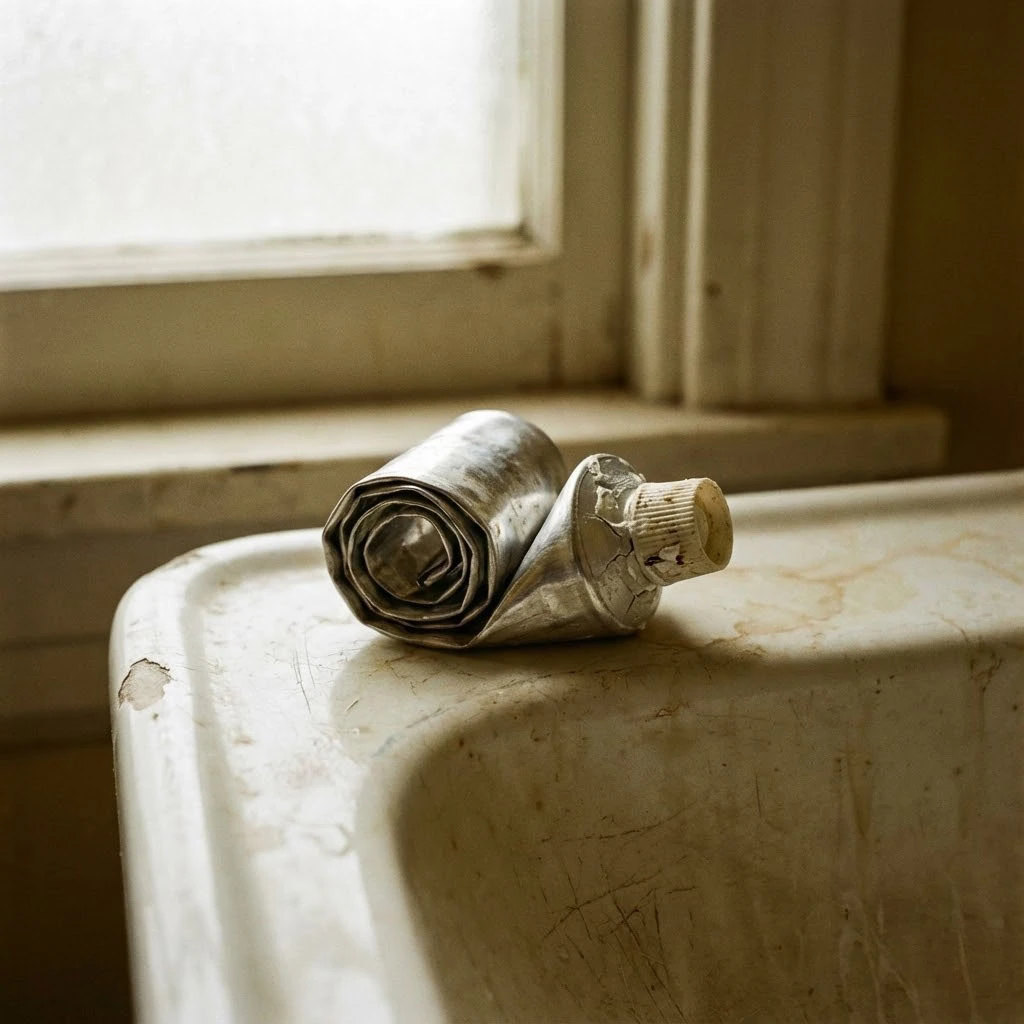
You used the edge of the sink counter to flatten the tube and push every last milligram of paste to the top.
You didn’t buy a new tube until the old one was completely flat.
7. Convenience Was a Trap
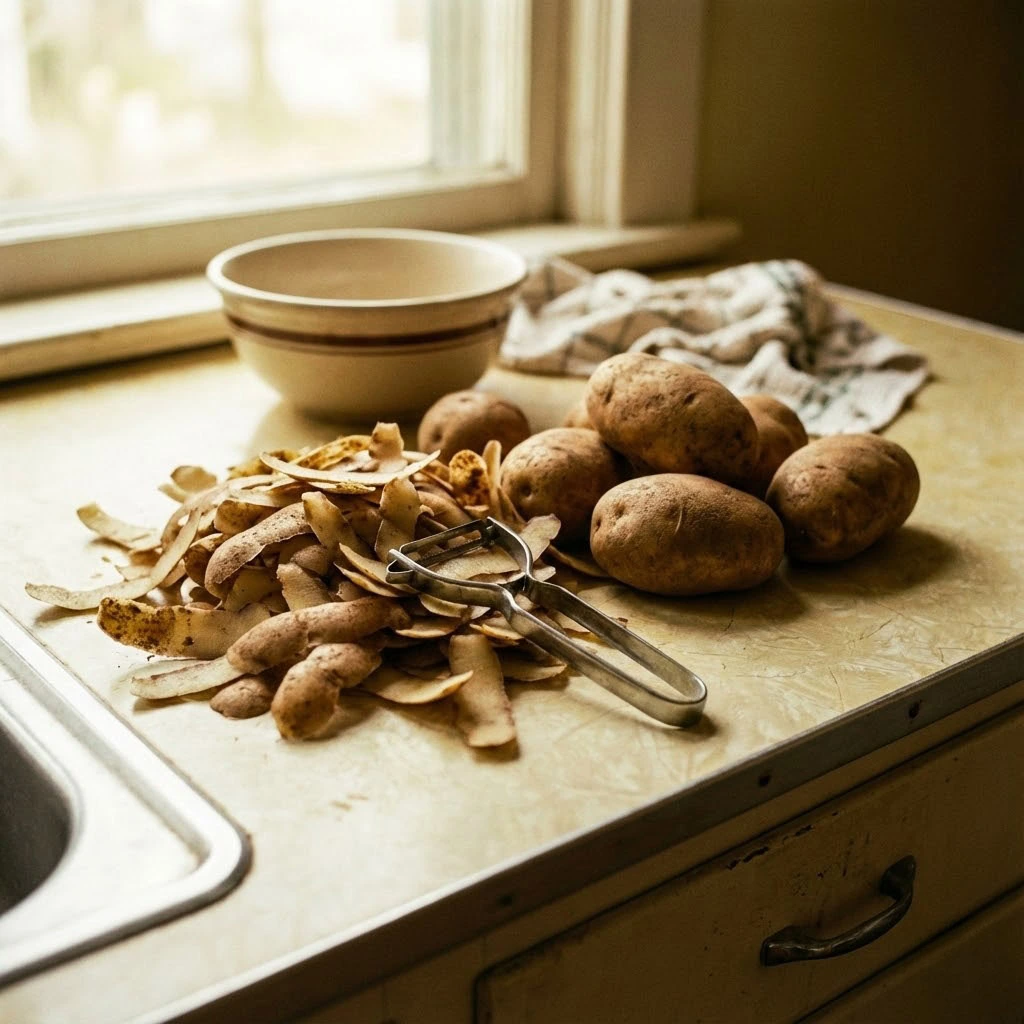
Pre-cut veggies or pre-made patties were viewed as a “lazy tax.”
If you could do it yourself, paying a factory to do it was just throwing money away.
6. Scratch Cooking Was Default
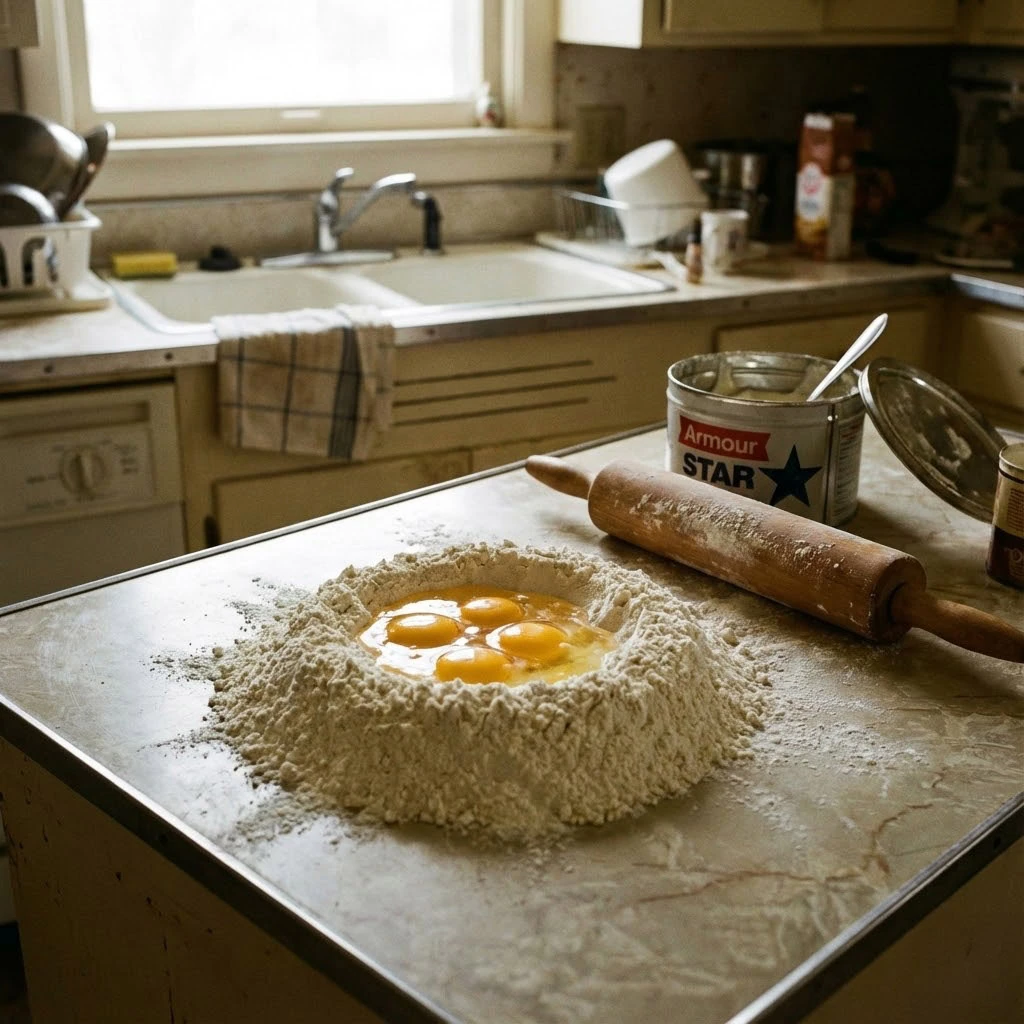
The pantry was full of ingredients, not meals. Flour, sugar, lard, and spices.
Cooking from scratch wasn’t a hobby. It was the only way to keep the budget in check.
5. The Nose Knew Best
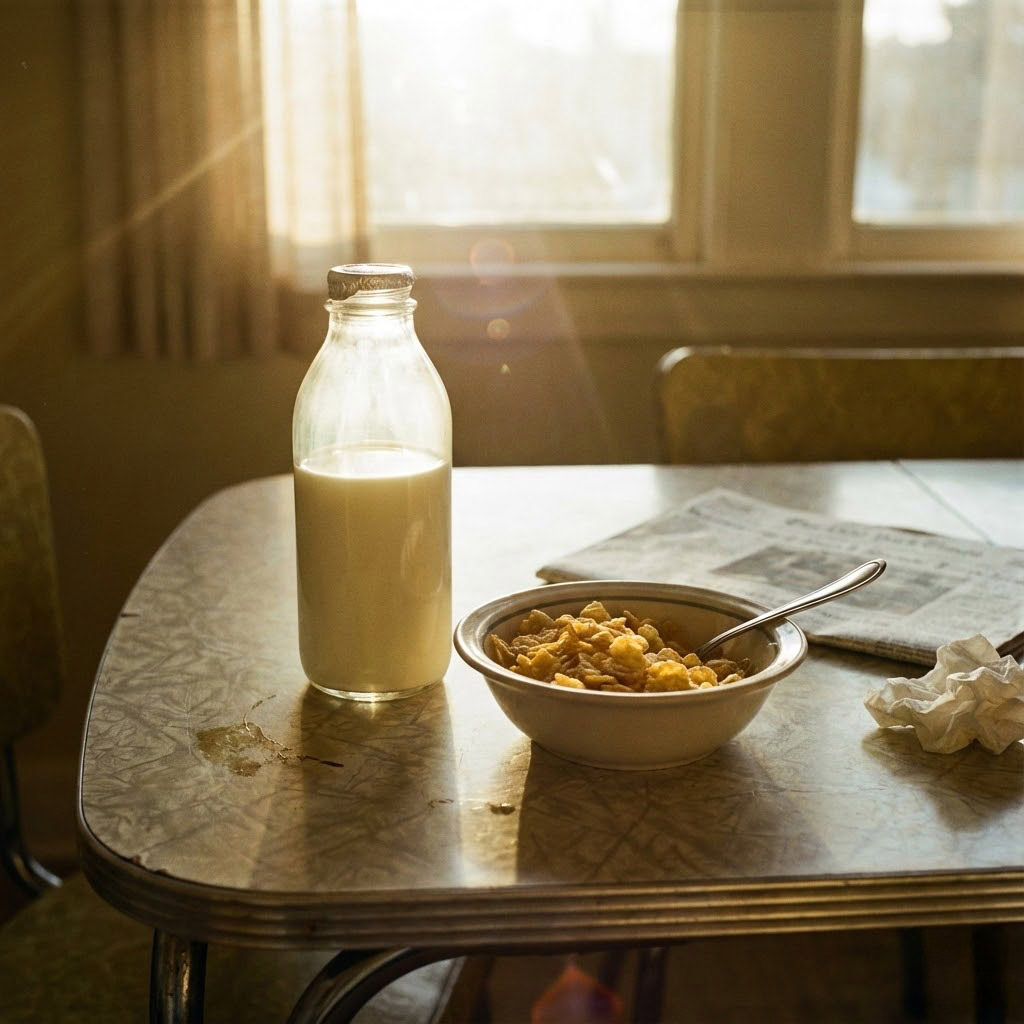
Expiration dates were suggestions, but the “Sniff Test” was the law.
If milk smelled fine, it was fine. We didn’t let a printed date dictate our dinner.
4. The “Rag Bag” Replaced Paper Towels
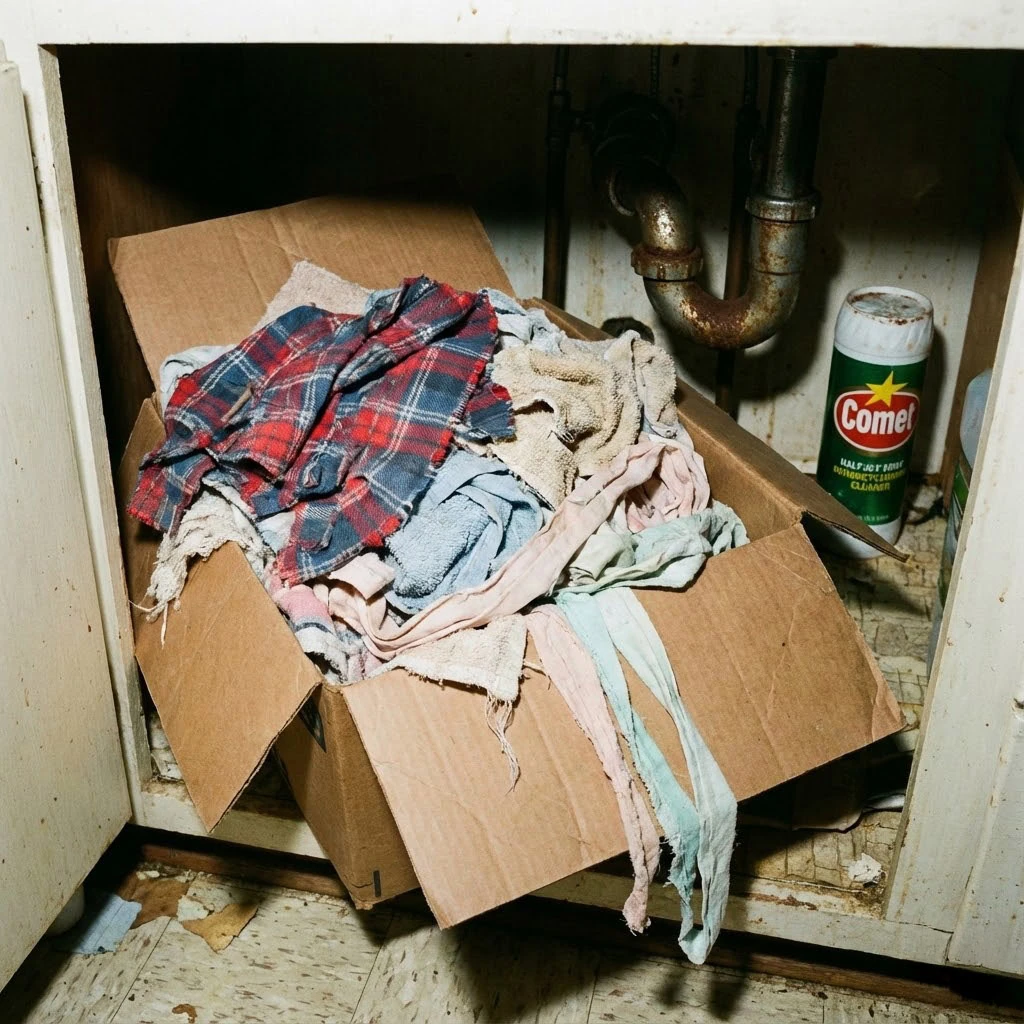
Paper towels were a frivolous expense. Old t-shirts and flannel sheets were cut into squares and used for dusting until they disintegrated.
3. “Liquid Gold” in a Coffee Can
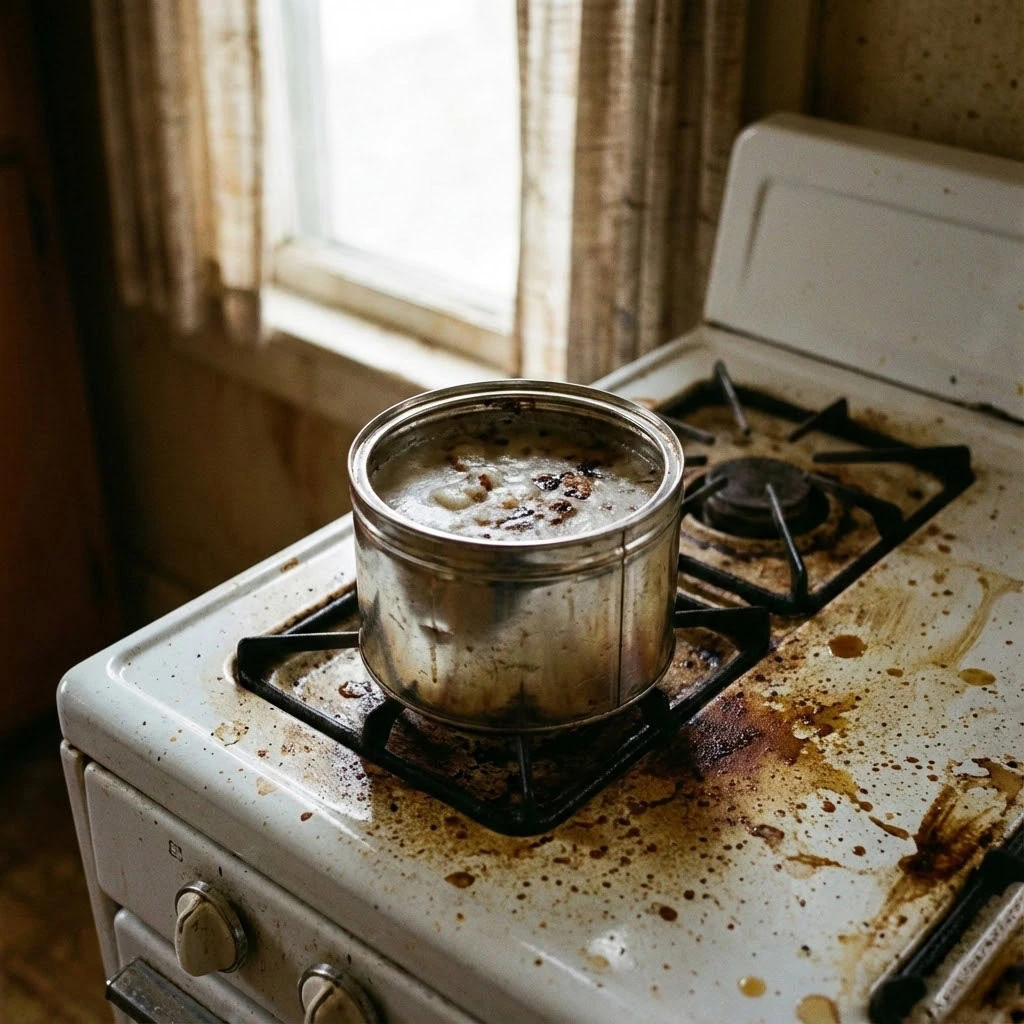
Bacon grease was never thrown away. It was poured into a can by the stove.
It added flavor to eggs and potatoes, and it saved you from buying cooking oil.
2. The Button Tin
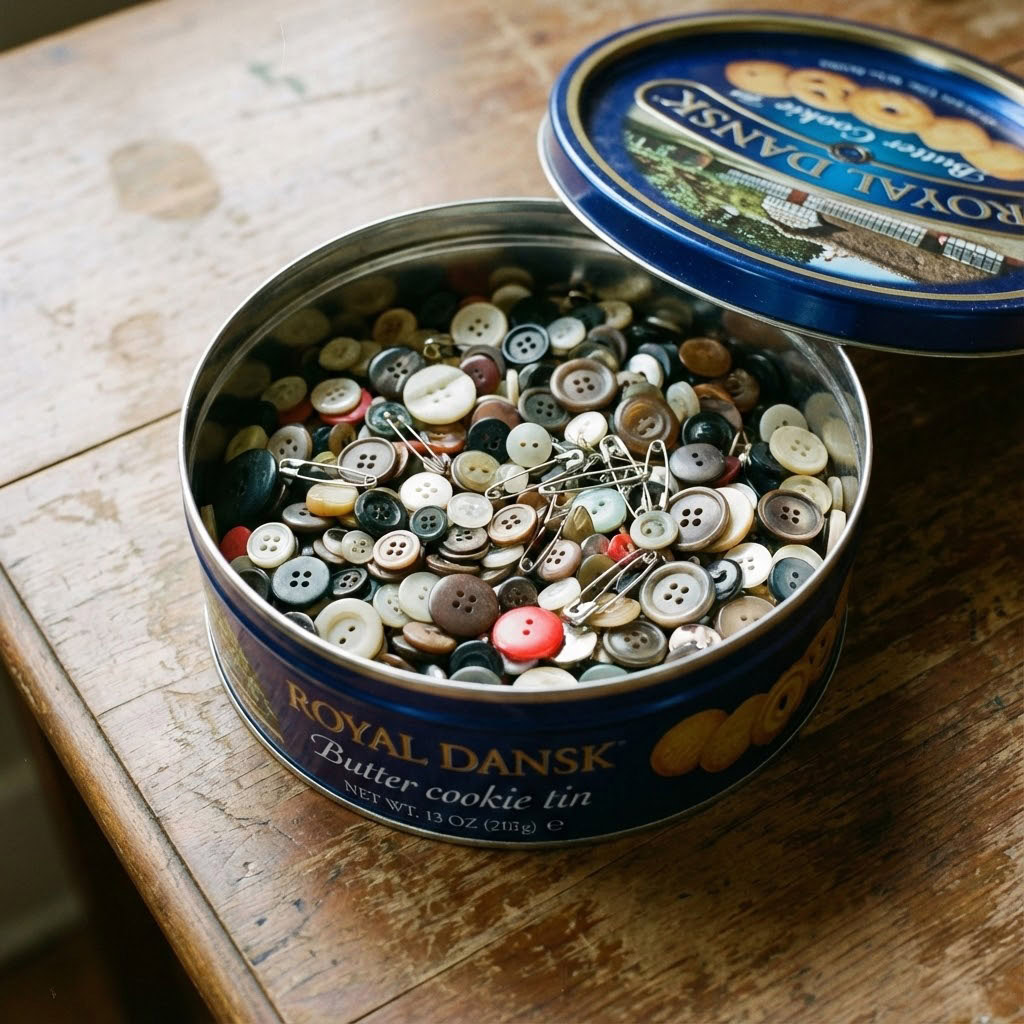
Before a shirt became a rag, the buttons and zipper were cut off. Repairs came from the tin, not the store.
1. The “Make Do and Mend” Pride
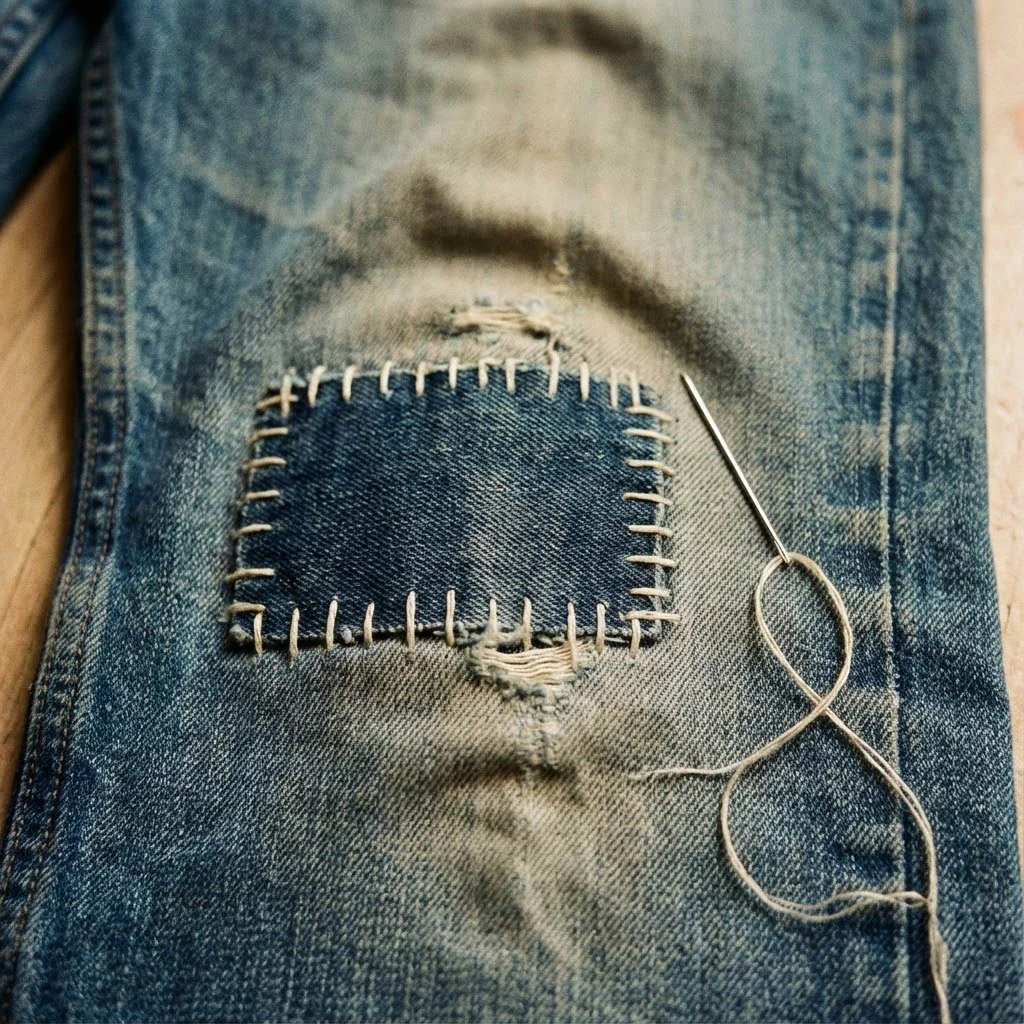
This is the most important one. Using what you had wasn’t a source of shame. It was a source of pride.
It showed you were resourceful, capable, and smart enough to outwit the system.
The Original “Green” Living Was Just Plain Frugality
Long before “sustainability” became a corporate buzzword, it was simply called common sense. We didn’t squeeze every drop out of the tube, patch our jeans, or save jars to save the planet; we did it because we respected what we earned and hated waste.
Today’s “zero-waste” trends are just a fancy repackaging of the daily habits we grew up with. It turns out that living simpler wasn’t just better for the wallet, it was better for everything.
Read more: The 30 Forgotten Habits That Show Older Generations Did Sustainability First