
Today, it can feel like you’re constantly being lectured to about how to live more sustainably. There are expensive eco kits, smart bottles, and tutorials for habits people once learned at home for free.
For those who grew up a few decades ago, none of this is new. Older generations reused, repaired, and made things last because wasting anything felt wrong. These habits came naturally and saved money. If you recognize them, you were doing sustainability long before it had a name.
30. Glass Milk Bottles on the Porch
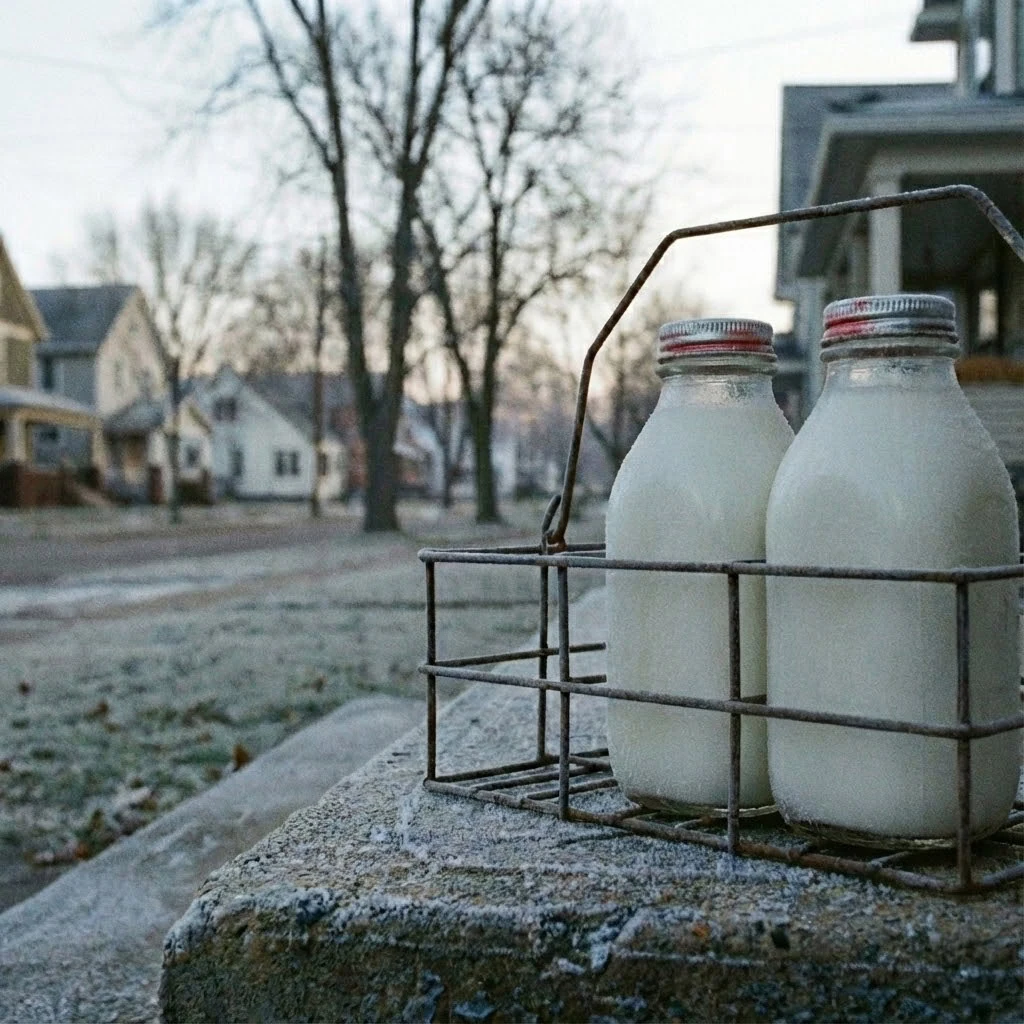
The morning clink of bottles on the doorstep was part of daily life. You finished the milk, rinsed the bottles, and set them back out for the milkman to collect. Those same bottles were washed, refilled, and reused countless times.
Today, recycling programs struggle under piles of plastic. The old milk bottle loop was simple and effective, and it created almost no waste without anyone calling it an environmental effort.
29. Clotheslines That Put Dryers to Shame
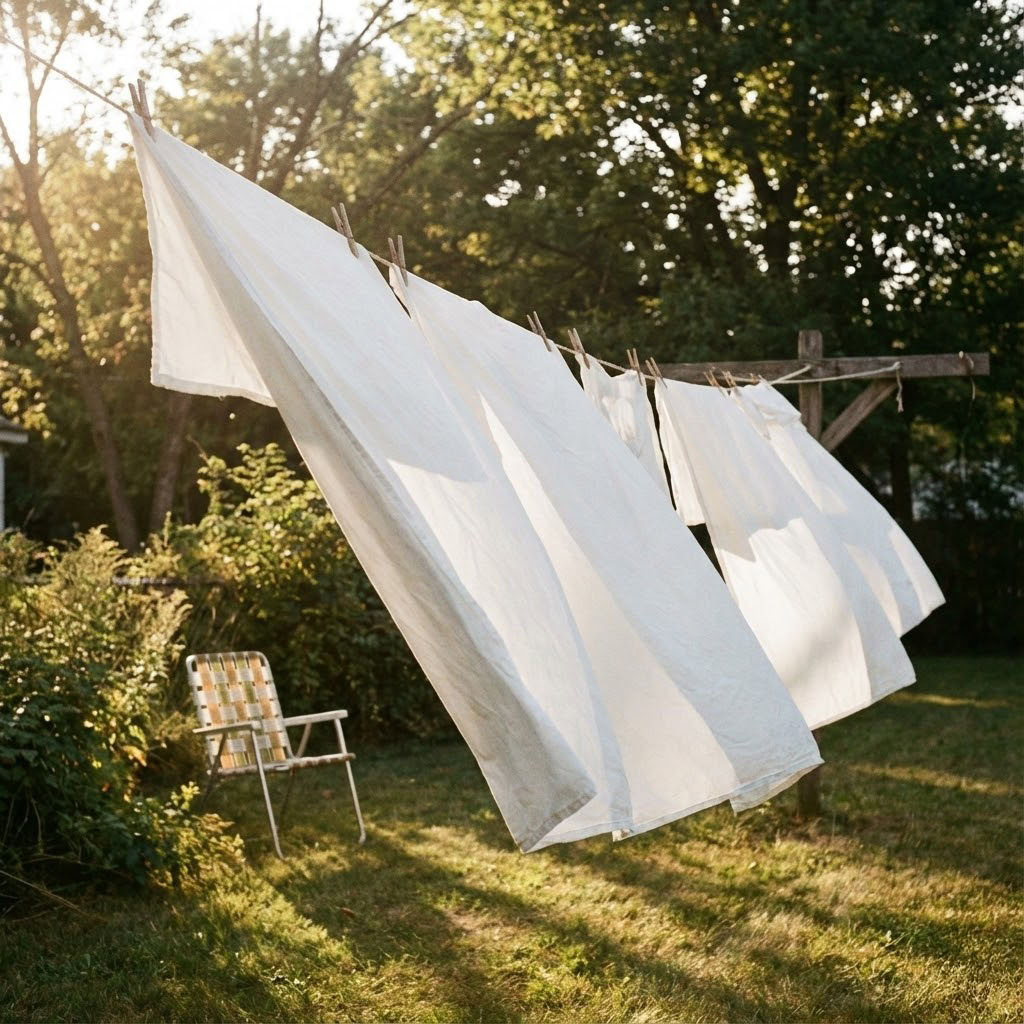
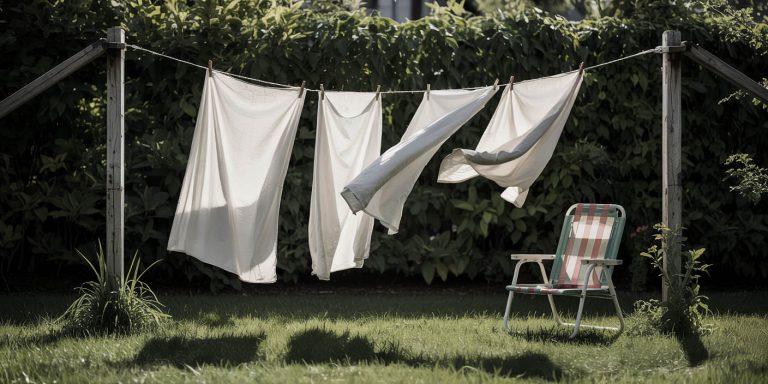
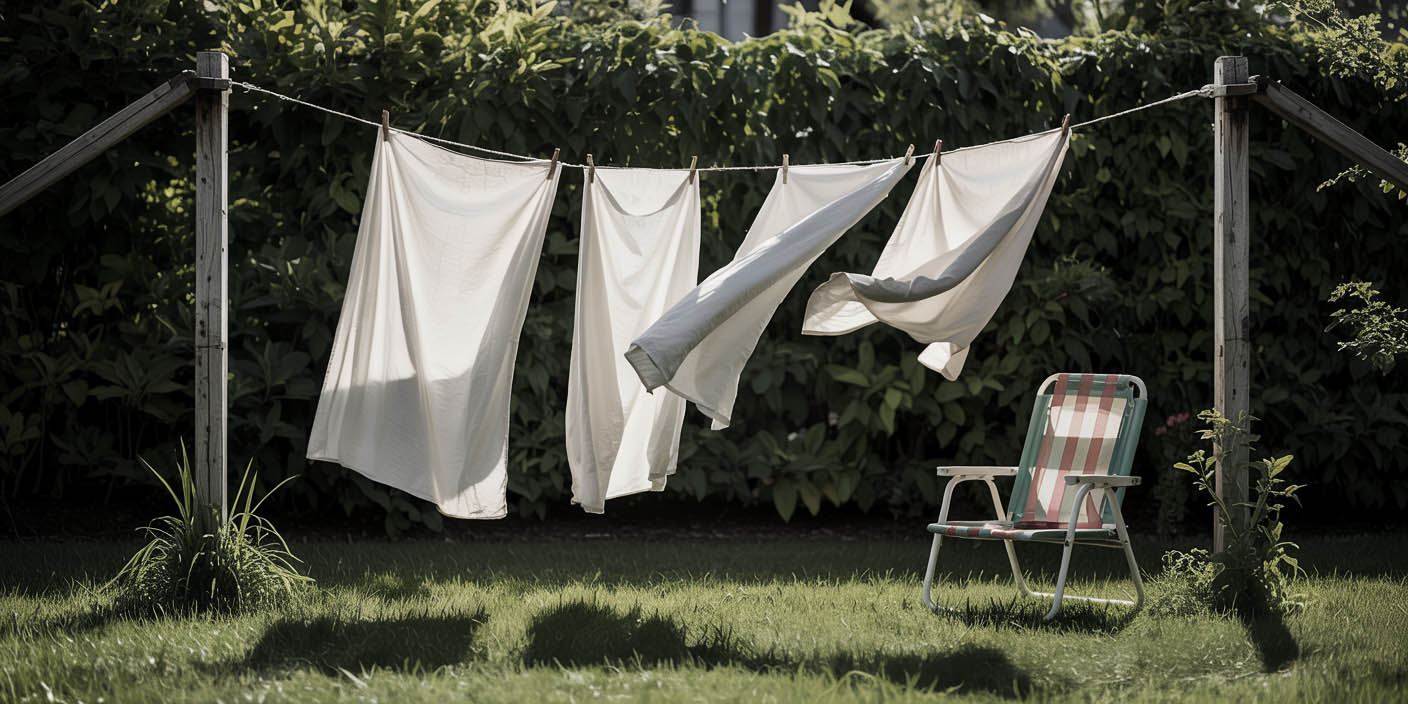
Sheets dried outdoors smelled like fresh air. Sunlight removed stains and the breeze softened fabric without costing anything. It was a chore and a pleasure at the same time.
Now we rely on dryers, chemical scents, and expensive detergents. The sun and wind did a better job for free and kept clothes from wearing out so quickly.
28. Liquid Gold in the Bacon Grease Jar
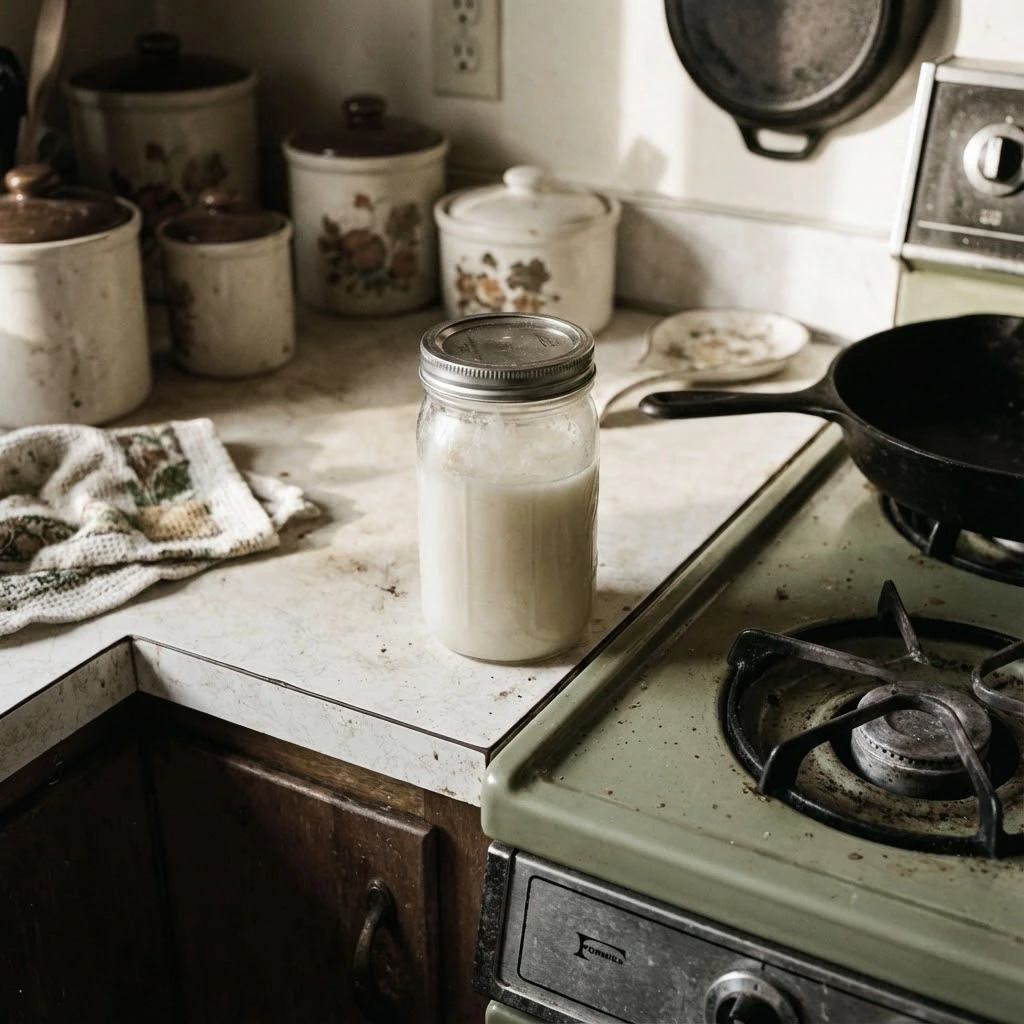
Every kitchen had a jar near the stove filled with saved bacon grease. You used it to flavor beans, fry eggs, or make gravy. Nothing was wasted and every meal tasted richer.
Now store shelves are full of pricey oils and sprays. Earlier generations got more flavor with less waste simply by using what they already had.
27. Cast Iron That Outlived the Cook
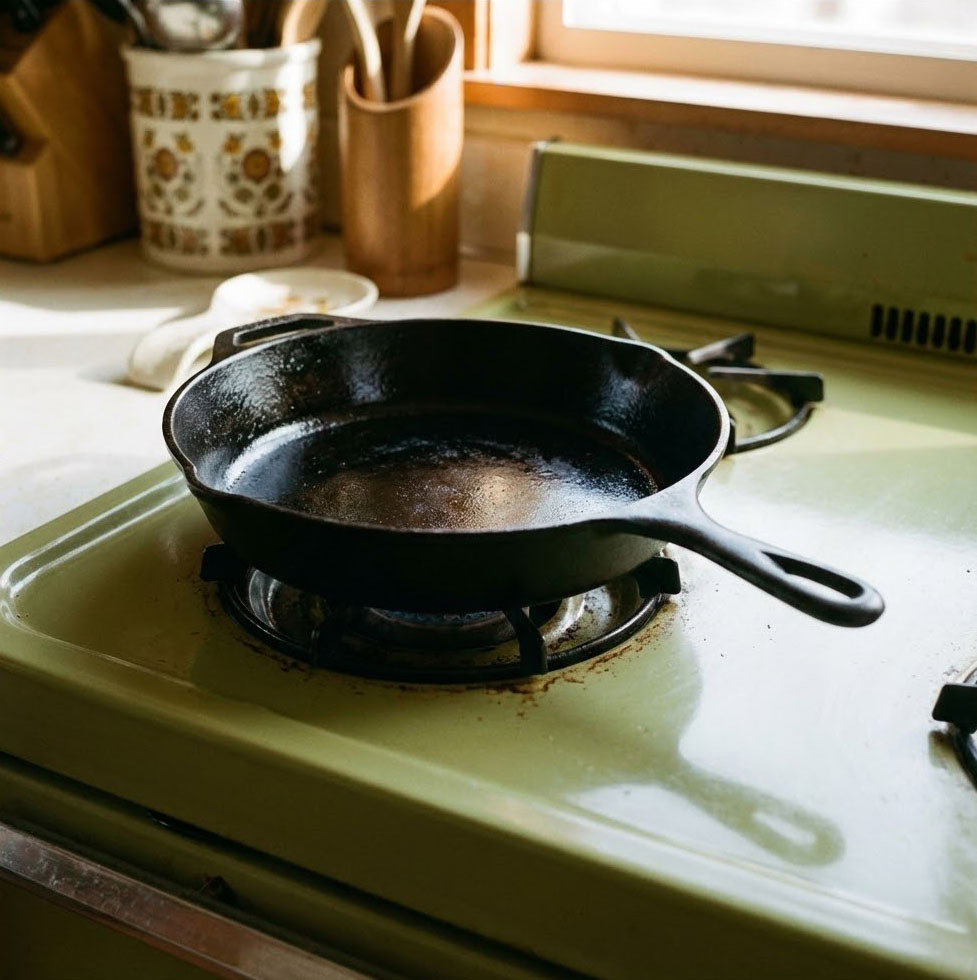
Cast iron pans improved with age. You seasoned them, wiped them clean, and relied on them for everything. Many families still use the same pans decades later.
Modern nonstick pans last a short time before peeling. Cast iron was built to endure and treated like an heirloom.
26. The Bread Bag Drawer
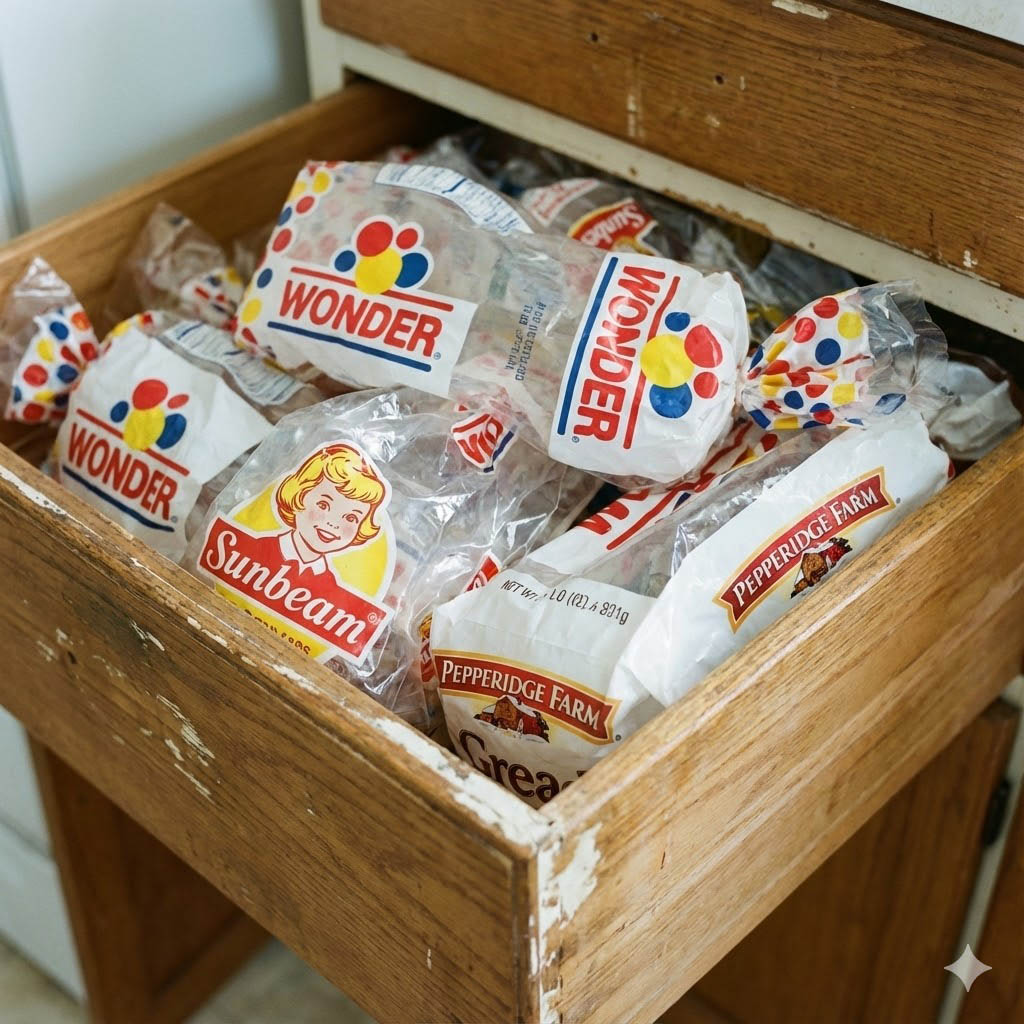
Bread bags were never thrown away. They became lunch bags, freezer bags, glove liners, or trash liners. A single bag lived several lives before it ever reached the bin.
Today most plastic bags are single use. Older generations stretched every useful item and saved real money doing it.
25. Newspaper for Crystal Clear Windows
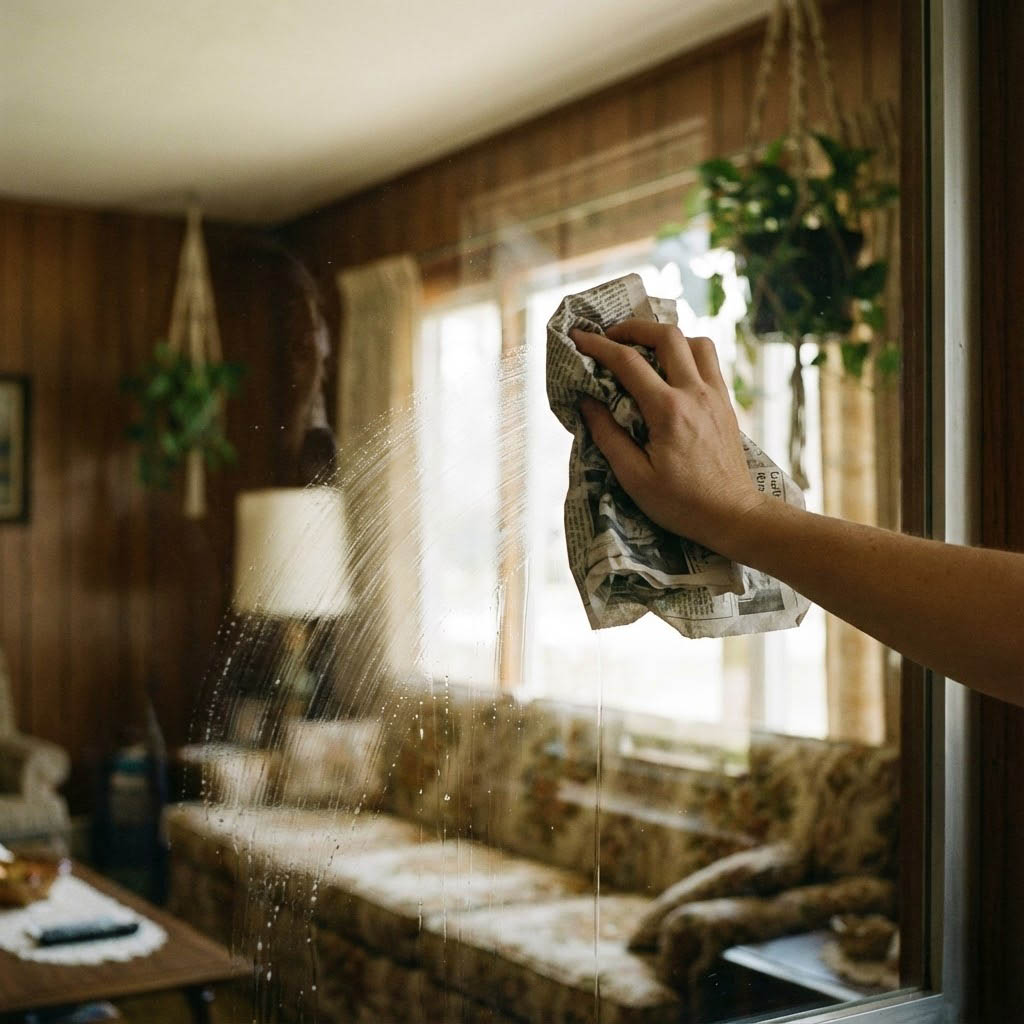
A little vinegar and yesterday’s newspaper cleaned windows perfectly. No streaks, no fancy sprays, and no disposable wipes.
Now we buy cleaners and paper towels that cost more and often work worse. Newspaper did the job for pennies and broke down naturally.
24. Repairmen Instead of Replacement Culture
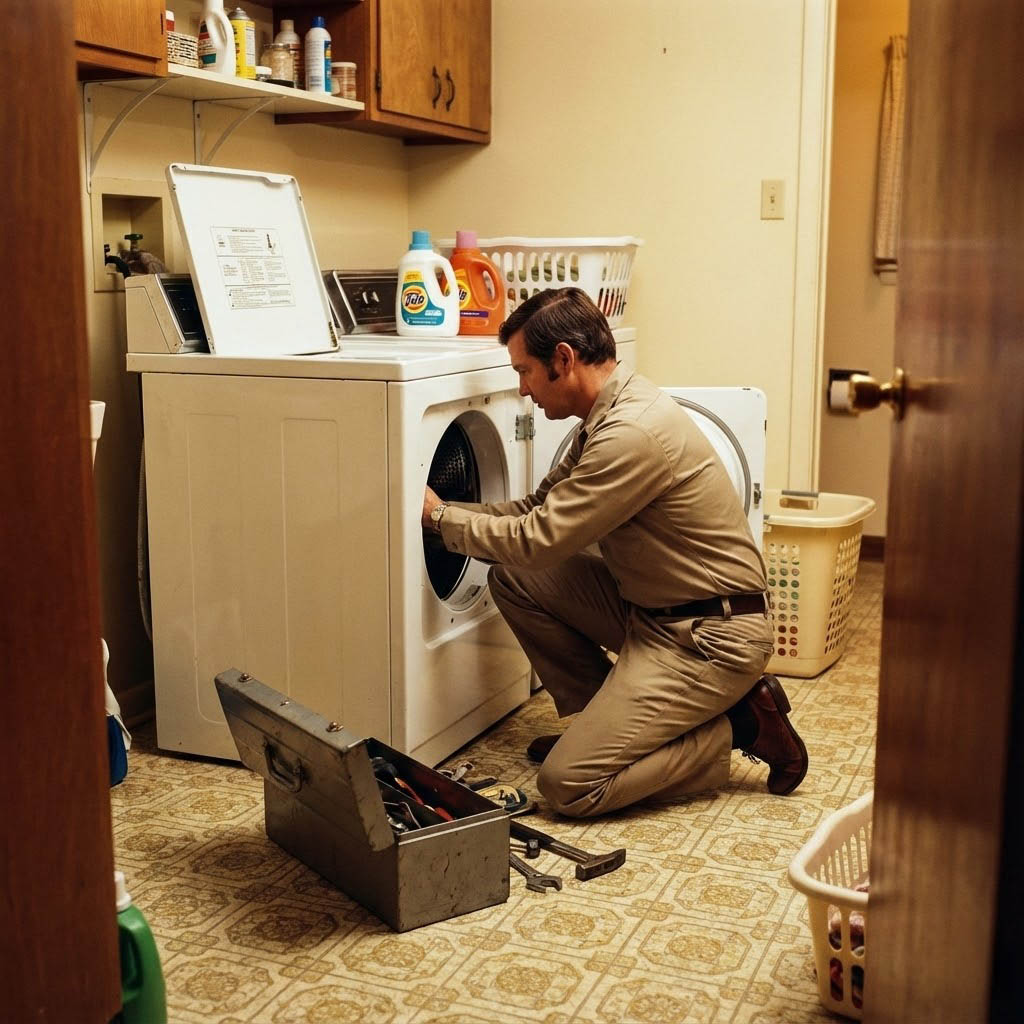
If something buzzed or rattled, you got out a screwdriver or called a repairman who knew how to fix it. A broken part did not mean throwing away the whole appliance.
Today, appliances are often cheaper to replace than repair. Older generations expected things to last and respected the people who kept them working.
23. Hand Me Downs With Real Mileage
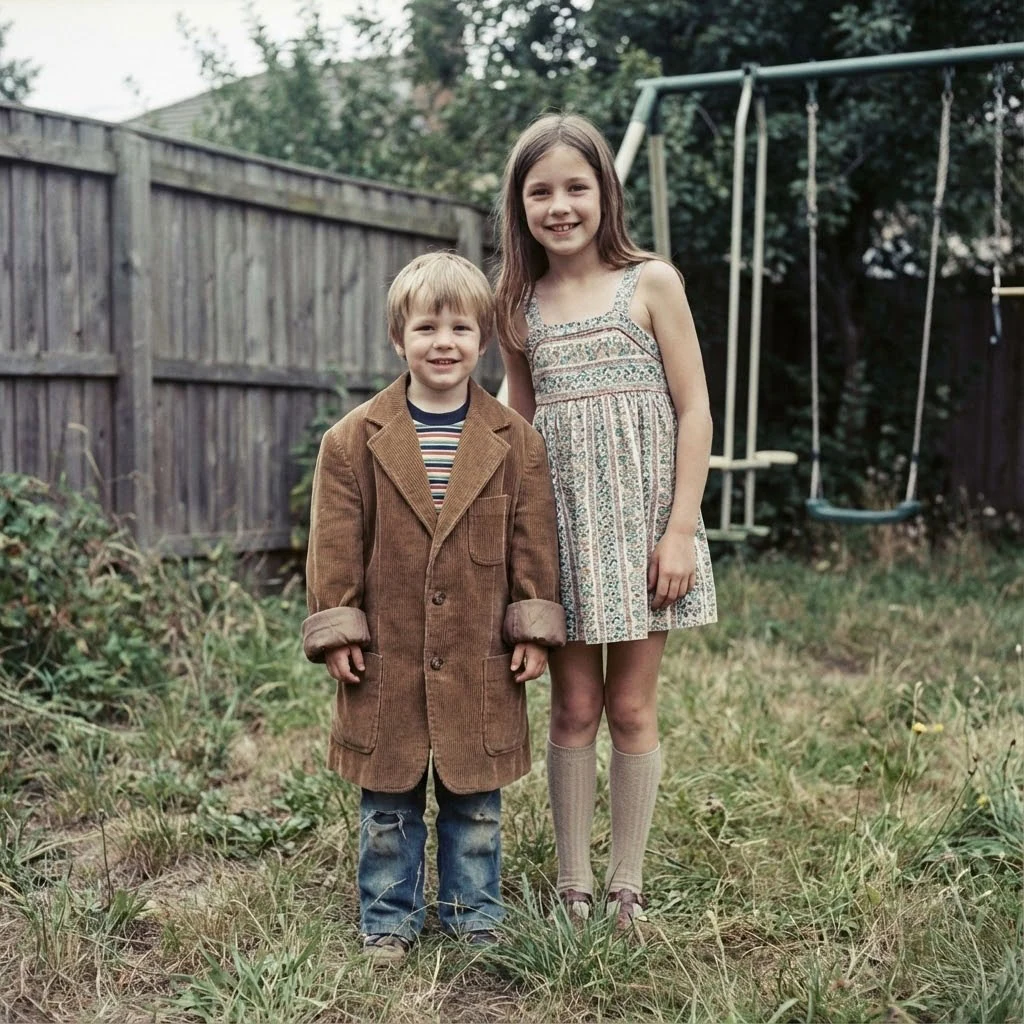
A sturdy coat went through several siblings, cousins, and sometimes neighbors. Clothing lived full lives before retiring.
Now closets overflow with clothes worn only a few times. People once valued durability and stretched every dollar without thinking of it as a trend.
22. Playing Until the Streetlights Came On
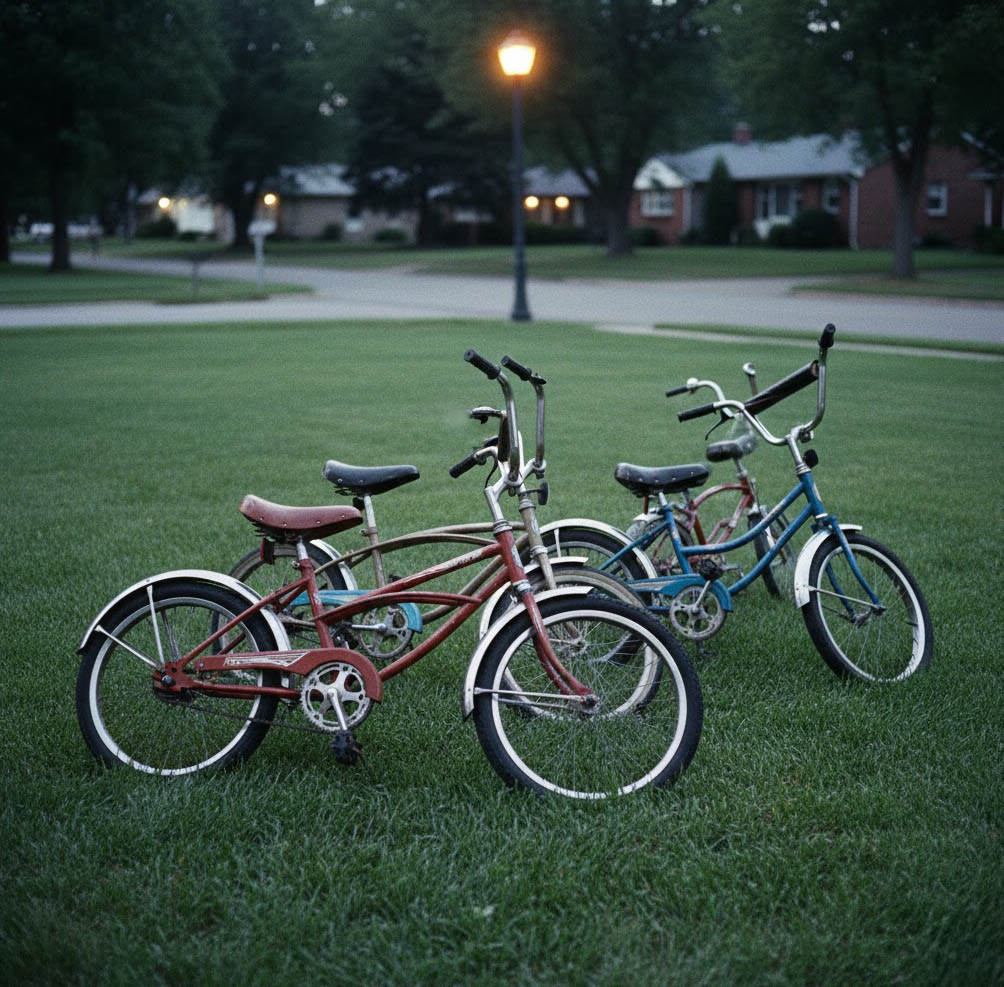
Kids rode bikes, built forts, and explored outdoors until the streetlights flicked on. They burned their own energy, not electricity.
Modern entertainment relies on screens, chargers, and subscriptions. Childhood used to run on imagination and muddy shoes.
21. The Magic Sewing Kit
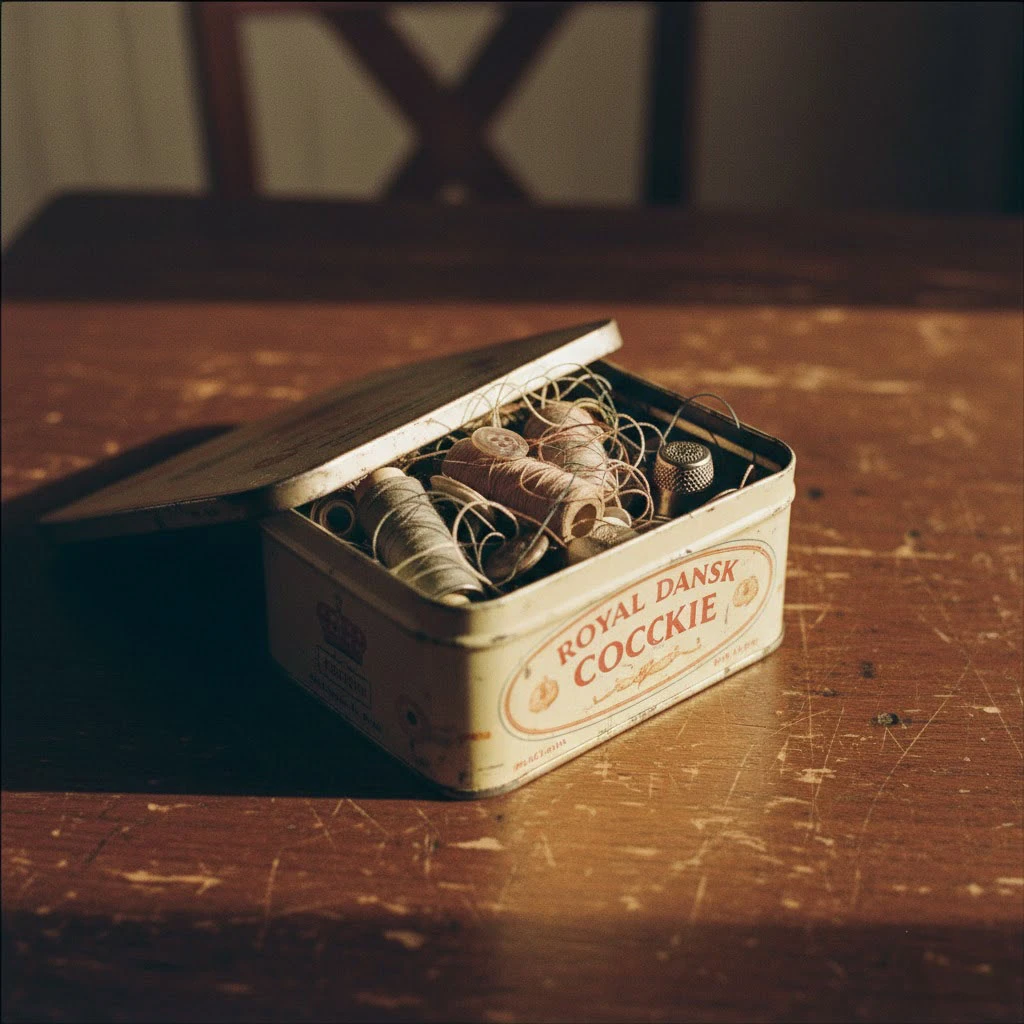
A missing button or torn seam was a quick fix. Almost everyone knew how to thread a needle and repair everyday clothing.
Today, small rips often mean tossing the garment. Sewing skills once saved families money and kept clothing useful longer.
20. The Universal Jar System
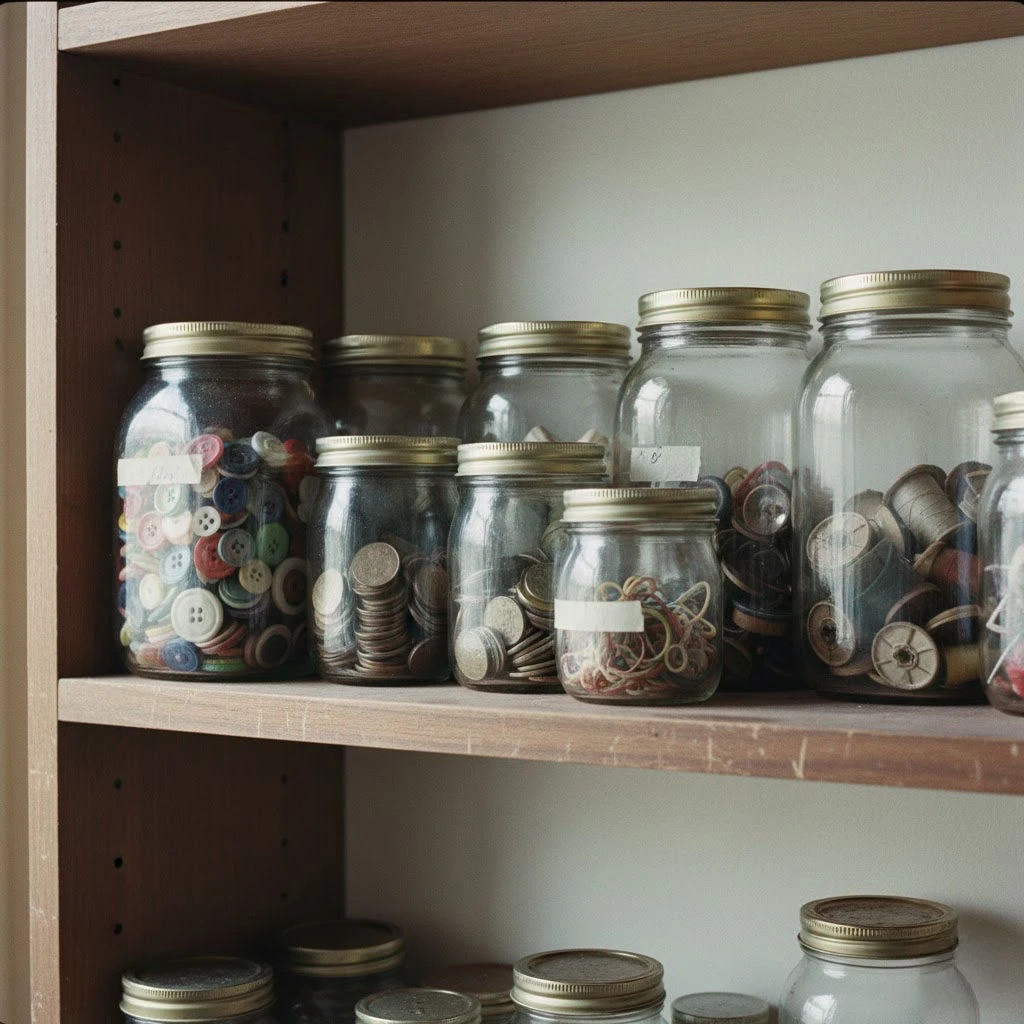
Empty jars became containers for buttons, bolts, leftovers, and anything else that needed storing. A shelf of mismatched glass meant an organized home.
Now we buy plastic storage containers that warp or crack. Older generations reused jars because they were practical and free.
19. Canning the Summer Harvest
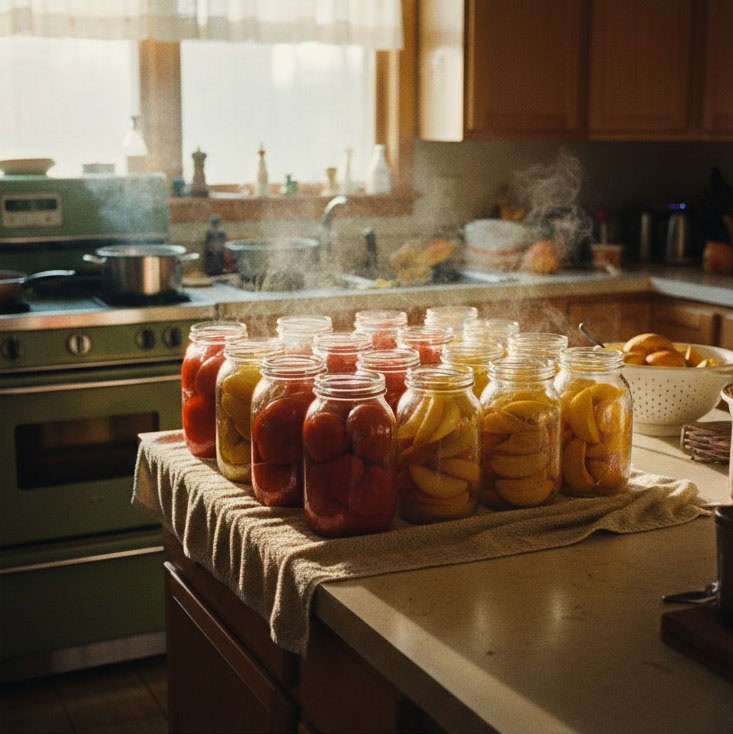
Steam filled the kitchen, jars clicked as they cooled, and shelves stocked with tomatoes, peaches, and beans carried families through winter.
Today we rely on imported produce wrapped in plastic. Earlier generations stored their own food and avoided waste without calling it sustainable.
18. The Cobbler’s Shop
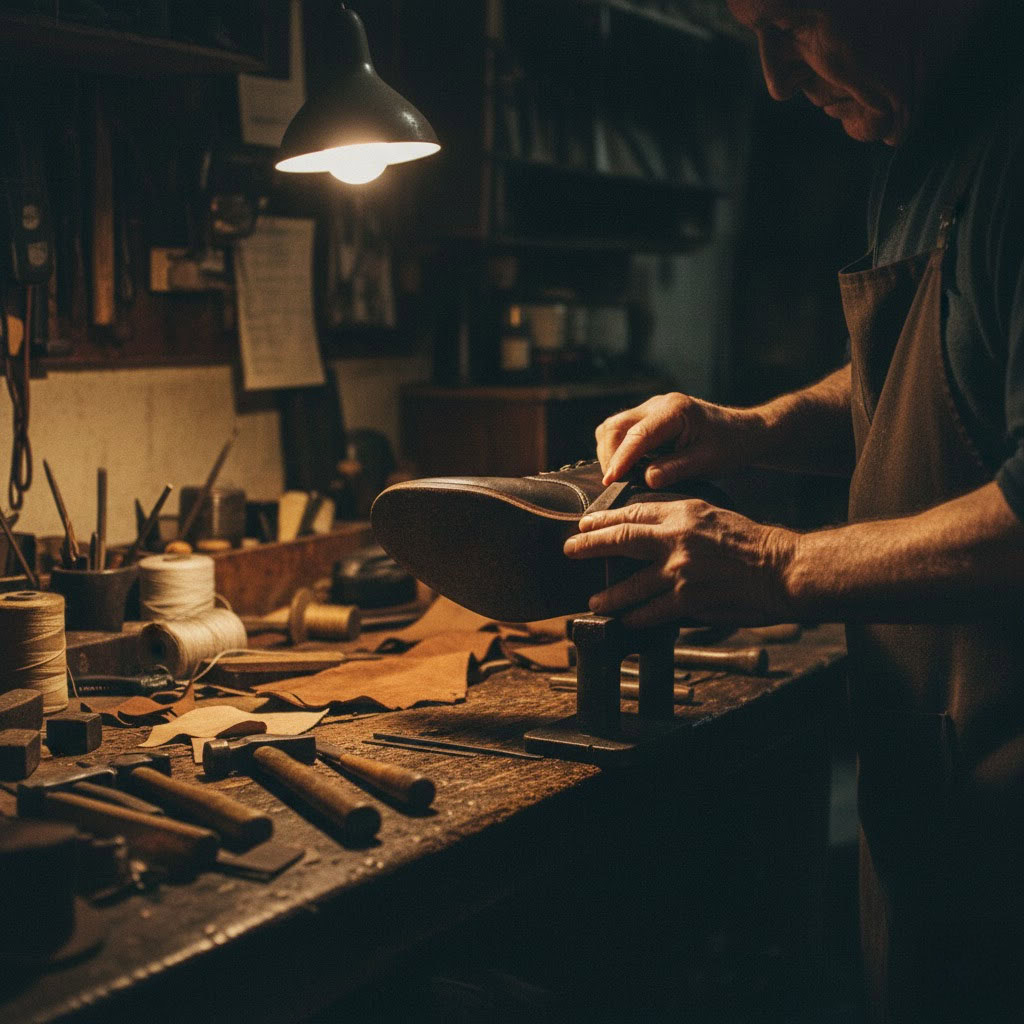
Worn shoes went to the cobbler who reshaped, repaired, and polished them. A pair could last many years with the right care.
Now most shoes are tossed quickly because they are not built to be repaired. Older generations valued quality and the skills that preserved it.
17. Victory Gardens and Backyard Produce
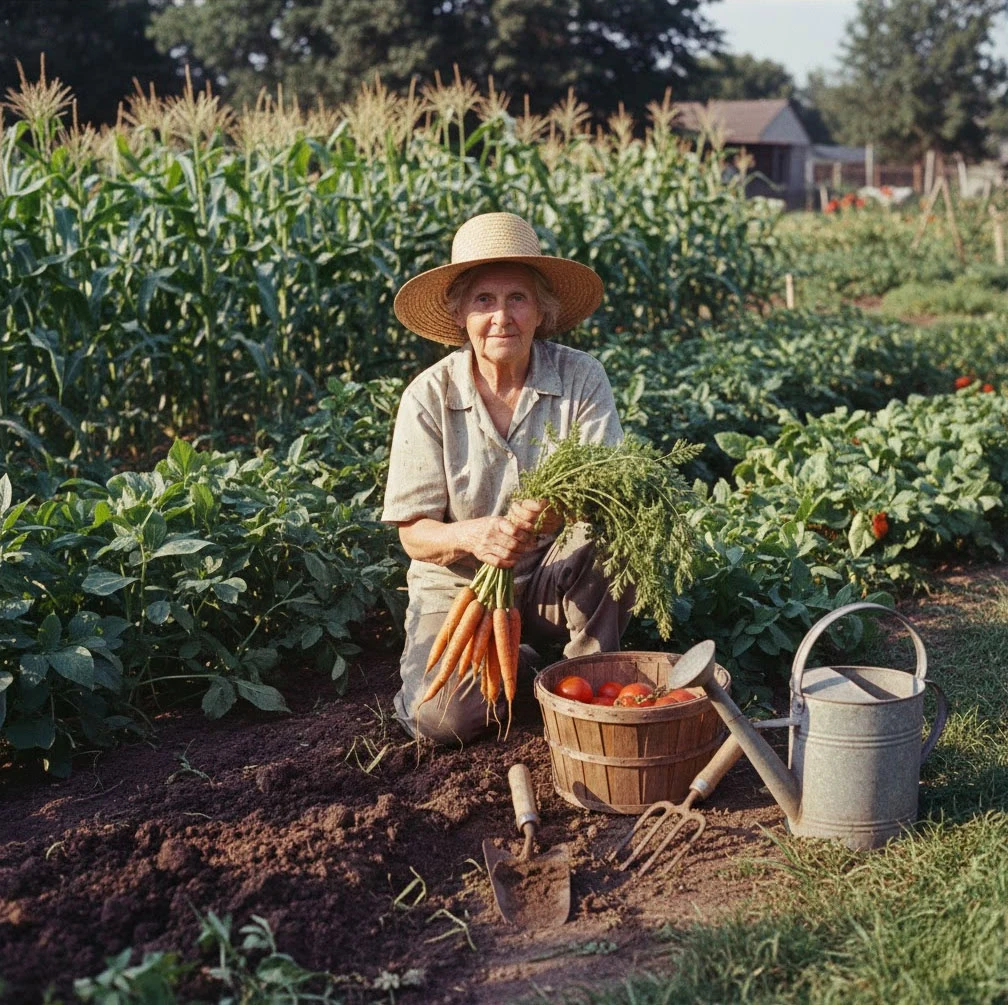
Tomatoes, corn, squash, and beans grew in backyards across the country. Families shared extras with neighbors.
Today much of our produce arrives wrapped in plastic. Growing food at home was practical and local long before those words became marketing terms.
16. Tools That Stayed in the Family
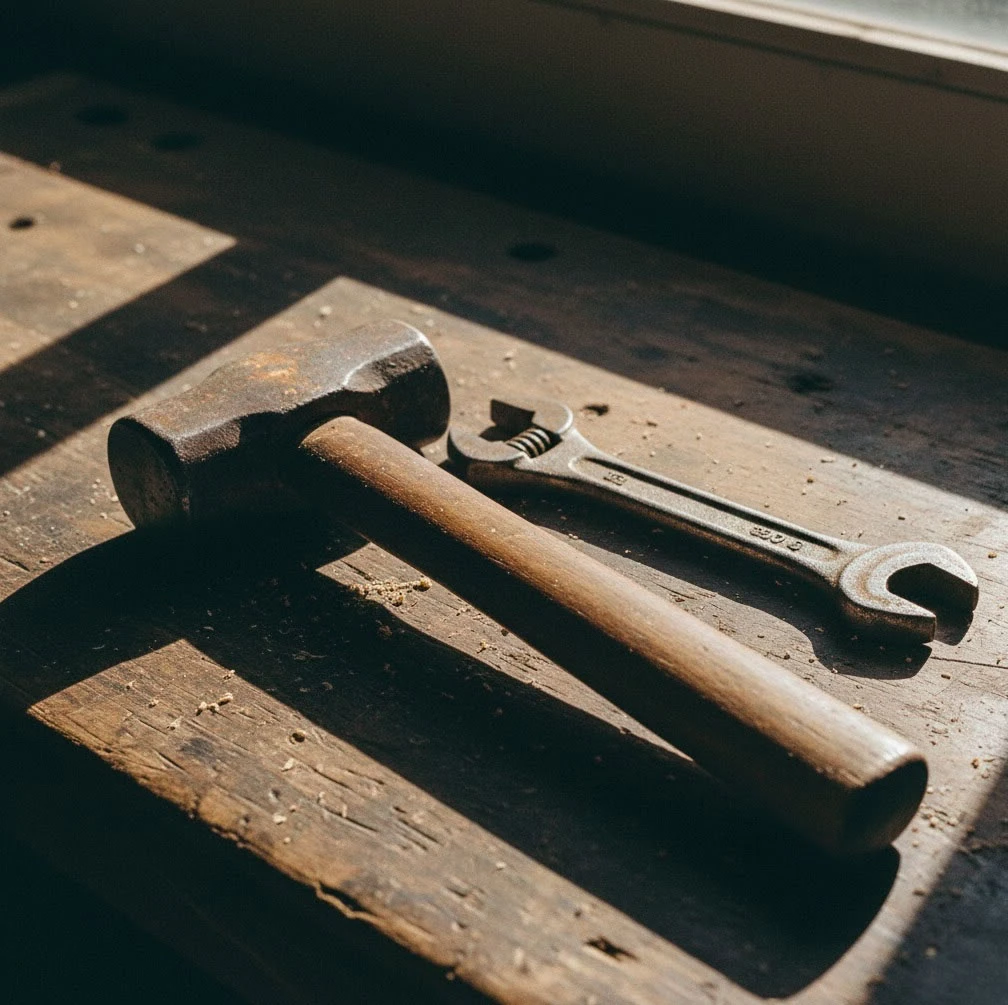
A hammer or saw was built once and used for decades. Handles were replaced, not the tool itself.
Modern tools often wear out quickly. Older generations invested in good equipment and maintained it for life.
15. Cloth Napkins for Daily Meals
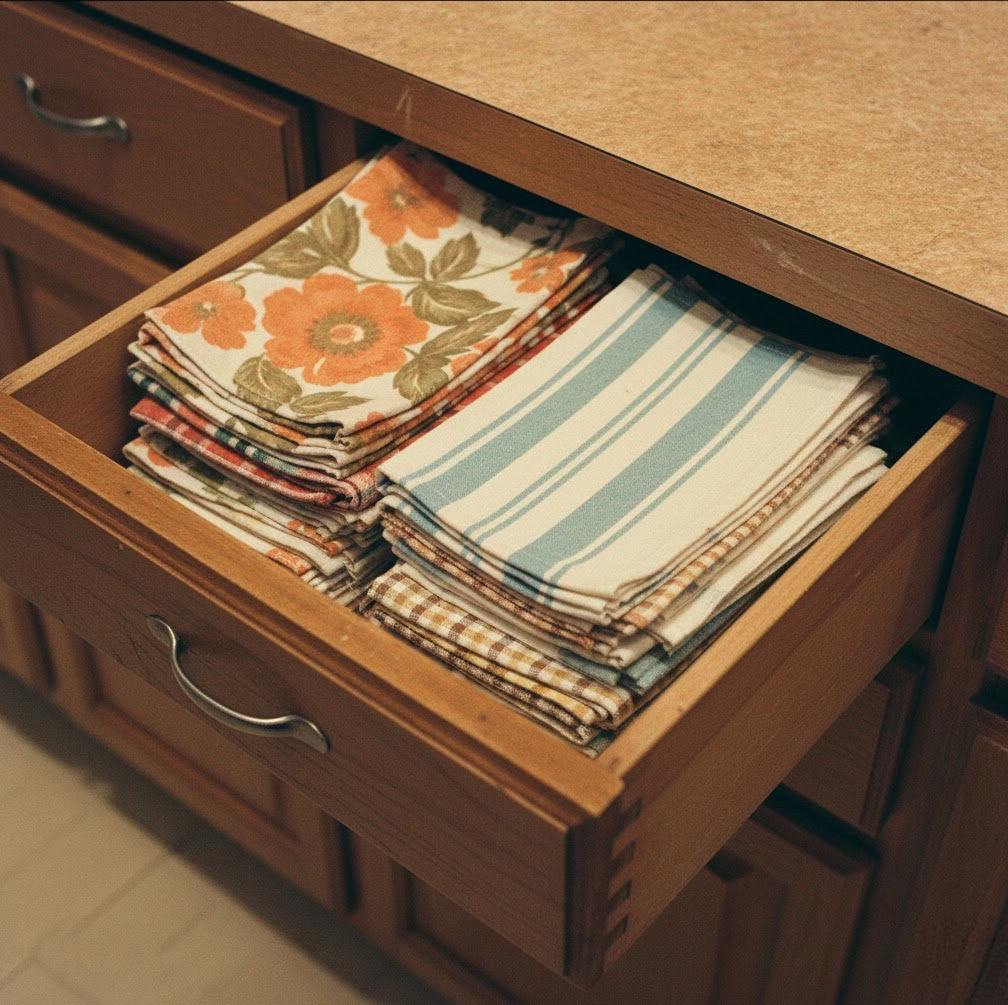
Cloth napkins lived in a drawer near the table and handled everyday meals. Paper towels were for big messes.
Now households go through rolls of paper products weekly. Cloth napkins washed clean and lasted for years.
14. Borrowing a Cup of Sugar
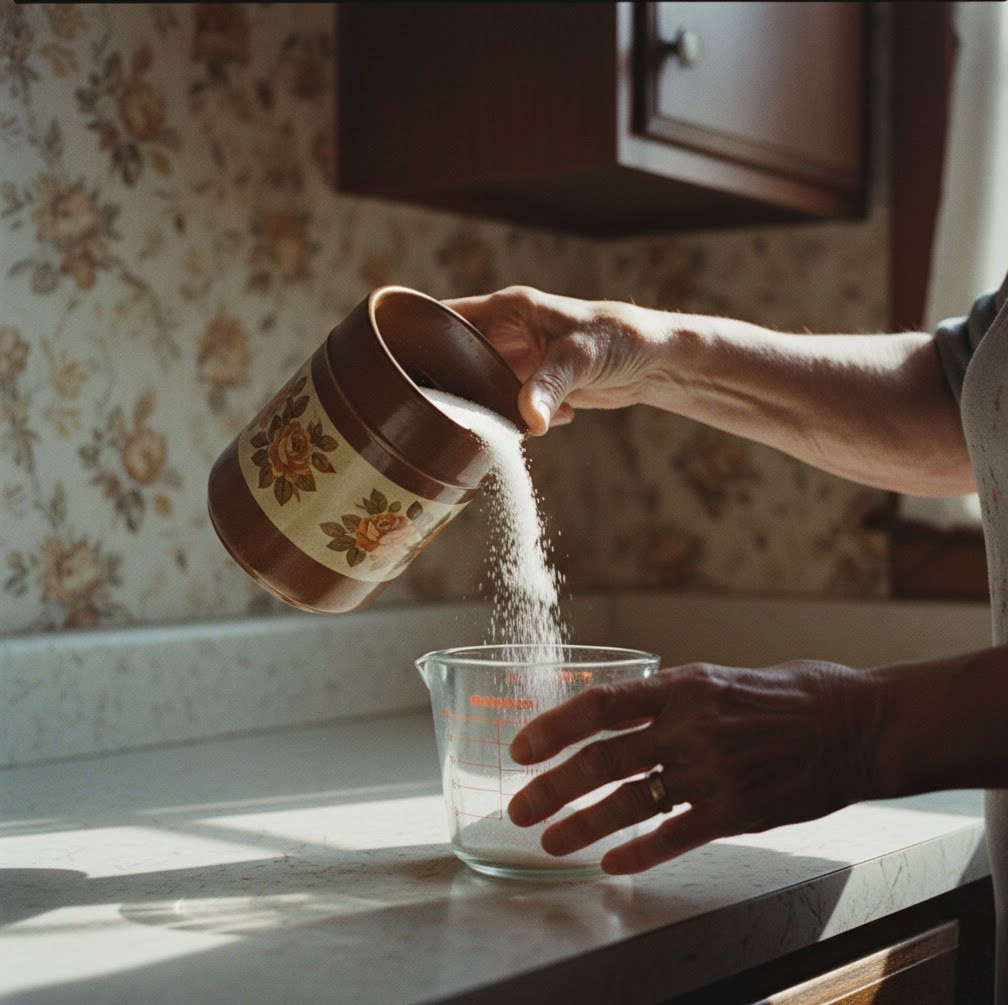
People didn’t run to the store every time they were short on an ingredient. If you needed a cup of sugar, an egg, or a splash of milk, you knocked on a neighbor’s door and asked. No embarrassment, no tally marks, just everyday kindness.
Today most people don’t even know the names of the families living next door. Once, these small exchanges built trust and connection, and nothing went to waste.
13. Leftover Alchemy
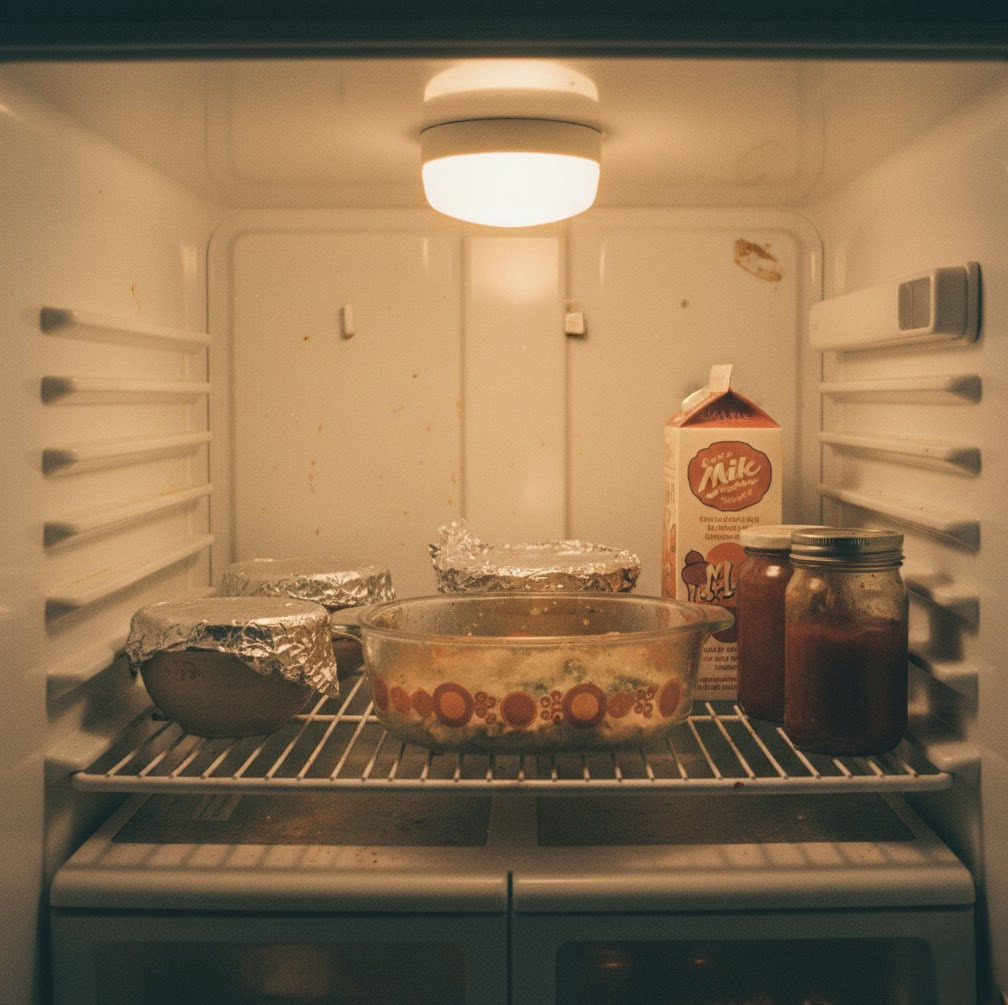
Sunday roast became Monday sandwiches and Tuesday hash. Every edible scrap found a purpose.
Now food waste is a major issue. Earlier generations stretched meals because it was responsible and economical.
12. Wool Blankets That Lasted Forever
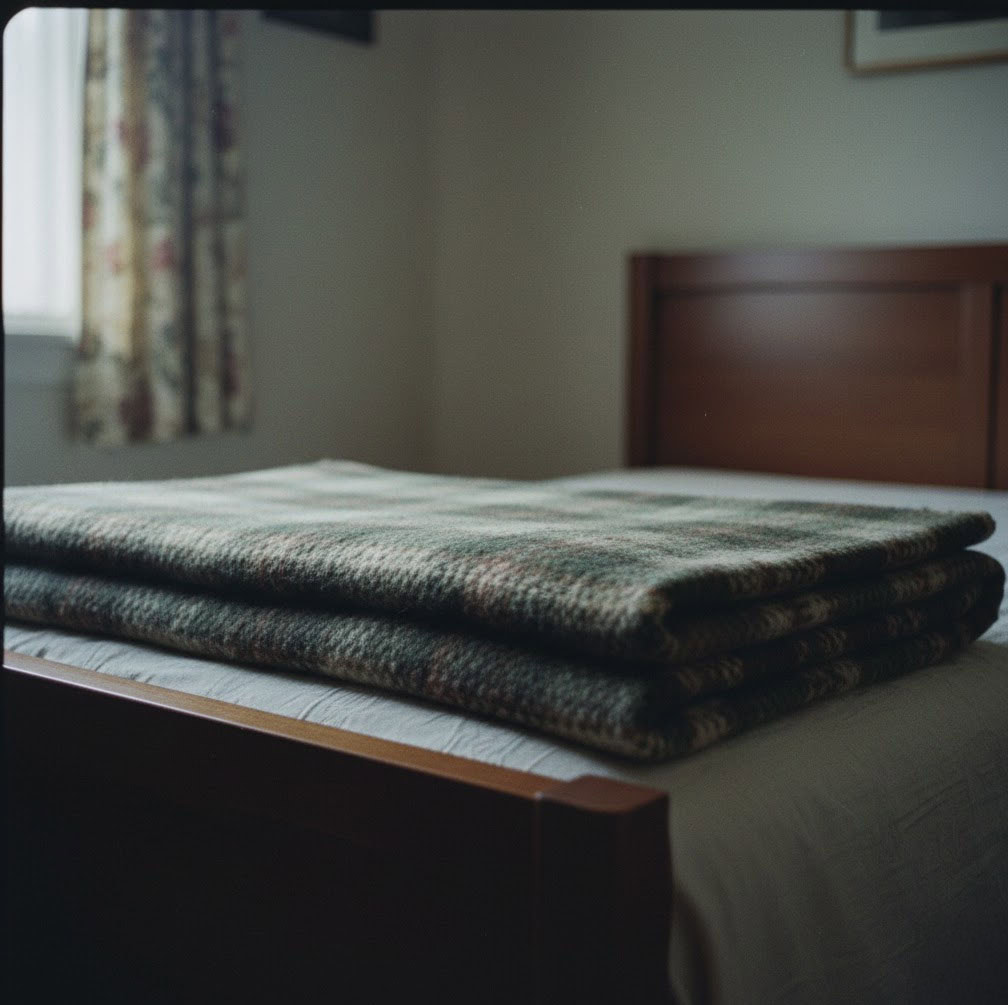
Thick wool blankets kept beds warm through the coldest winters. They softened with age and rarely wore out.
Modern fleece blankets degrade quickly and shed microplastics. Wool was natural, durable, and dependable.
11. The Fifteen Year Car
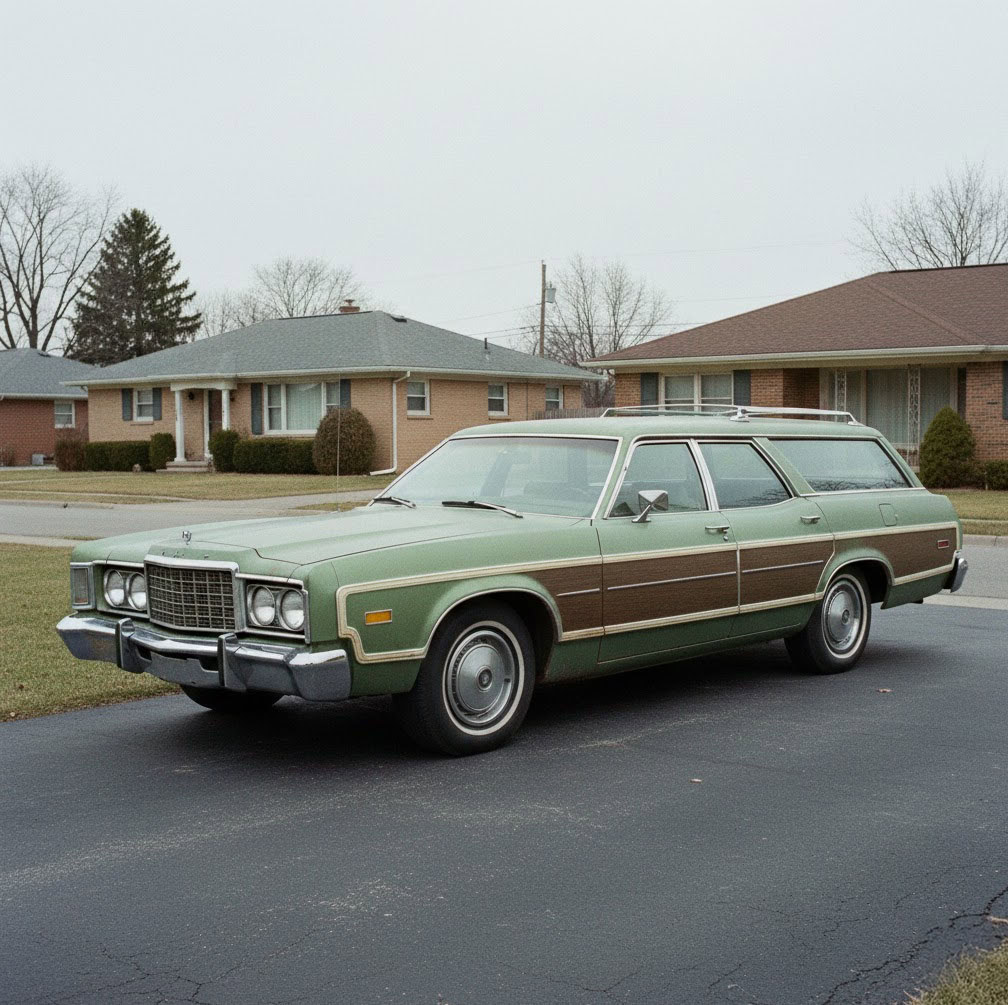
Cars were maintained with care. Oil changes, rotations, and small repairs kept them running for a decade or more.
Now many people replace their cars every few years. Older generations took pride in making a vehicle last.
10. Enamelware That Survived Anything
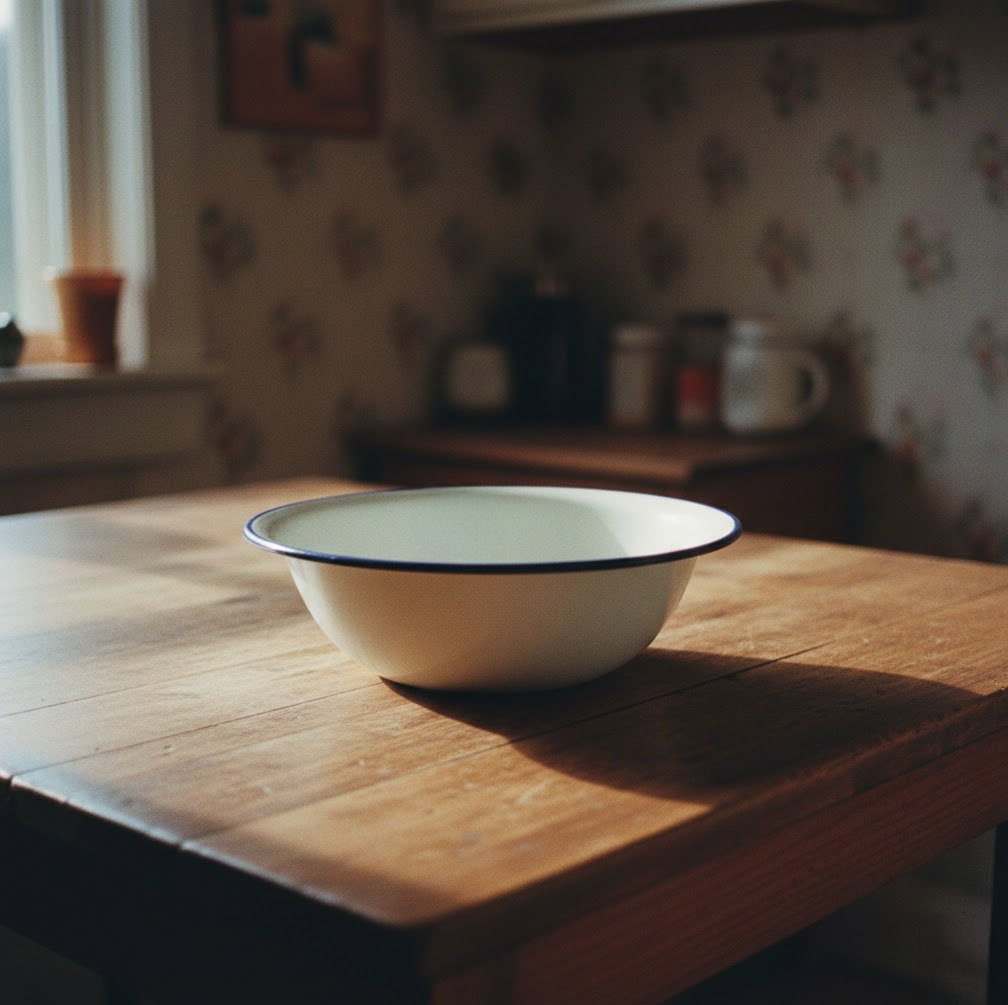
That white bowl with the blue rim saw decades of use. A chip was no reason to throw it away.
Today cheap dishes crack or stain quickly. Enamelware was built to take a beating and keep working.
9. Reupholstering Instead of Replacing
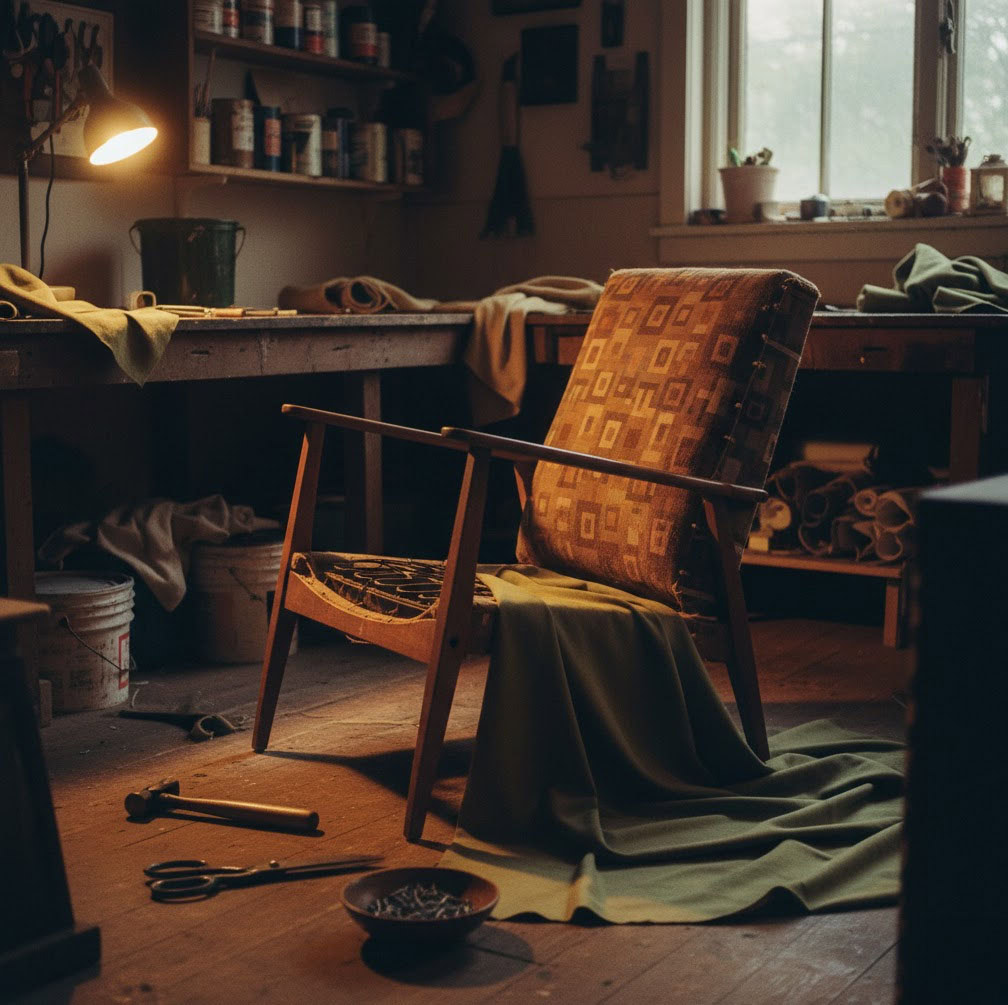
When sofa fabric wore thin, you had it recovered because the frame underneath was solid wood.
Now many couches are made from materials that barely last. Older generations bought sturdy furniture and kept it in service.
8. Eating By the Seasons
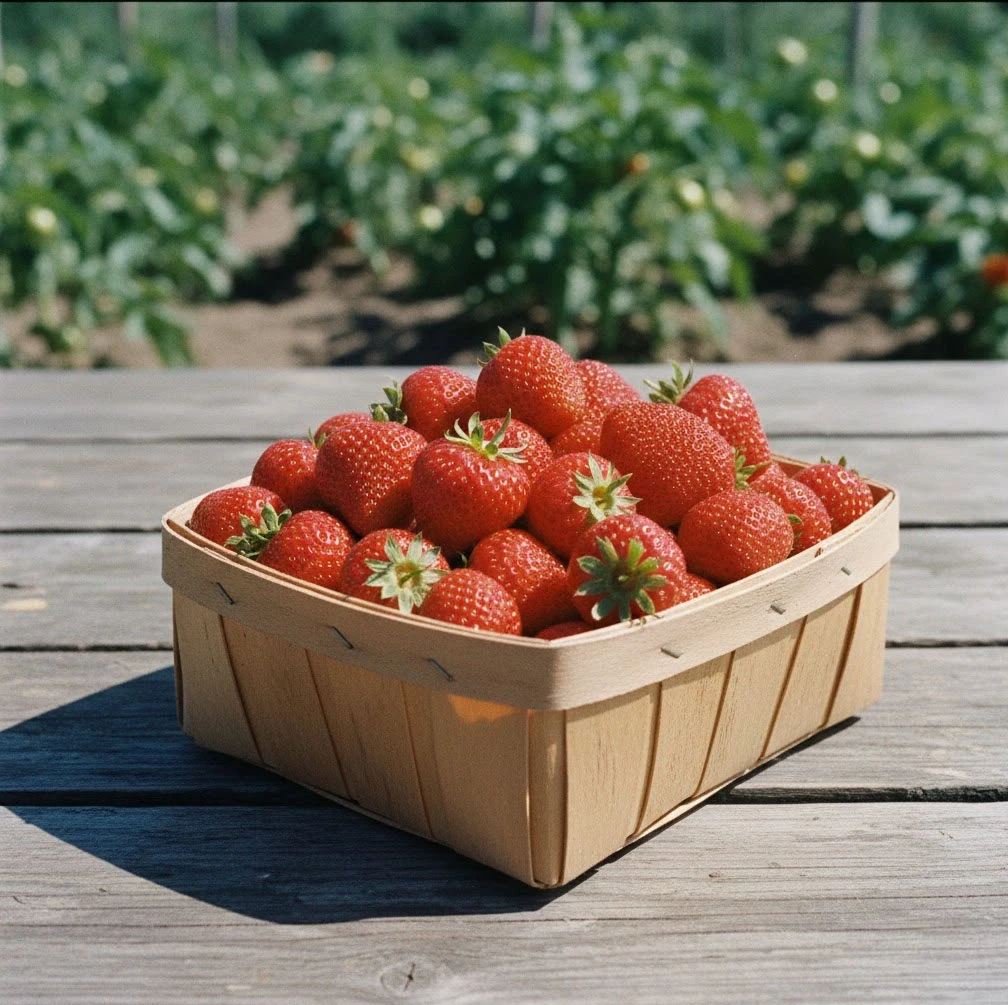
You ate what was ripe. Strawberries meant summer and winter meals came from storage or the cellar.
Today people expect everything year round. Seasonal eating tasted better and cost less without any need for a label.
7. The Deep Freeze
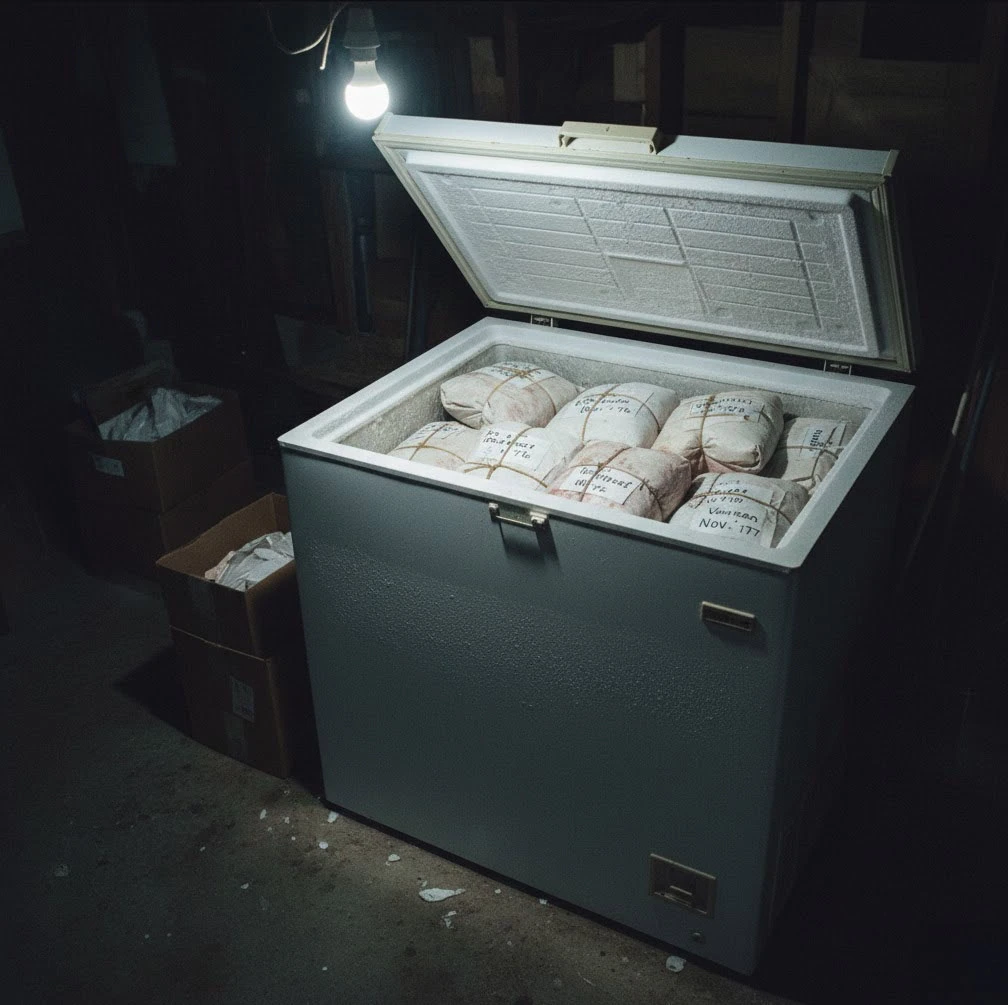
Families bought meat in bulk, froze vegetables from their garden, and filled chest freezers with real food.
Now meal prep often comes in plastic tubs. Earlier generations stocked their freezers with simple ingredients that stretched for months.
6. A Good Straw Broom
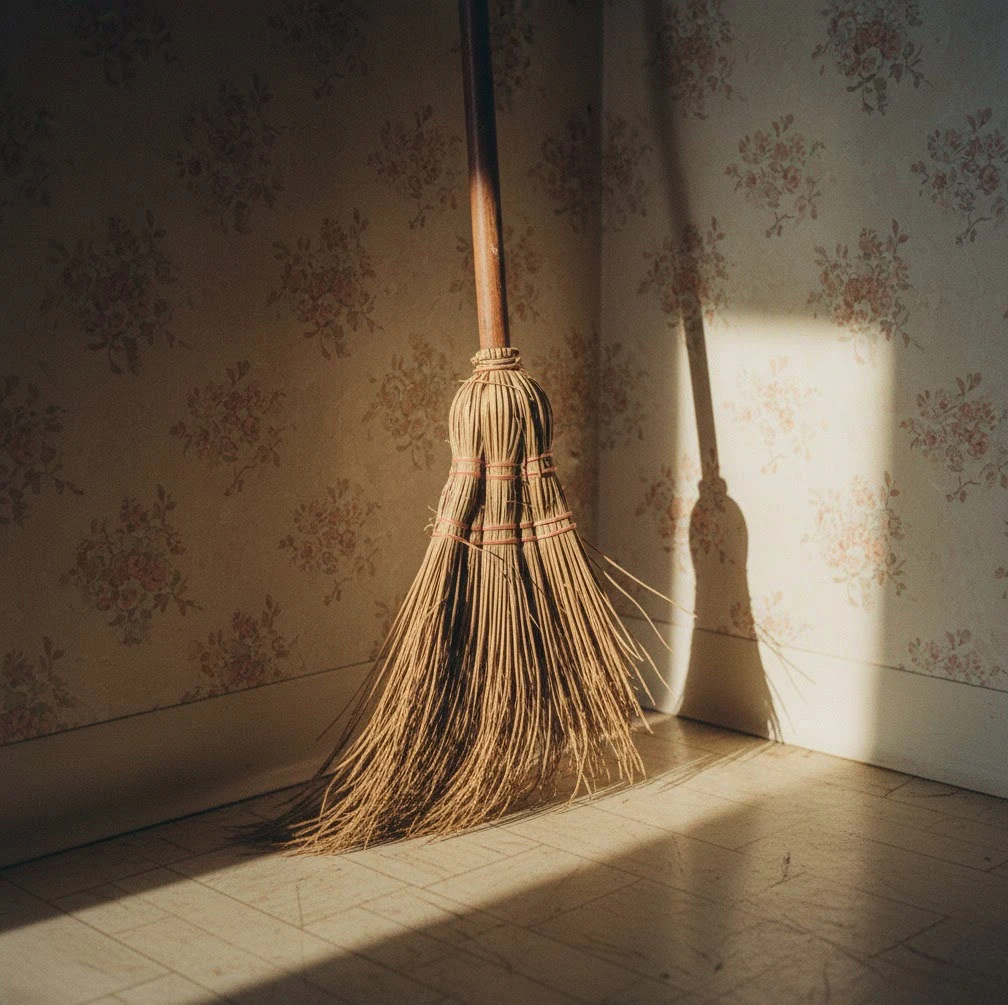
A broom and dustpan handled daily messes. No pads, no batteries, and no refills were required.
Today cleaning tools are designed to be disposable. The broom was reliable and lasted for years.
5. Percolators
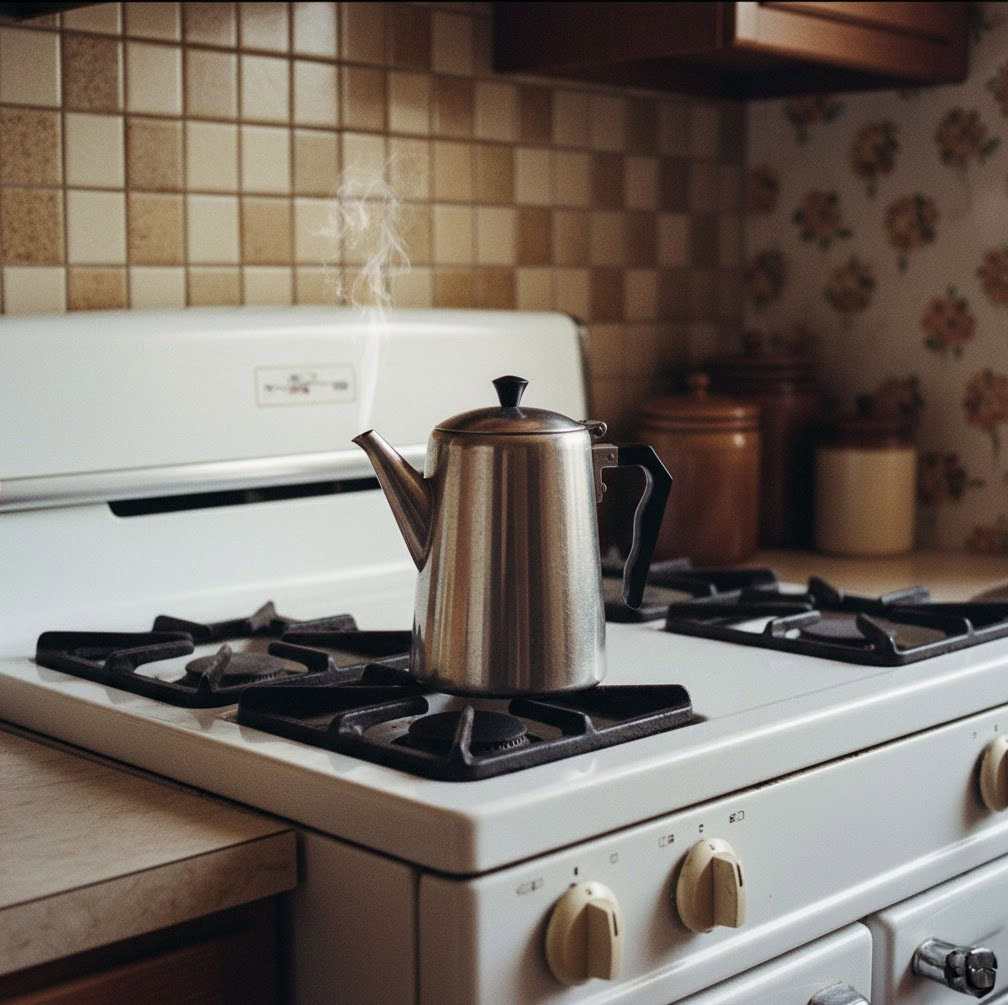
Coffee percolators filled the house with a warm smell each morning. The only waste was the grounds, which often went into the garden.
Modern coffee makers create plastic waste every day. The old system was simple, satisfying, and nearly waste free.
4. Rain Barrels
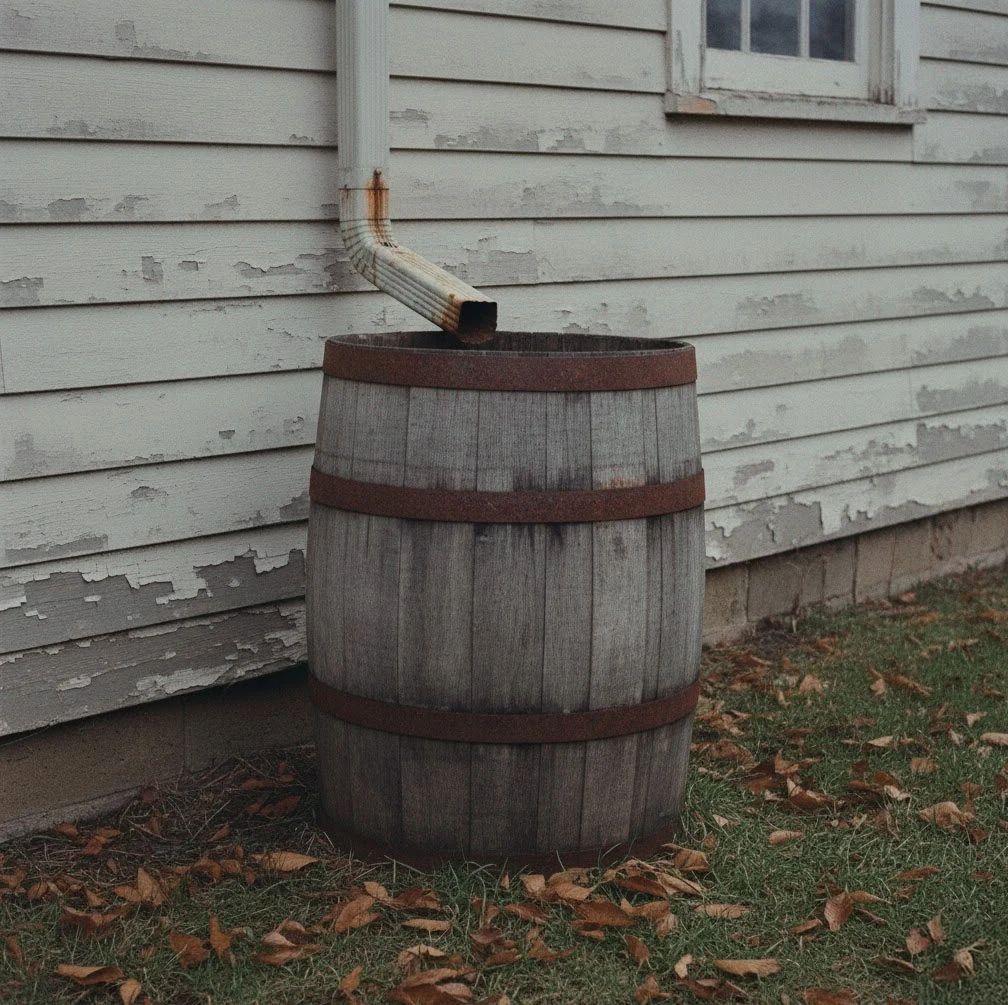
A barrel under the gutter collected free water for gardens and flower beds. It worked quietly and required no explanation.
Now rain barrels are sold as eco products. Earlier generations used them because they were logical and free.
3. Homemade Toys
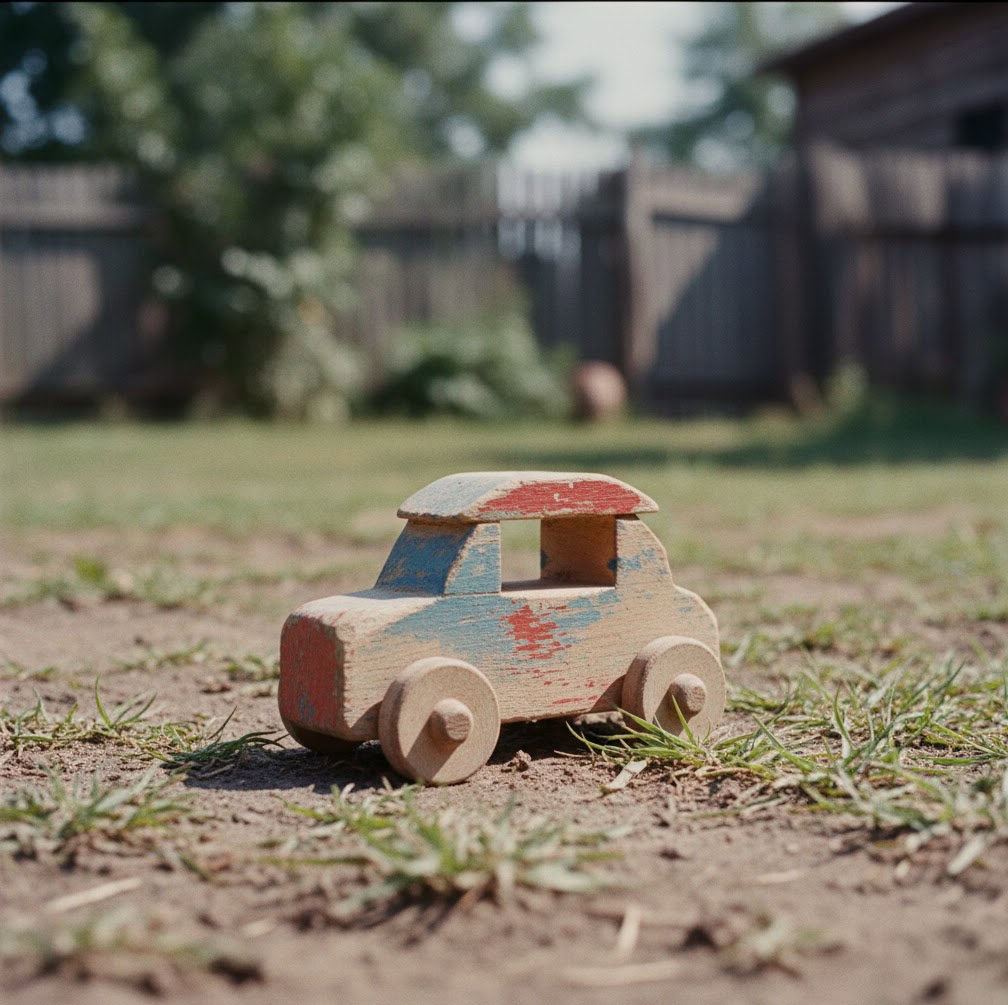
Scrap wood became toy cars. A branch became a slingshot. Kids built their own fun and treasured it.
Modern toys break quickly or get forgotten. Homemade toys lasted because effort went into making them.
2. Foil and Wax Paper Used More Than Once
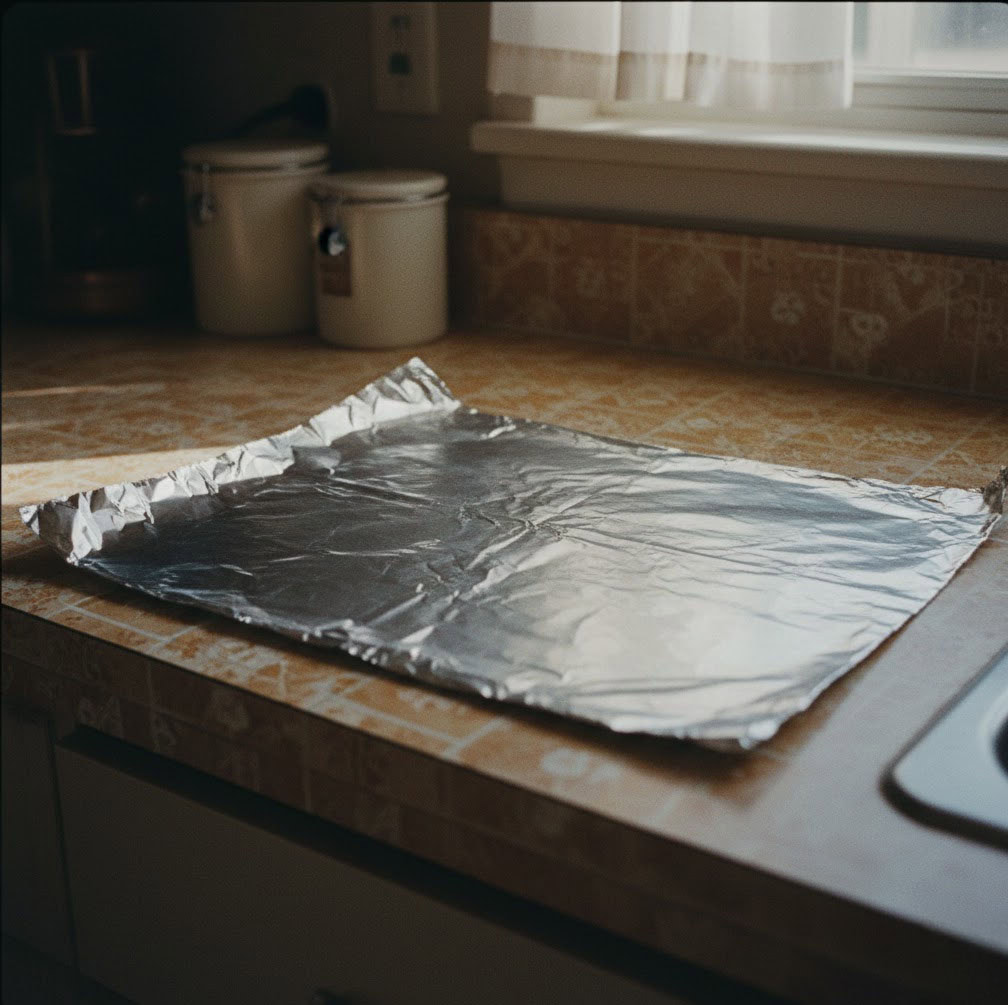
A sheet of foil was wiped clean, folded, and saved for later. Wax paper was reused until it could not be.
Today almost everything is single use. Reusing simple items was normal, responsible, and cost nothing.
1. Use It Up, Wear It Out, Make It Do, or Do Without
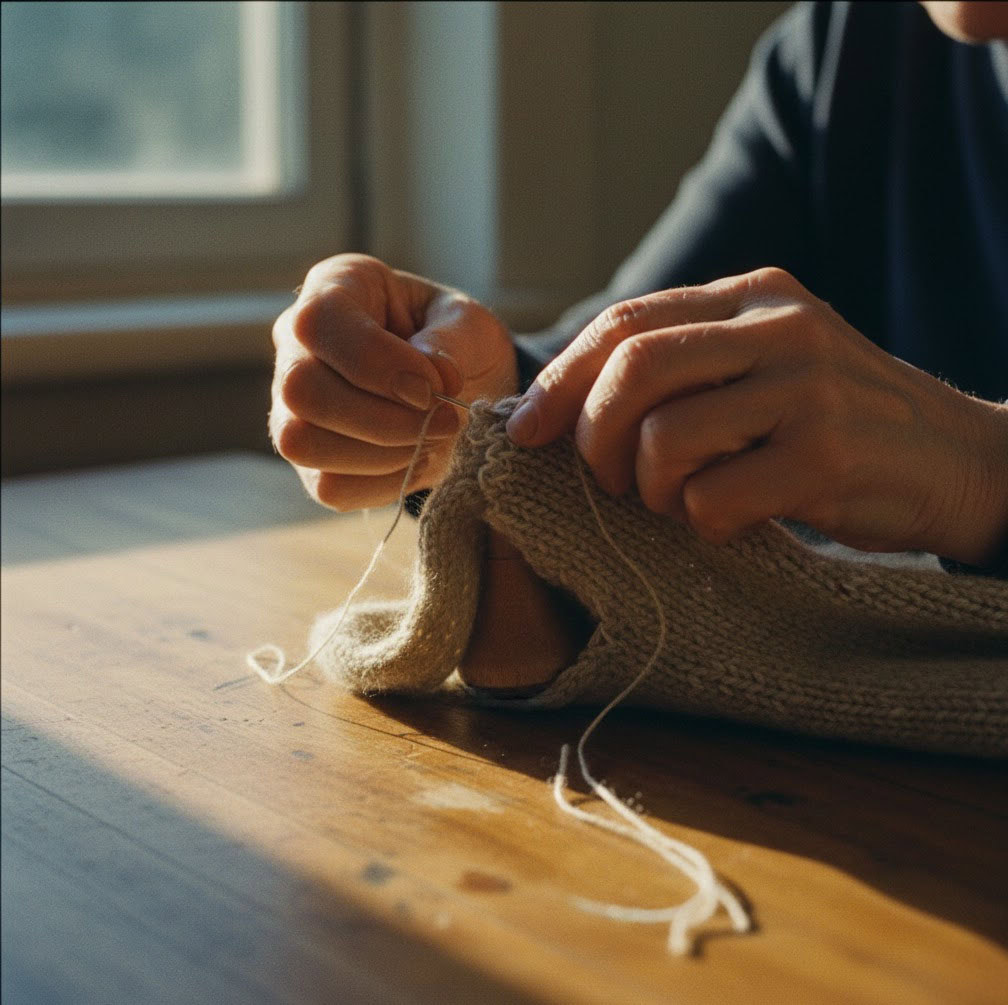
This simple rule guided entire households. Items were valued, repaired, repurposed, and used until they had nothing left to give.
People talk about sustainability as if it is new. Older generations lived it every day through discipline, pride, and common sense.
Conclusion
Sustainability might look modern, but its roots are not. Older generations reused, repaired, shared, and stretched resources because waste was not an option. These habits were learned at home, not marketed in stores.
So when someone explains sustainable living like it is a recent idea, feel free to smile. You were doing all of this long before it had a fancy name.