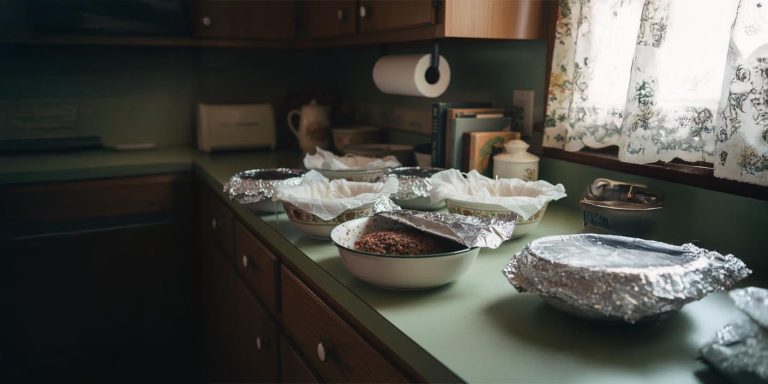

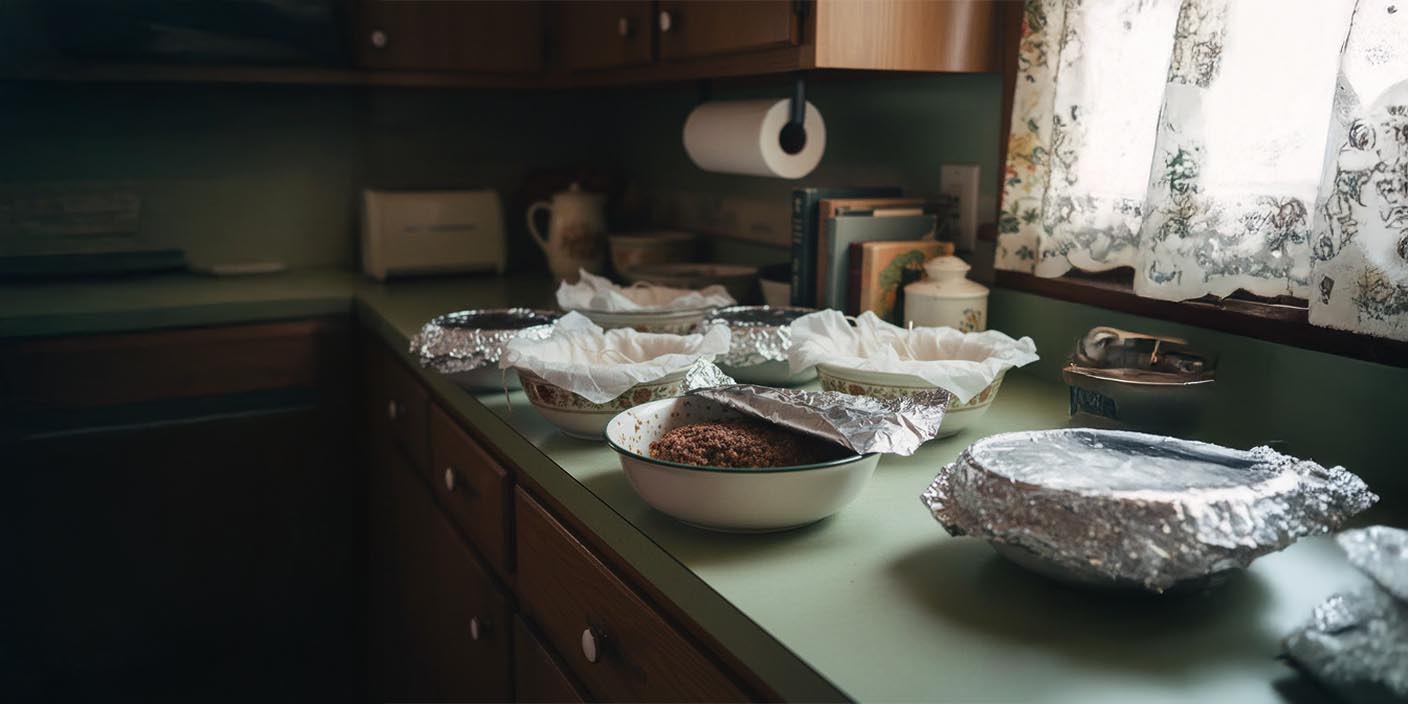
Long before “zero-waste” was a marketing buzzword, families had a different name for it: Common Sense.
These habits weren’t about trends; they were about stretching every dollar and respecting what was earned. Back then, waste was visible because it showed up directly on the household bill. Looking back, these weren’t just frugal hacks, they were a masterclass in kitchen efficiency that modern life has completely forgotten.
27. The Three-Day Sunday Roast
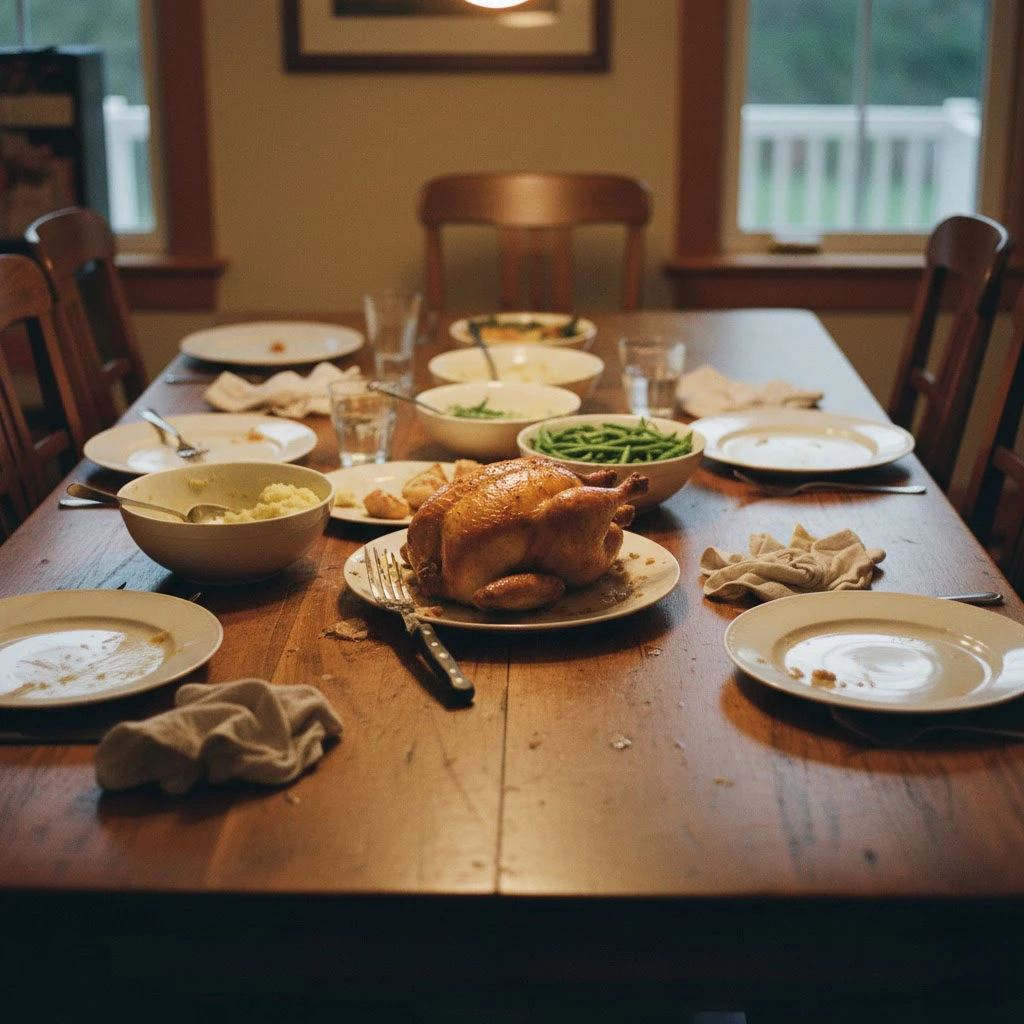
One main cook was a strategic “domino” designed to turn into several planned meals through the week. Cooking once and eating many times reduced total effort and cost, allowing the kitchen to run smoother as momentum carried the week forward.
It was the ultimate system for a busy household. By respecting what was earned and hating waste, our grandparents outwitted the system and built prosperity on a foundation of common sense.
26. Dinner Was Decided When Food Was Set Out to Thaw
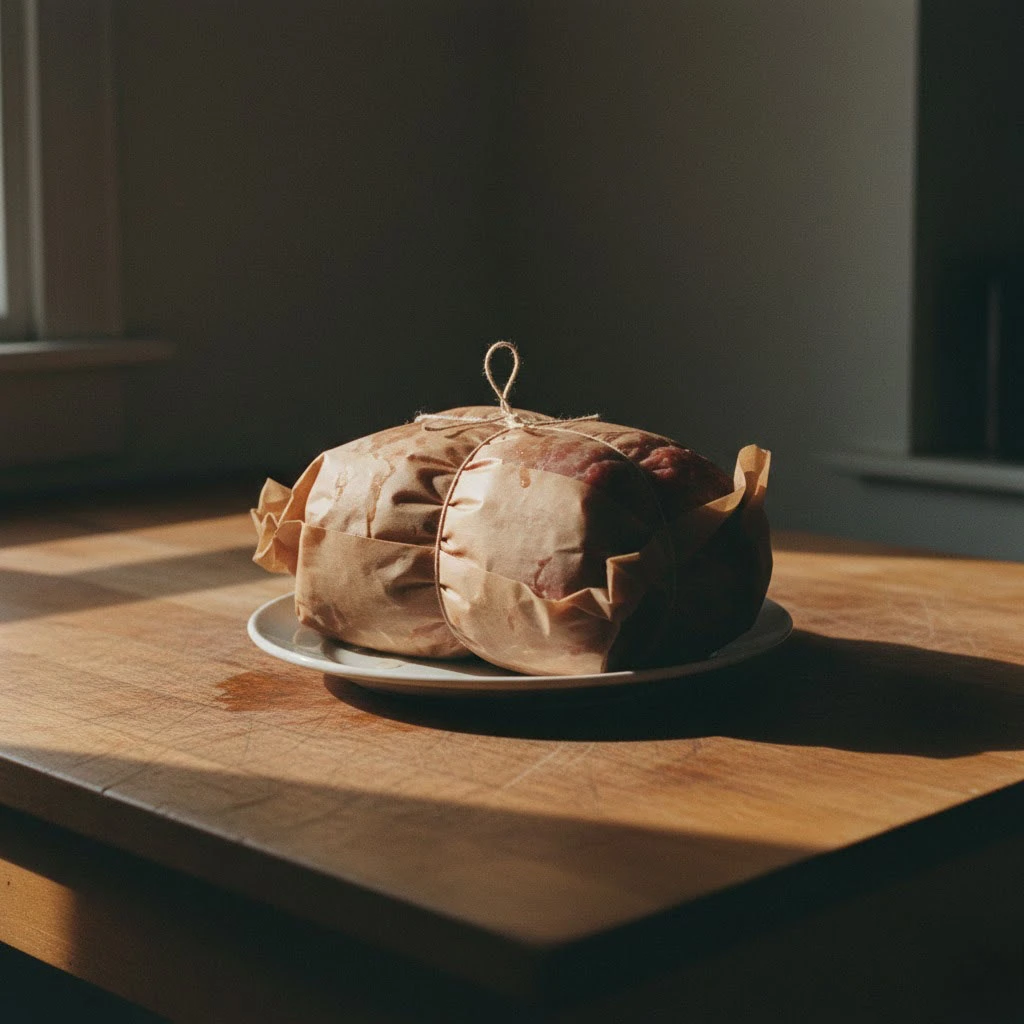
Decisions happened in the morning, not at the end of the day; if meat wasn’t defrosting by sunrise, it wasn’t for dinner. This simple ritual eliminated the evening panic and last-minute shortcuts.
Early decisions prevented expensive, desperate choices when the day turned out to be exhausting. It was a small act of morning discipline that protected the evening peace.
25. When Routine Carried the Kitchen
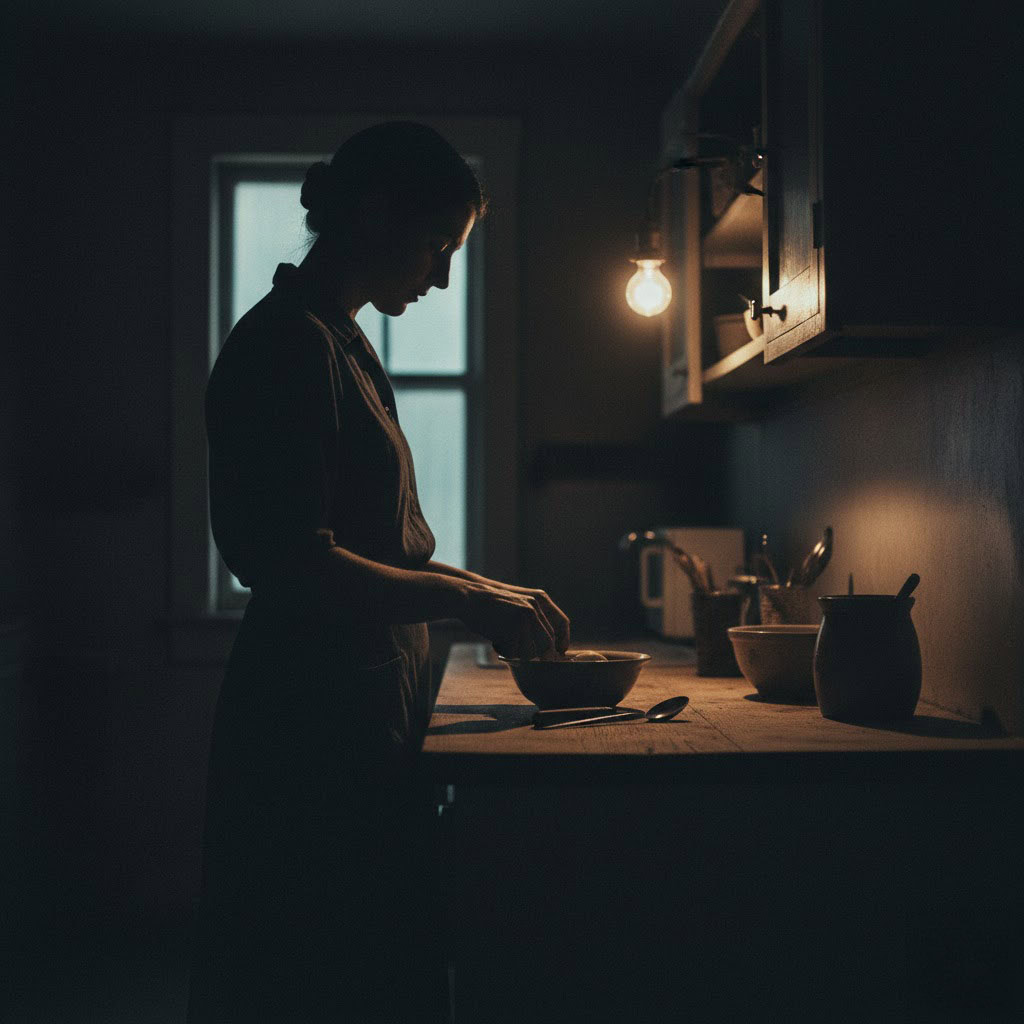
Meals happened because it was time for them, not because someone felt “inspired” to cook. This removed the constant negotiation and delay that leads to expensive shortcuts.
Routine carried the workload so the household did not stall on busy or exhausting days. Dinner was expected and prepared as a matter of course.
24. Repairing Kitchen Tools Instead of Replacing Them
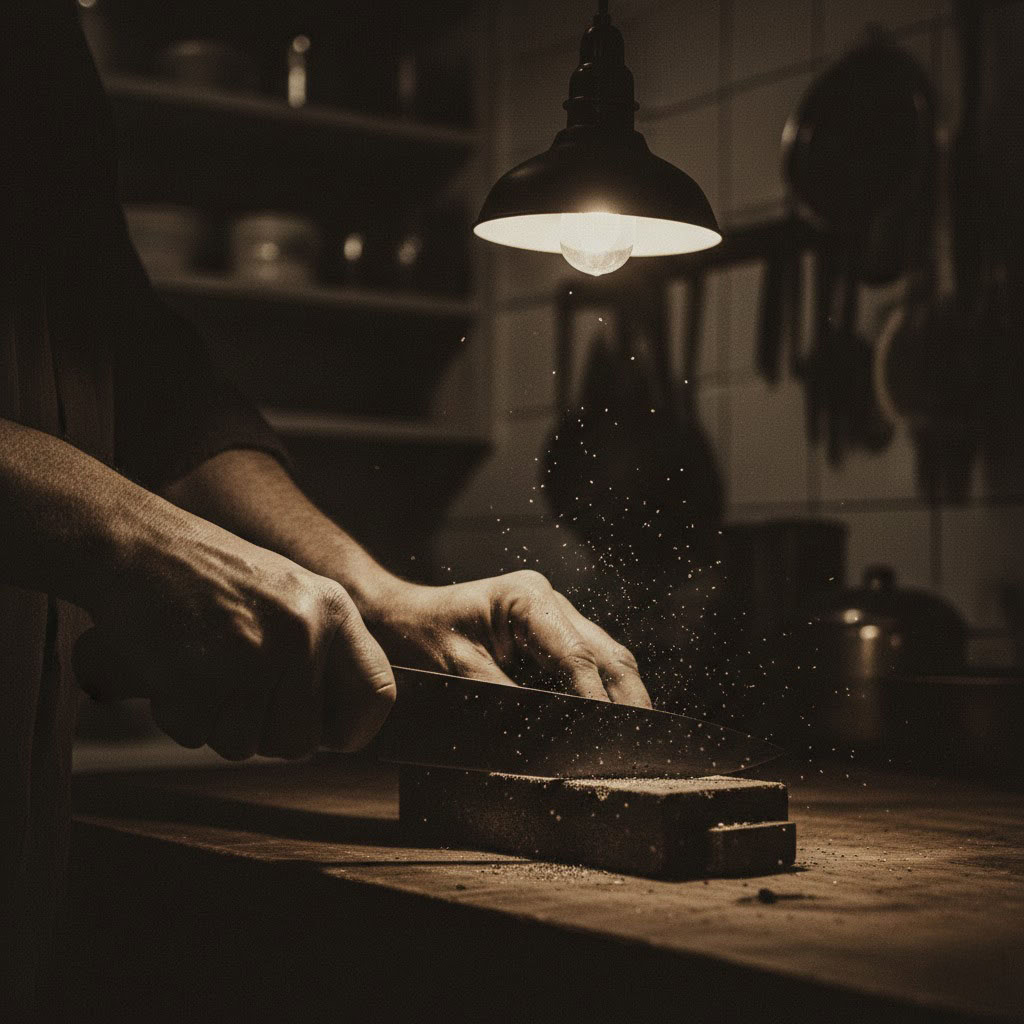
A loose handle or a dull blade was seen as normal wear, not a failure that required a trip to the store. Maintenance was a normal part of life because fixing something cost cents, while replacing it was often impossible when production was banned.
Tools lasted decades because people expected them to, not because they were sentimental. Furniture and tools were built of real materials and intended to outlive the owner.
23. Eating With the Seasons, Not the Store
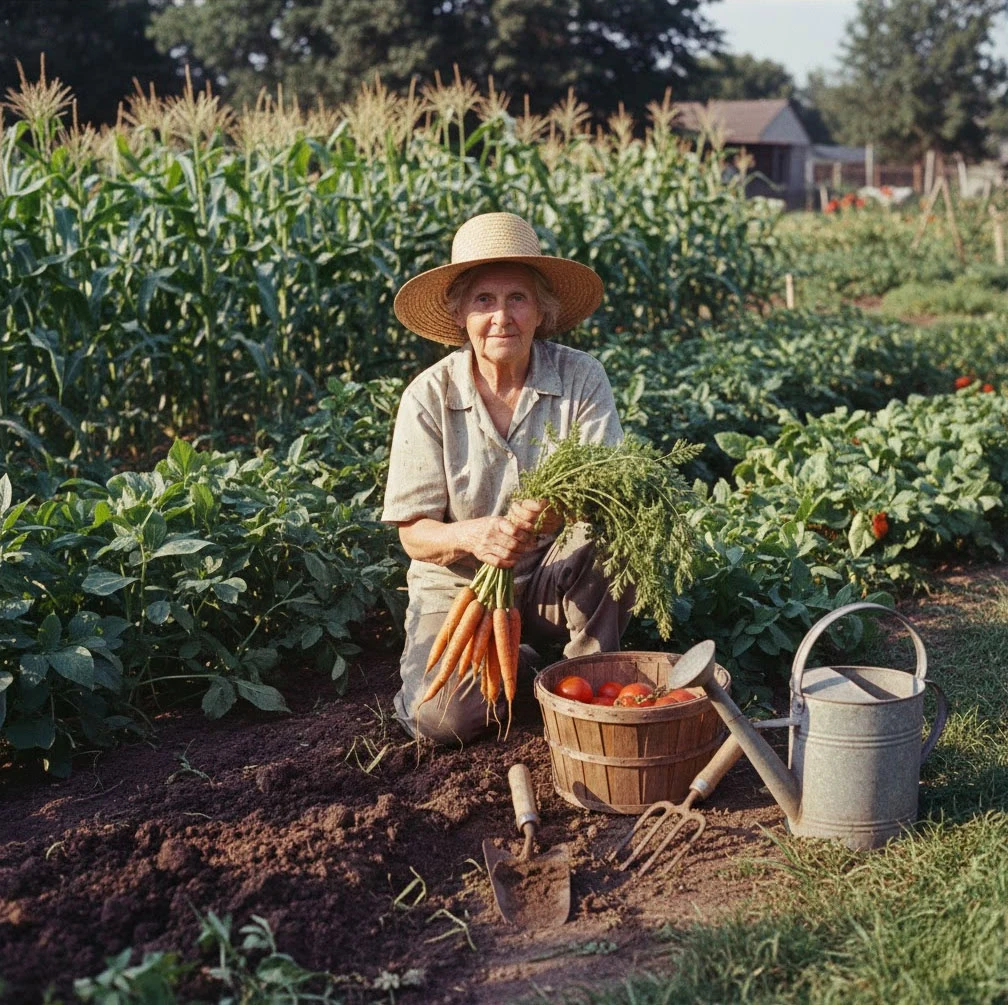
Diets naturally shifted based on what was available locally . Families ate what was fresh and in surplus rather than paying a premium for items shipped across a global supply chain.
Twenty million gardens once provided 40% of the vegetables for the entire country. We ate with the earth’s calendar, which beat waiting helplessly for commercial supply chains.
22. Accepting Small, Simple Dinners
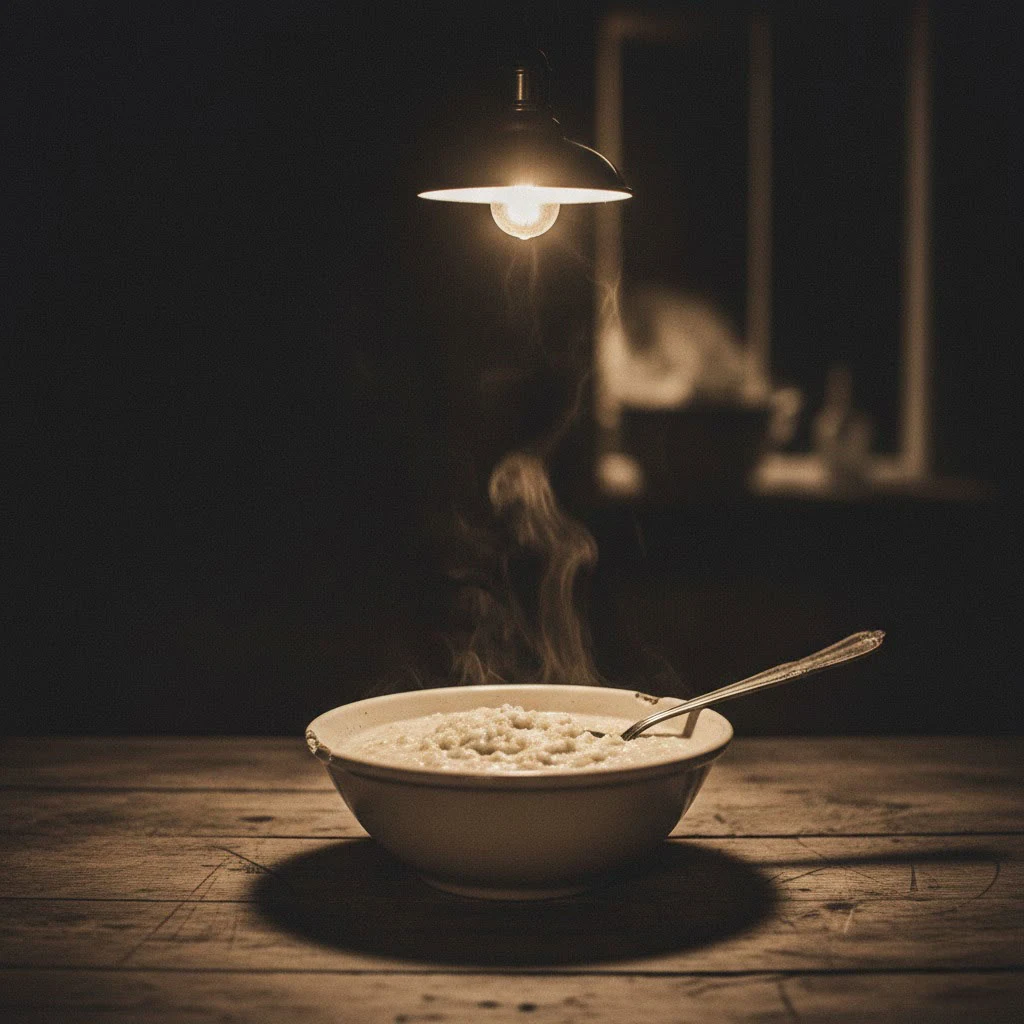
A successful meal was defined by nutrition and necessity, not by abundance. Cooking only what was needed kept effort and waste in check, recognizing that a meal did not always need multiple sides.
Sometimes a simple bowl of oatmeal or a light meal was enough to end the day without overspending. Abundance was not the goal; finishing what you made was the priority.
21. The 5:00 PM Transition

Dinner prep marked the ritual end of the workday, where the kitchen became the predictable center of the house. This consistency made the labor of cooking feel contained and purposeful rather than like an endless chore.
Gathering there for warmth and news updates on the radio made the preparation feel like a shared family activity. It was a window of time that brought everyone together before the day ended.
20. The Permanent Tin of “Liquid Gold” on the Stove
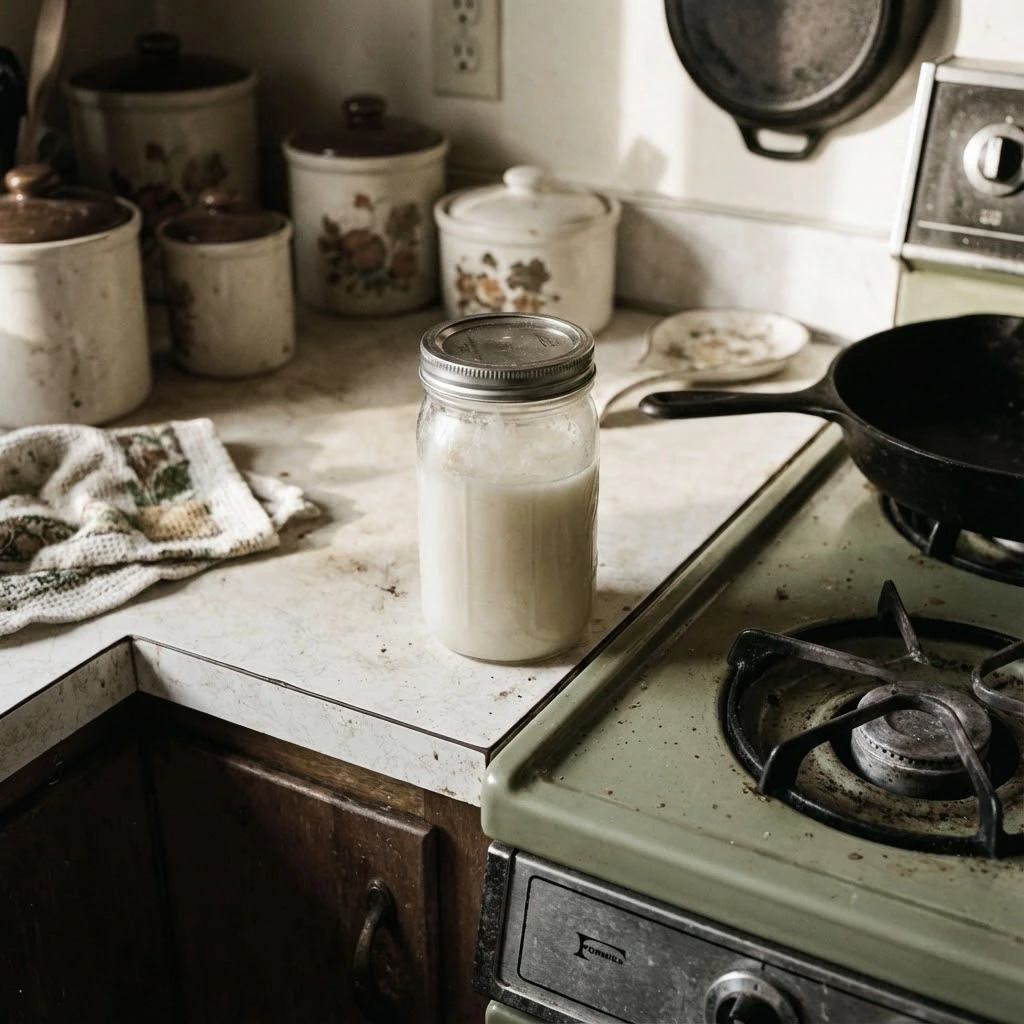
Before we bought expensive, single-use cooking oils in plastic bottles, every kitchen had a permanent metal tin sitting by the burner. Every drop of bacon grease or meat drippings was filtered and saved, treated as a precious resource rather than a waste product to be washed down the drain.
This “liquid gold” wasn’t just about saving money; it was the secret to the flavor of everything from fried potatoes to cast-iron cornbread. Discarding it would have been seen as throwing away a paid-for ingredient that still had work to do.
19. Cleaning as Part of Cooking

Waiting time while food simmered doubled as cleanup time, so the meal ended with a sink that was already empty. This “reset” was essential for those managing a “double shift” of work and household care.
The goal was to never let the kitchen work compound into tomorrow’s problem. By cleaning as you went, the evening transition was a quick habit rather than a massive burden.
18. Component Cooking Over “Meals”
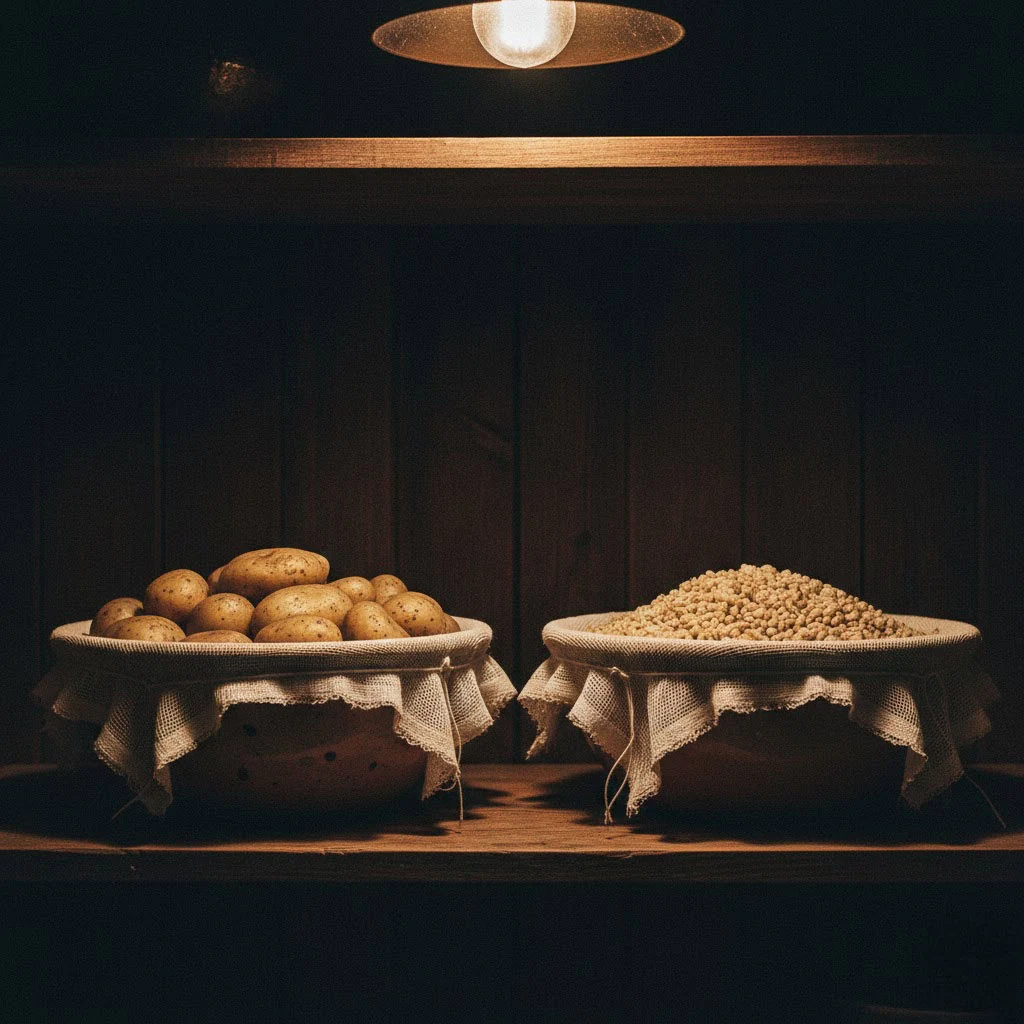
Ingredients like potatoes or grains were prepared to stay flexible across several dinners. This approach allowed for quick transformations without locking the cook into a rigid, time-consuming recipe every single night.
Preparing base components ahead of time made the rest of the week’s cooking faster and more manageable. It was an effective way to maintain variety without starting from scratch daily.
17. Avoiding Single-Purpose Kitchen Items
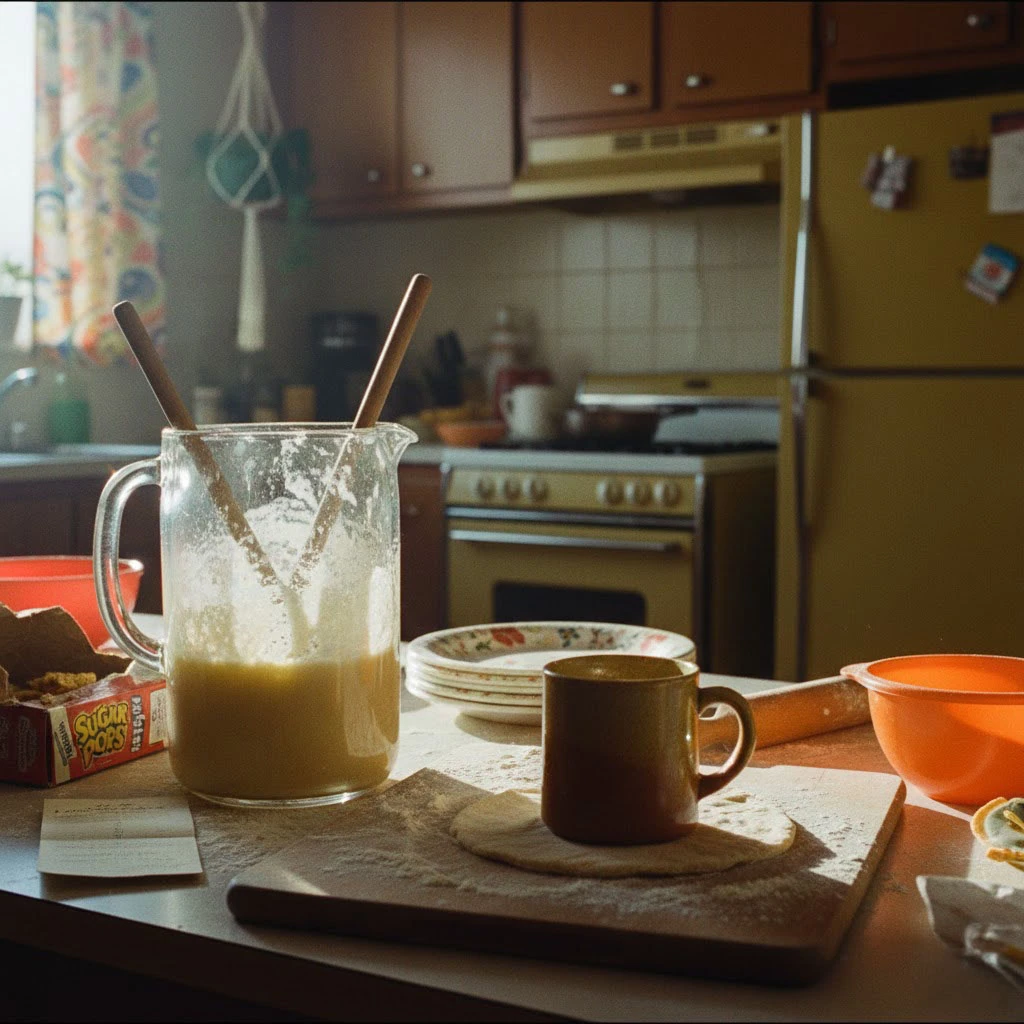
Every tool had to audition for its spot. If it only did one thing, it was out. We didn’t need a “garlic press” when a heavy knife did the job, and we certainly didn’t need a “batter dispenser” when an old glass milk pitcher worked better.
Space was tight, but resourcefulness was infinite, we bought the substance, then repurposed the vessel until it fell apart.
16. Using the Same Few Tools Every Day
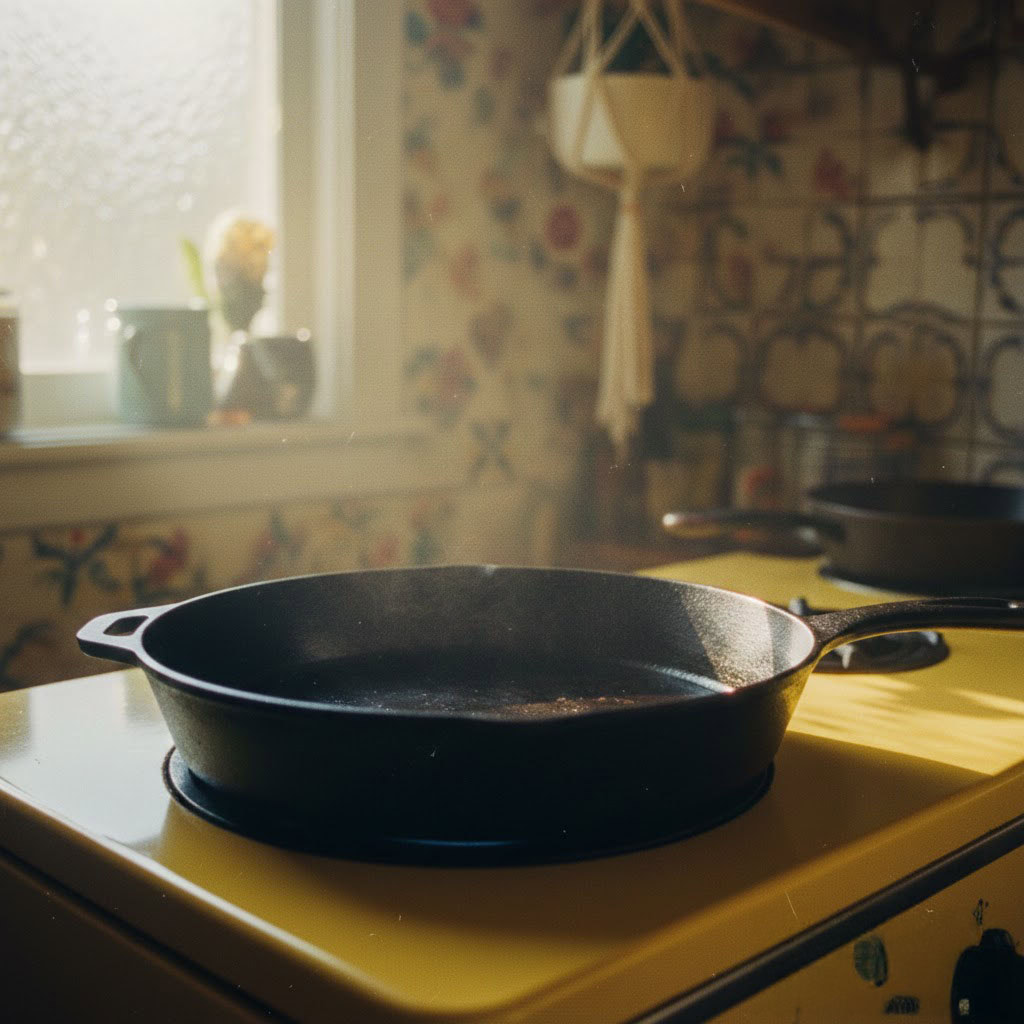
Familiarity replaced novelty. Most kitchens relied on a small set of trusted tools, a good knife, a heavy skillet, and little else. Instead of reaching for a different gadget every time, people used what they knew worked.
Cooking went faster when tools felt like an extension of the hand. High-quality basics were cared for, repaired, and used daily, which meant fewer frustrations, less clutter, and tools that lasted for decades.
15. Accepting Imperfect Food Without Question

A crooked carrot or a bruised apple was never rejected; appearance never determined usefulness. Food was valued for its nutrition and flavor, not its photo-ready appearance.
This mindset prevented perfectly good food from being tossed in the bin just because it didn’t look perfect. In the kitchen, everything was meant to be finished and nothing was wasted.
14. Using Stale Food on Purpose
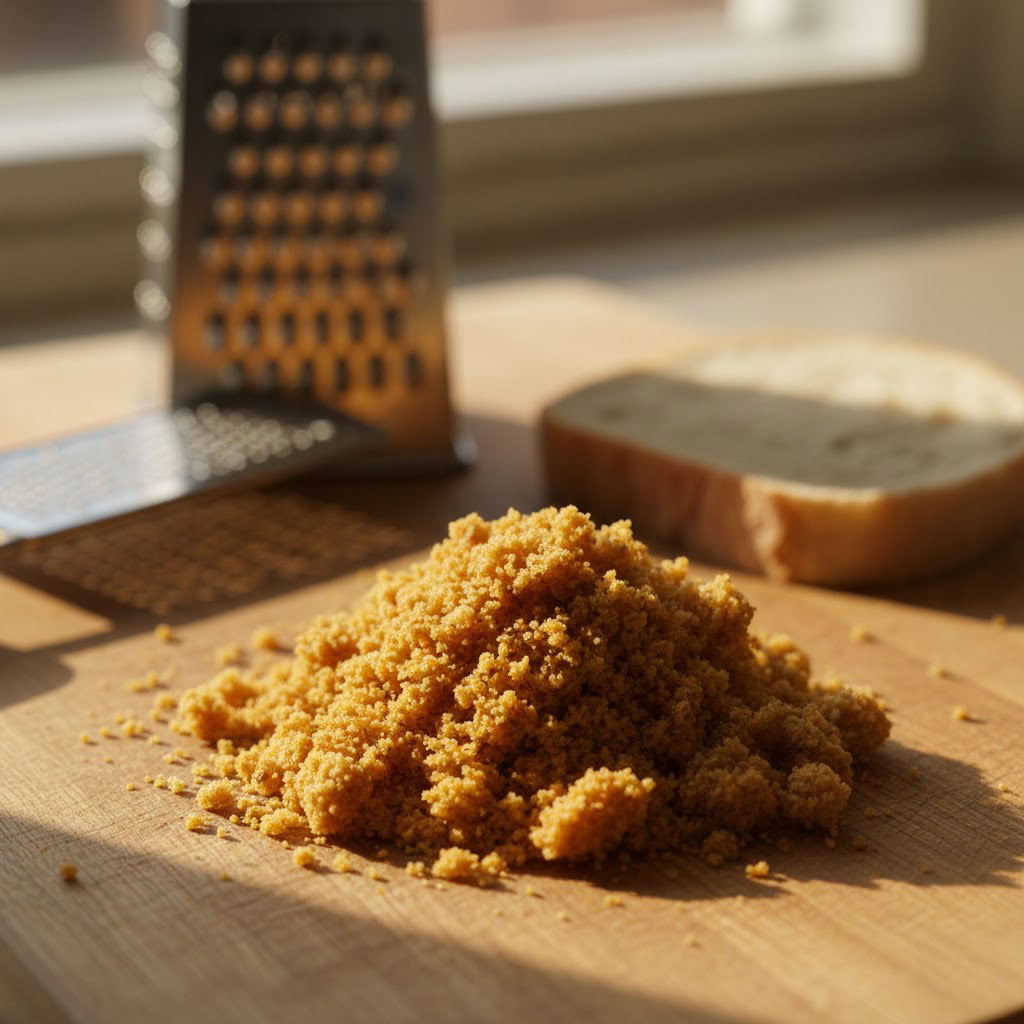
Bread that went stale was not thrown away. It was dried, toasted, or cooked again with intention.
Staleness was treated as a stage, not a failure. Using food through its full lifecycle stretched groceries further without buying replacements.
13. Meat-Optional, Not Meat-Centered Meals
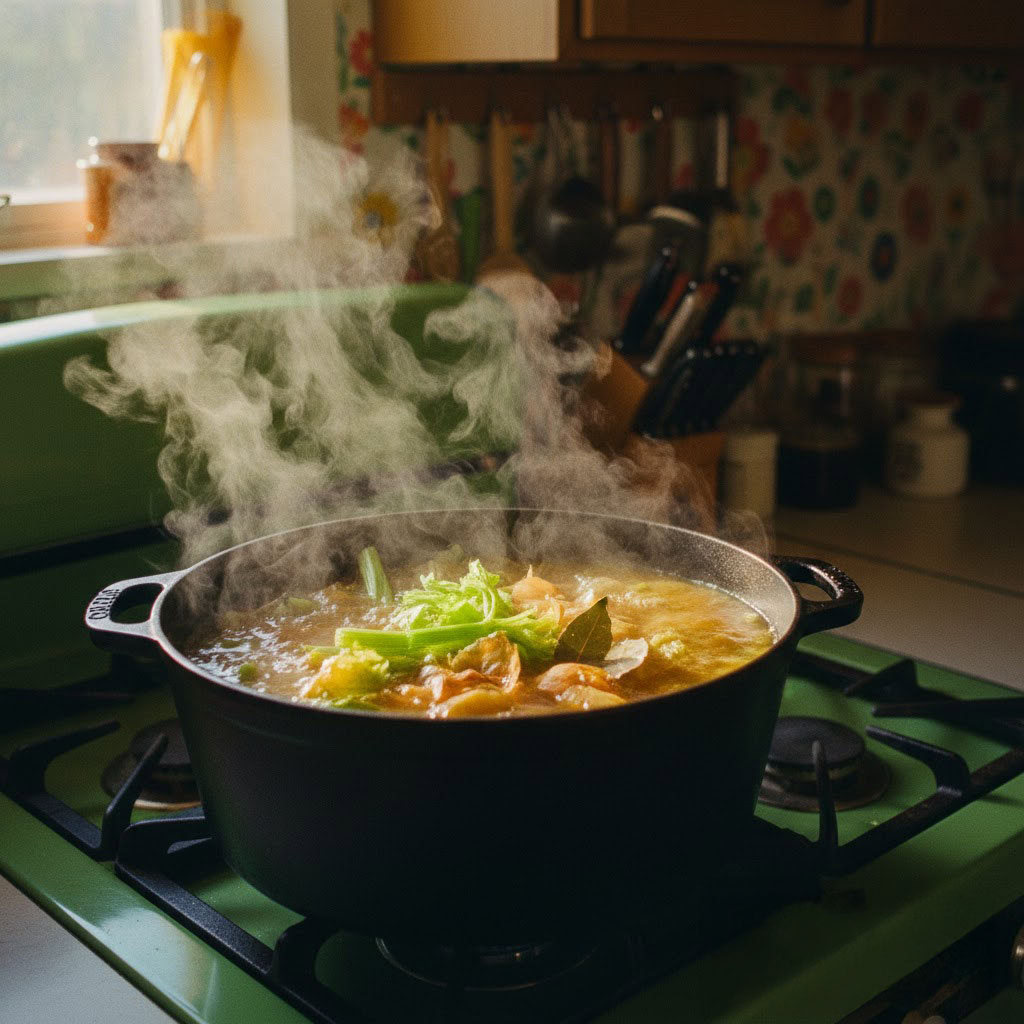
Dinner didn’t start with a cut of meat. Many meals were built around potatoes, beans, bread, or vegetables, with meat used sparingly for flavor rather than as the main attraction.
This wasn’t a statement about diet or restraint. It was a practical way to make expensive ingredients last longer while still serving filling, satisfying meals that felt complete.
12. The Rule About Stretching Ingredients Before Buying More
Families didn’t replace ingredients the moment they ran low. They stretched what they had, thinning sauces, extending fats, and making substitutions work before spending again.
Running out of something wasn’t an emergency. It was a signal to adapt, because buying more too early meant money tied up in a cupboard instead of food on the table.
11. Why Yesterday’s Dinner Never Looked the Same Twice
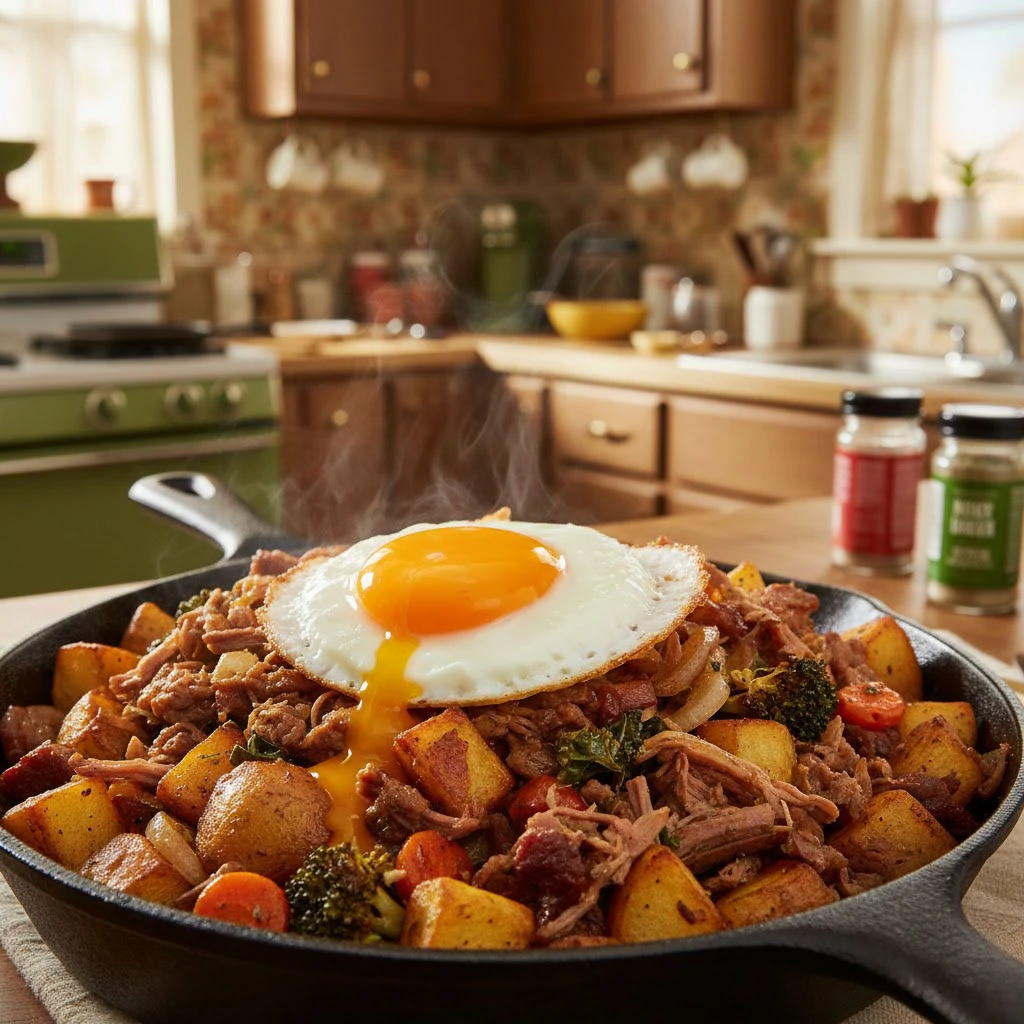
Cooks used the art of “transformation” to keep meals from becoming monotonous. One roast was strategically repurposed into several different forms, stretching ingredients without complaint.
Creativity was born from having no choice. It was a masterclass in efficiency that kept the budget in check while keeping the family fed.
10. The “Empty the Cabinet” Meal

Once a week, the pantry was exhausted of odds and ends before any new money was spent. This “Must Go” night forced creativity and prevented food from sitting forgotten on a shelf for years.
It was a way to ensure that nothing sat in the back of the cabinet until it was unusable. This habit made the kitchen run on routine rather than inspiration.
09. The Knife That Never Touched the Dishwasher
Longevity mattered more than convenience; essential tools were cared for by hand to last a lifetime. Hand-washing and proper maintenance ensured that high-quality items served a family for generations.
Furniture and tools were built of real wood and metal and intended to outlive the owner. Protecting “good” items was the only way to make them last years instead of months.
08. Leftovers Were Mandatory
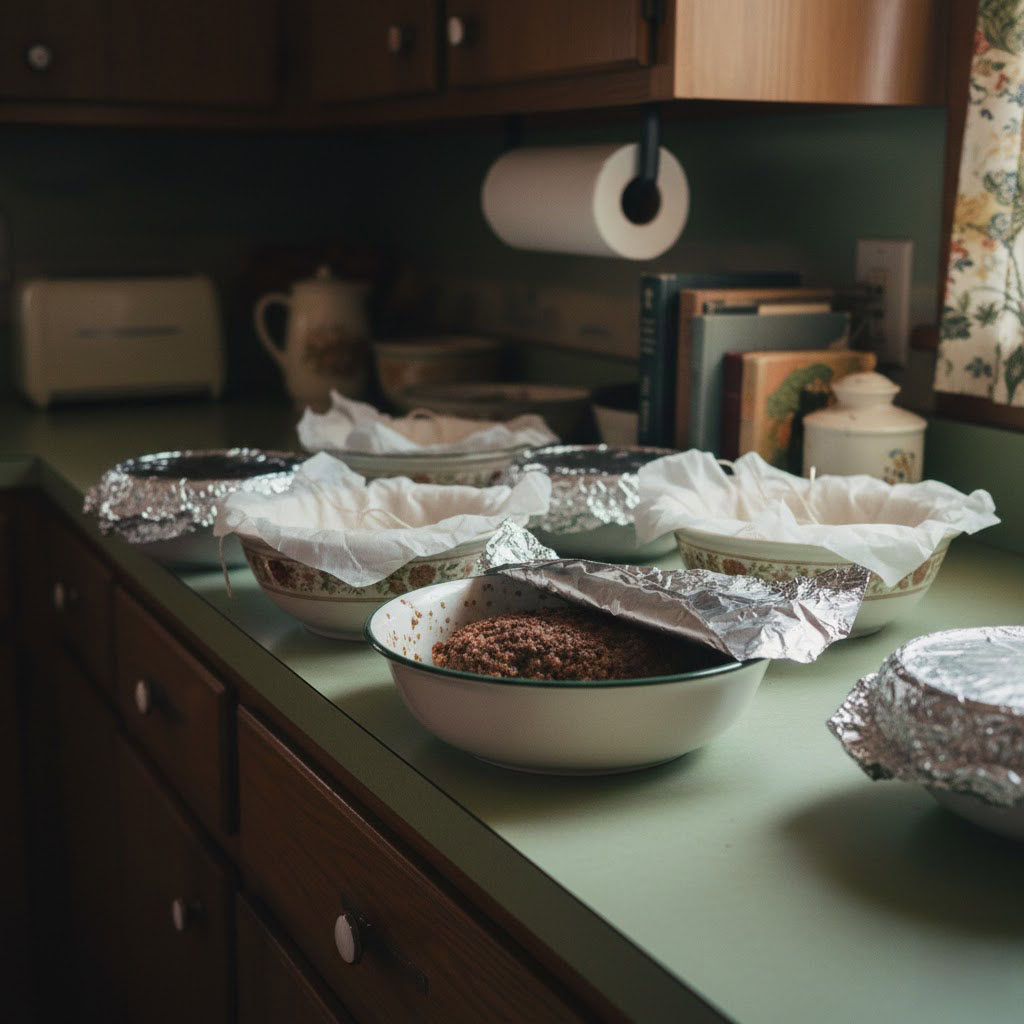
Leftovers weren’t a choice; they were “mandatory” and a respected part of the system. The refrigerator wasn’t a graveyard for good intentions; it was a staging ground for the next meal.
Throwing away food just because you “didn’t feel like it” was looked at as almost immoral. You paid for the food, so you used the food.
07. The One-Time Prep Rule
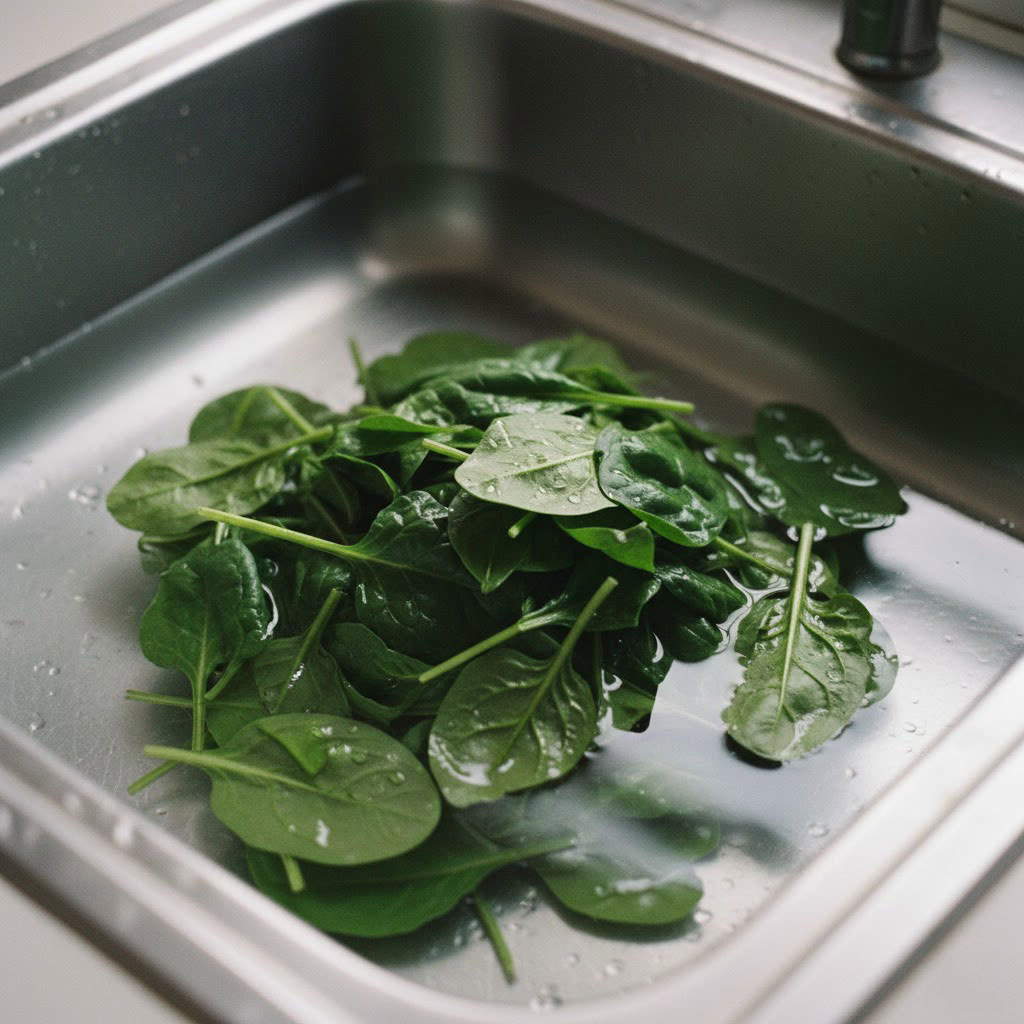
Produce was washed and trimmed the moment it arrived home from the garden or the store. Prepping immediately turned healthy food into the path of least resistance for the rest of the week.
This single step made cooking during the busy week faster and more efficient. It was a system that worked even on days when energy was low.
06. Simple Meals Were a Normal Part of Dinner
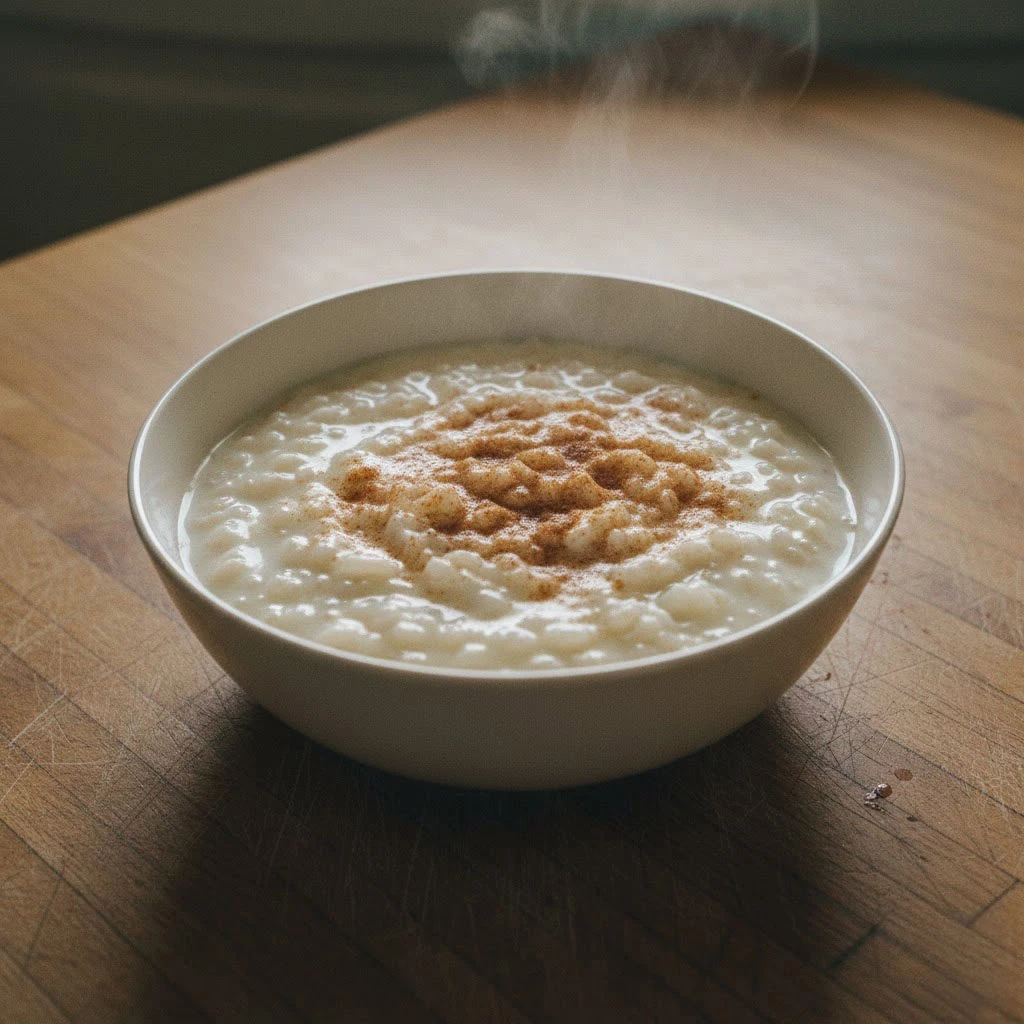
Meals didn’t always need structure, sides, or variety to feel complete. Soft, comforting dishes made from basic staples showed up regularly and were eaten without question.
Rice pudding was cooked in large pots, served warm, and devoured because it was filling and familiar. Foods like this matched the tastes of the time: mild, comforting, and dependable, turning a few pantry ingredients into something people genuinely wanted to eat.
05. Meat Never Went Into the Freezer in One Piece
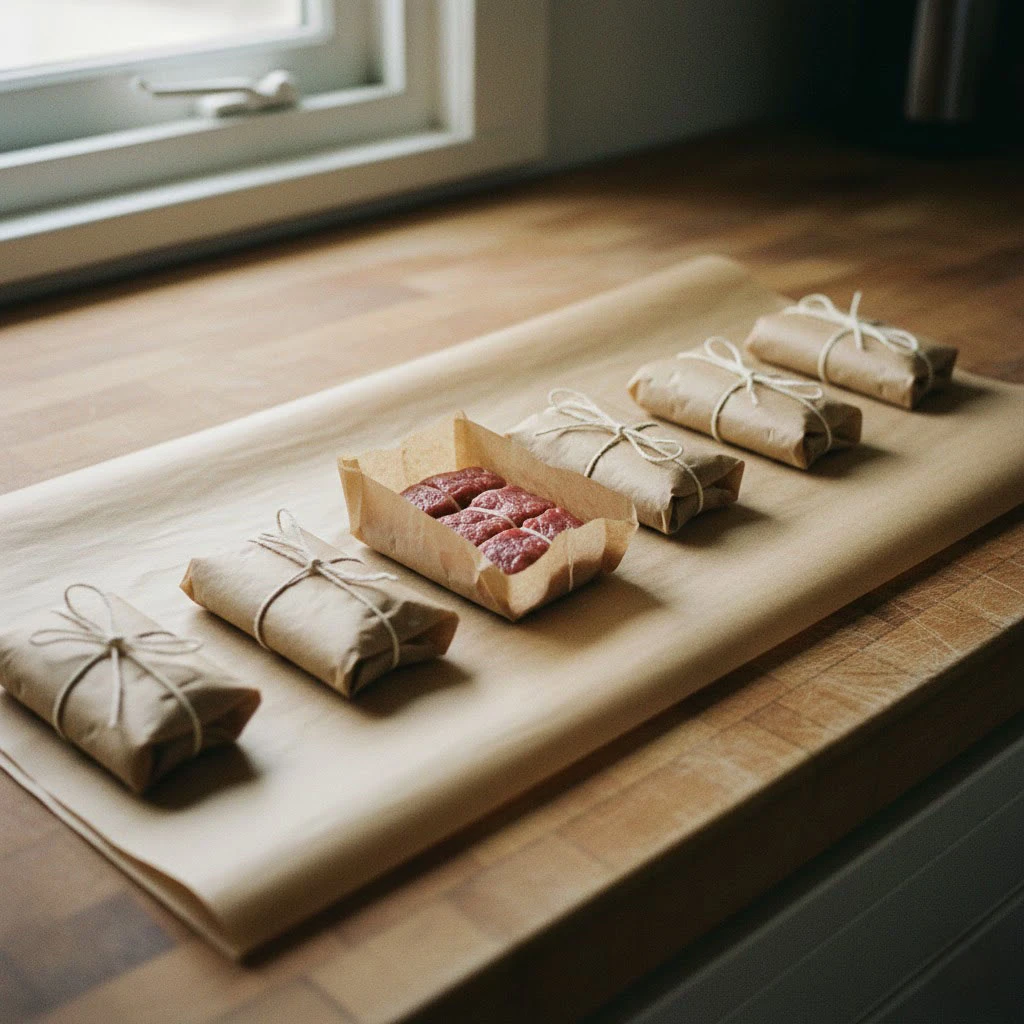
Meat was portioned into exact, meal-sized parcels the moment it came home. Freezing in bulk was seen as a mistake because it forced the cook to thaw and use more than was actually necessary for one meal.
This frontend effort saved massive amounts of time and energy later in the week. It was a small habit that made the whole kitchen run smoother.
04. The Mental Inventory Everyone Had
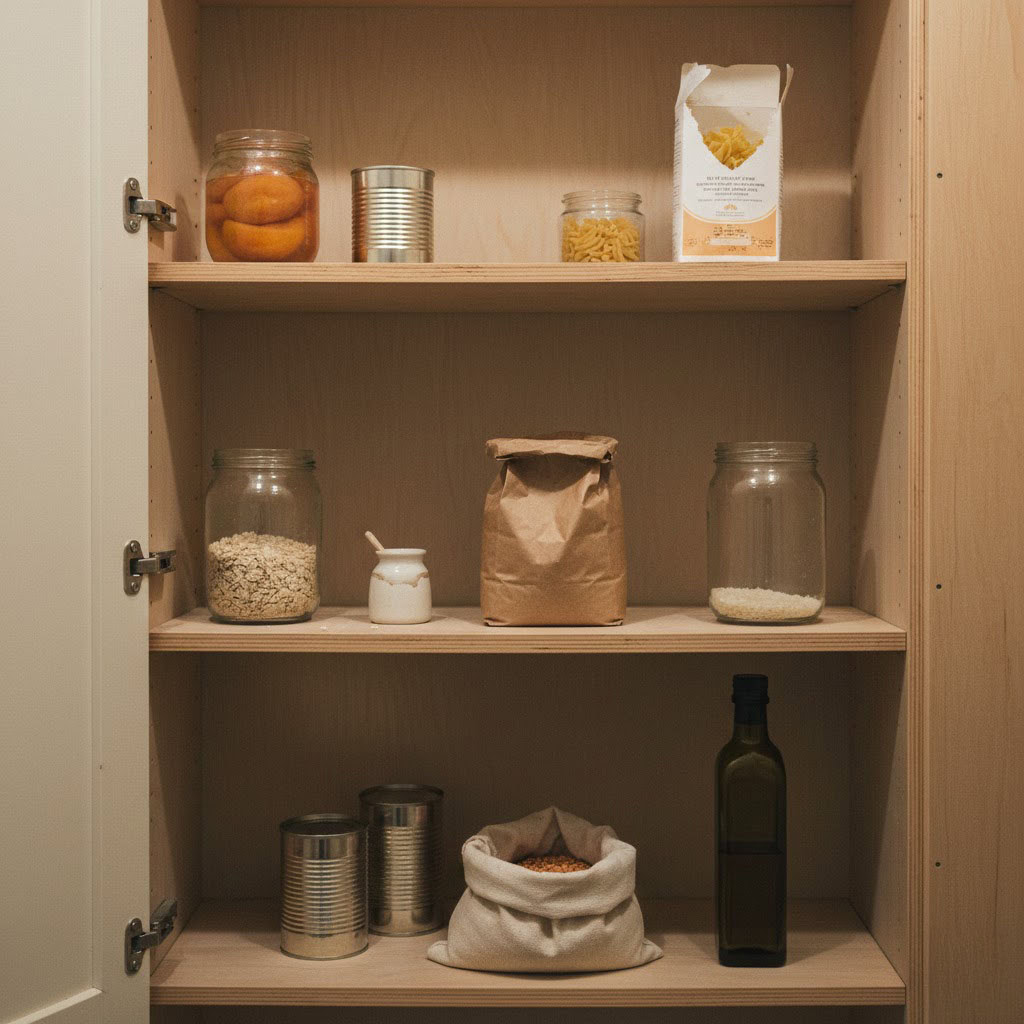
People used to know exactly what was in the house without ever needing to check a digital app. Awareness prevented waste and duplicates, allowing for efficient planning right from the grocery store aisle.
This “kitchen literacy” meant you could manage your resources with precision. It was a survival skill carved into identity by necessity.
03. The Week Didn’t Start Without a Menu
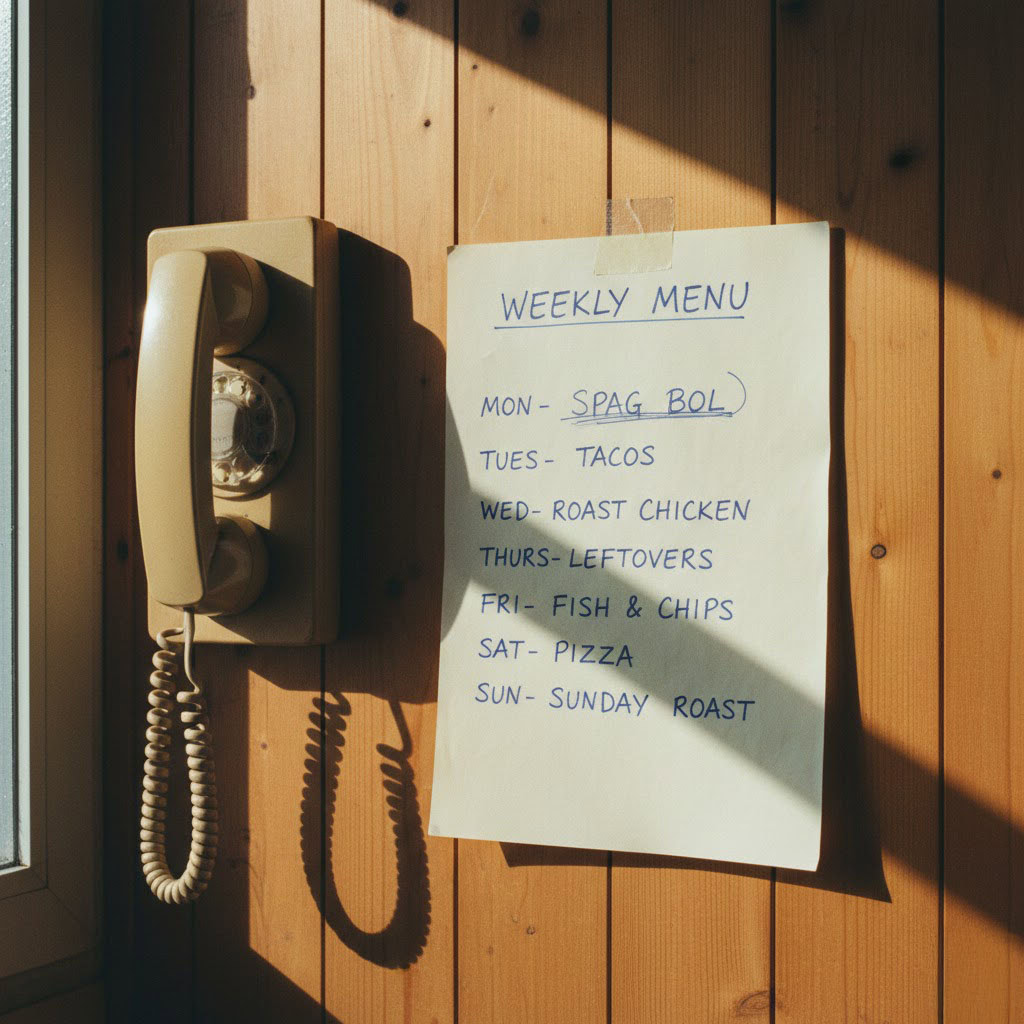
Following a predictable rhythm reduced stress and ensured not a single ingredient was wasted.
Decisions were made once per week rather than every night, a system that kept the household budget on track.
02. Dinner Started With the Oldest Ingredient
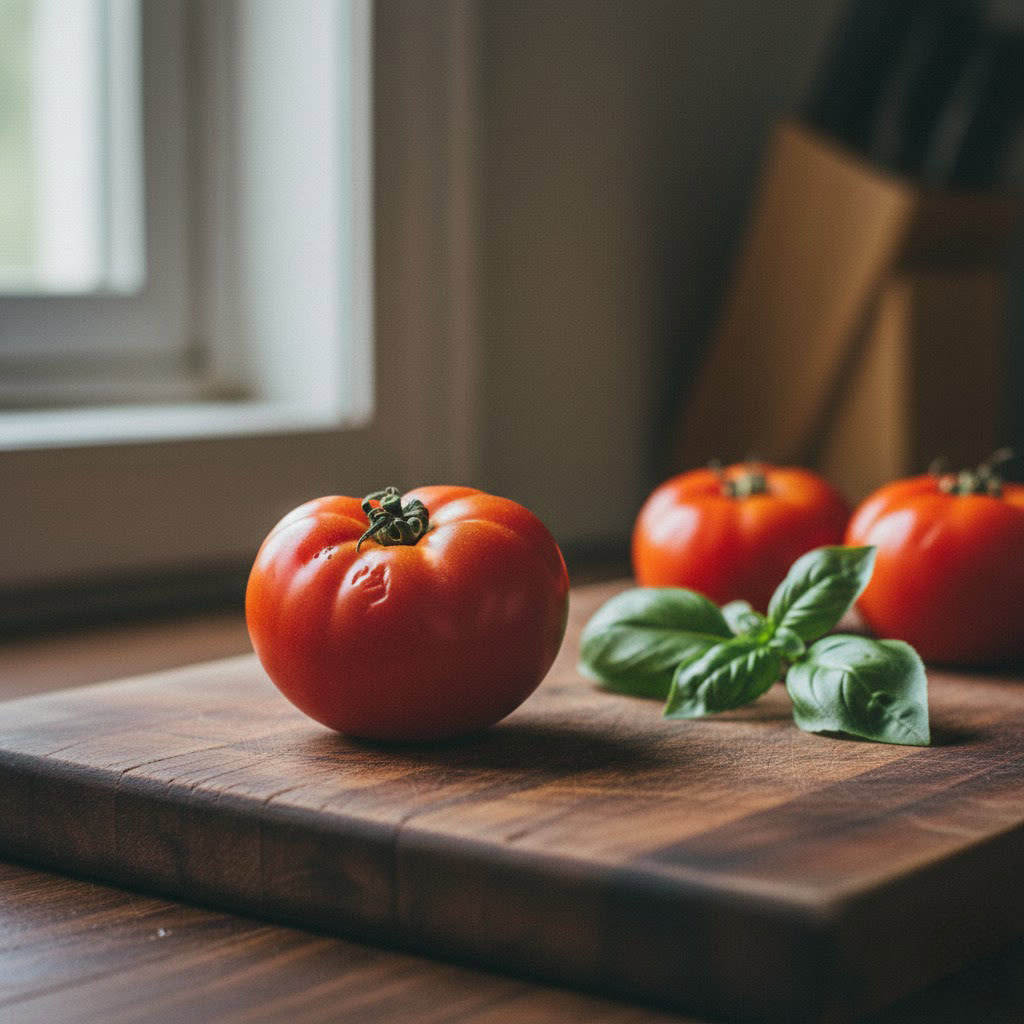
Meals were planned around what would spoil first, letting the fridge quietly dictate the menu. This prevented food from lingering unnoticed and kept the household budget tight.
The sniff test was the law, not the printed expiration date. If it smelled fine, it was fine—common sense beat a marketing label every time.
01. One Pot Was Expected to Do the Work
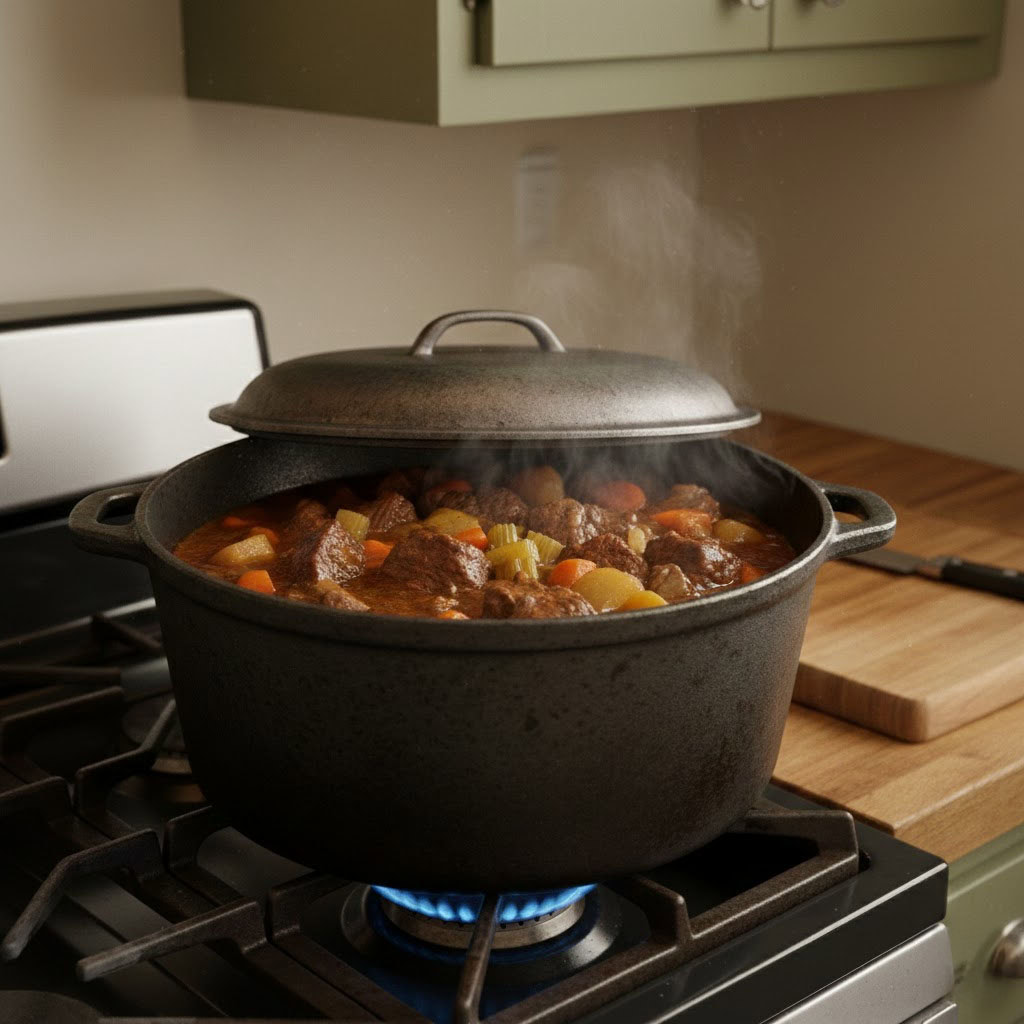
What we now call “one-pot meals” weren’t a concept or a fad. They were just how dinner was made. A single pot or pan handled the entire job, from browning to simmering, without generating a sink full of dishes.
Stews, soups, braises, and skillet meals weren’t chosen for convenience marketing reasons. They were practical, filling, and efficient. The idea that one pot could feed a family wasn’t rediscovered on social media, it never actually went away. It was simply how kitchens were expected to function.
Common Sense Was the Original Sustainability
None of these kitchen habits were designed to be virtuous. They existed because food was expensive, time was limited, and wasting either felt irresponsible. Kitchens ran on routines that worked day after day, whether anyone felt inspired or not.
Looking back, it’s clear that many of the habits we now label as “sustainable” were simply practical responses to reality. If this list felt familiar, it’s because these ideas didn’t disappear, they just moved out of sight. And if you’re curious how these same patterns showed up far beyond the kitchen, our article on the forgotten habits that saved families a fortune shows how frugality quietly shaped everyday life in ways we’re only now starting to rediscover.